Online Reporter
Raymond Jaravaza, [email protected]
INDEPENDENT colleges have been urged to fully embrace the Heritage-Based Curriculum (HBC) in line with a Government directive requiring all schools to adopt it as the core curriculum from next year.
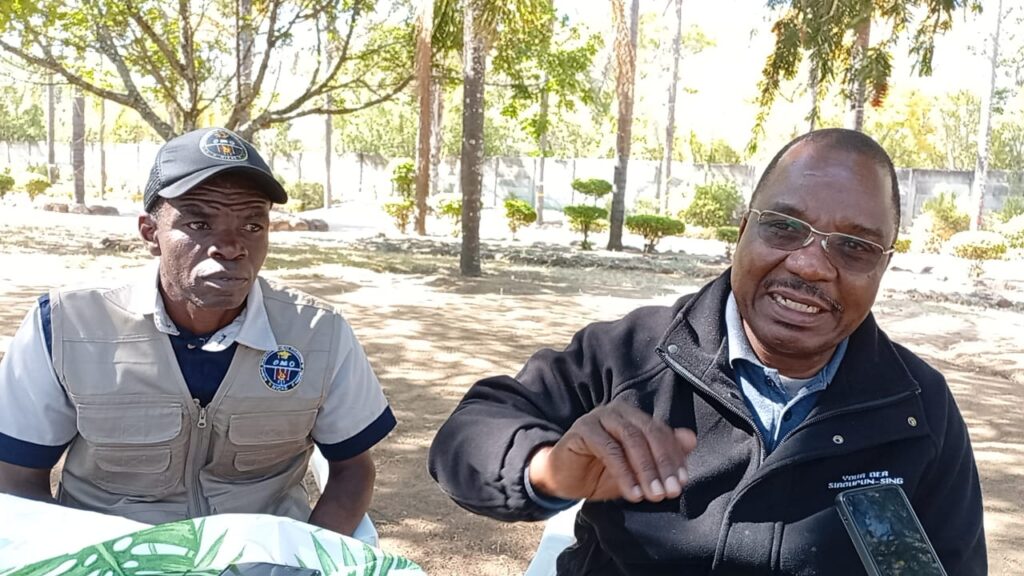
The call was made by National Independent Colleges Association of Zimbabwe (NICAZ) president Professor Washington Mahiya during a curriculum implementation workshop held in Bulawayo last week.
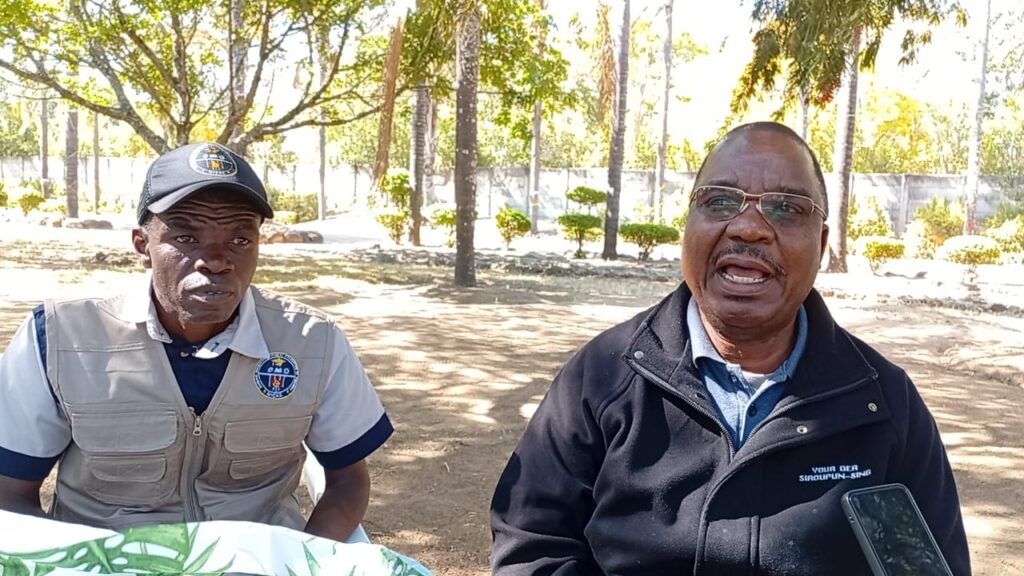
The workshop brought together representatives of independent colleges from across the southern region to map out strategies for the smooth adoption of the HBC, which places greater emphasis on Zimbabwe’s history, culture, indigenous knowledge systems, innovation and skills development.
The workshop follows a recent directive by Primary and Secondary Education Minister Torerai Moyo that all schools adopt the HBC as their primary syllabus from next year.
Foreign curricula, including the Cambridge International Education pathway, will only be offered as optional supplementary programmes subject to approval by the ministry.
The policy seeks to harmonise learning across the country while ensuring that all learners receive an education rooted in Zimbabwe’s heritage and aligned with the country’s Vision 2030 development agenda.
Presently, Zimbabwe operates three broad curriculum models. Government, local authority and mission schools predominantly offer the HBC, while some private and trust schools provide both the HBC and the Cambridge curriculum.
Prof Mahiya said independent colleges, as registered institutions operating under the Ministry of Primary and Secondary Education, had a responsibility to fully comply with the Government policy.
“Independent colleges operate under the regulatory framework of the Ministry of Primary and Secondary Education, which has mandated every school in the country to adopt the Heritage-Based Curriculum. This workshop in Bulawayo is setting the tone for the adaptation of the new curriculum by all our members,” he said.
“We recently held a similar workshop for independent colleges in the northern part of the country as we work towards reaching all our 3 600 registered members.”
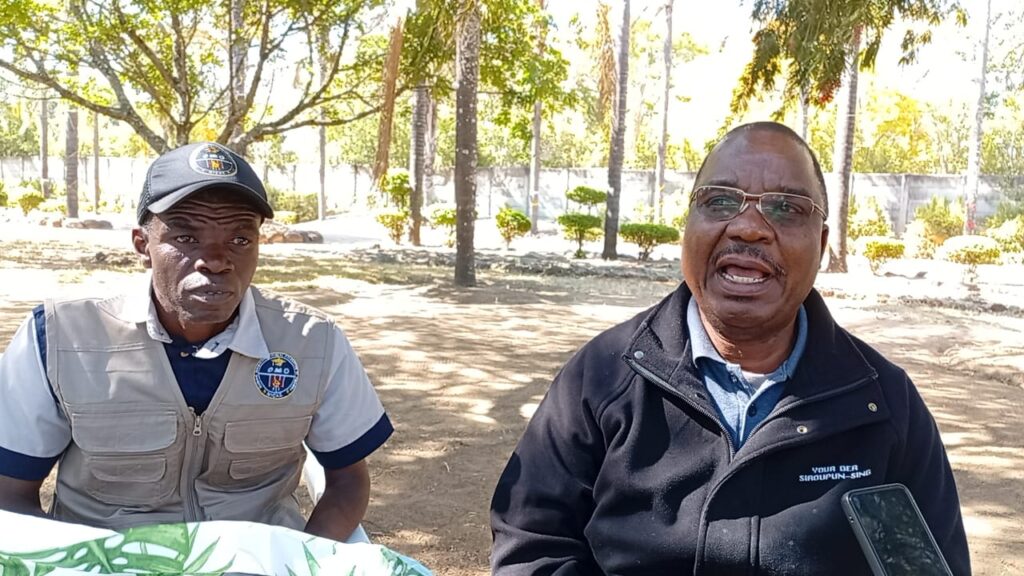
Prof Mahiya said independent colleges had evolved into reputable institutions offering quality education and should no longer be viewed merely as alternatives for learners who fail to secure places at Government schools.
“We do not discriminate against any learner because doing so would violate their constitutional right to education, regardless of the circumstances under which they may have been denied admission elsewhere,” said Prof Mahiya.
“When a learner is enrolled at one of our colleges, the emphasis is on discipline and adherence to the rules and regulations governing the school environment as prescribed by the Ministry of Primary and Secondary Education.”
Prof Mahiya said the adoption of the HBC will better equip learners with practical, entrepreneurial and problem-solving skills needed to drive national development.
Speaking on sports development, NICAZ vice-president responsible for sports and extra-curricular activities, Mr Leonard Ngwenya, said the association was encouraging colleges without adequate sporting infrastructure to partner local authorities and neighbouring schools to ensure learners participate fully in sporting activities.
“Some of our members face challenges with open spaces for sports and other extra-curricular activities, so they partner local authorities to use municipal facilities as well as community grounds,” he said.
“We also encourage our colleges to establish synergies with Government schools to enable them to use their sports facilities and compete in football, netball, basketball, athletics and other sporting disciplines.”
Mr Ngwenya said NICAZ was working closely with national sports associations to identify and nurture talented athletes.
“During our recent national ball games, we invited organisations such as the Zimbabwe Netball Association and the Zimbabwe Football Association to scout for talent so that gifted learners can be integrated into provincial and national teams,” he said.
“Our learners understand that sport is now a major economic sector and career path.
“The high level of competition displayed during our national ball games reflects the seriousness with which our colleges approach sport.”
The HBC, introduced as part of Government’s education reforms, seeks to produce graduates who are academically grounded while possessing practical, vocational and entrepreneurial skills that contribute to national industrialisation, innovation and socio-economic transformation which aligns with Vision 2030.