Chronicle Editor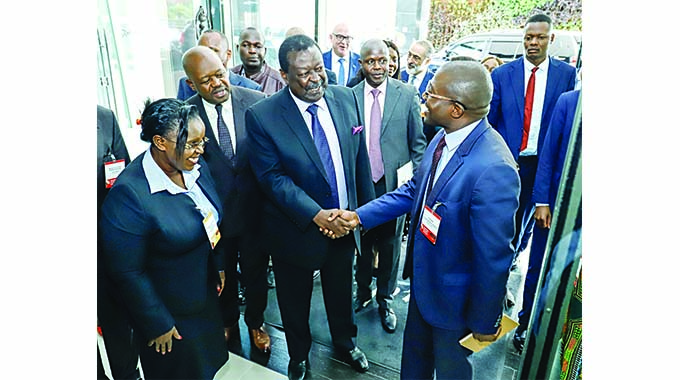
Business Writer
ENVIRONMENT, Climate, Tourism and Hospitality Industry Minister, Mangaliso Ndlovu, has stressed the need to embrace sustainable tourism business modelling, which blends environmental conservation and preservation of local cultures, as a long-term strategy to drive inclusive growth in emerging African markets.
In order to achieve this, and ensure the establishment of a diverse socio-economic environment, he said regional governments must play an active, if not dominant, role as facilitators and promoters of inclusive tourism development.
This entails the provision of a suitable socio-political and legal environment against which diverse stakeholders and private sector initiatives can take place, said the minister.
He was speaking at a panel discussion on “Collaborating for a Sustainable Future”, focusing on the role of government bodies in developing tourism regions during the Africa Hospitality Investment Forum (AHIF) in Nairobi, Kenya on Monday.
“It’s the role of the government to identify the positive impacts desired from tourism. Based on this, governments can make priorities specifically on how and what they want to achieve with the responsibility of looking out for the welfare of their communities, economy, and international relations,” said Minister Ndlovu.
He noted that the disruptive impact of the Covid-19 pandemic has created a historic opportunity to re-think tourism and “build forward better” based on lessons learned. “To anticipate and overcome new challenges and address changing consumer trends affecting the global tourism sector, it is prudent for governments to create favourable policies, which maximise the contribution of tourism in terms of economic growth, job creation, and sustainable development,” said Minister Ndlovu.
He articulated that Zimbabwe’s tourism drive is led by close collaboration between the Government, the private sector, and local communities.
Under the Second Republic led by President Mnangagwa, the Government has taken a keen interest to develop community-based tourism (CBTE) projects as a vehicle to alleviate poverty in rural and marginalised communities, he said.
This is in line with Sustainable Development Goal 1 (no to poverty), which has also seen Zimbabwe packaging communities through their history, tradition, daily life, arts and craft, flora and fauna, as unique selling points for tourism business purposes.
Minister Ndlovu was joined on the panel by Kenyan Minister of Tourism and Wildlife, Peninah Malonza, and the special advisor to the United Nations World Tourism Organisation (UNWTO), who is also managing director Middle East and Africa and South West Asia IHG Hotels and Resorts, Haitham Mattar.
Earlier on, Minister Ndlovu had attended the official opening of the AHIF by the Prime Cabinet Secretary who is responsible for all Cabinet Ministers in Kenya, Dr Musalia Mudavadi.
He delivered an inspiring call to action for the AHIF participants and he also advocated a holistic approach to hospitality.
Dr Mudavadi urged industry leaders to foster innovative solutions and partnerships for accelerated capacity growth across the continent with a focus on conservation.


 Online Reporter