Online Reporter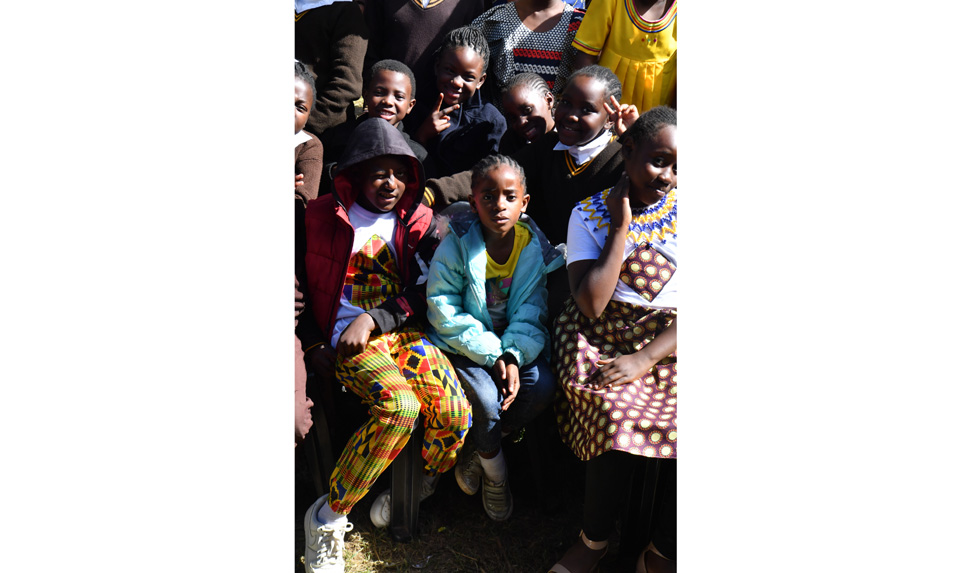
Tendai Gukutikwa
Post Reporter
THERE is something deeply poetic about a generation that is learning to celebrate its past in order to claim its future.
The African child is not merely a bearer of suffering or statistics — they are a song, a story, and collectively, a living memory that dances, learns, and thrives in the spirit of Ubuntu.
When a child recites their totem, they are not simply naming a clan — they are proclaiming their place in the world.
This profound way of thinking came alive on Monday when children from schools across the city gathered at Chancellor Junior School, dressed in vibrant African attire.
Their faces radiated pride as they introduced themselves, not only by name, but also by totem.
Each time a different totem was called, a corresponding group of learners would erupt in joyful pride.
The roll call of totems was a celebratory chant: “Shumba” (lion), “Mheta” (python), “Soko” (monkey), “Mbizi” (zebra), and finally, “Mhofu” (eland), which prompted the young Mhofus and Chiheras to scream with pride.
They were showcasing their pride in heritage, culture, and the invisible threads that tie African children to their ancestors, to each other, and to the land beneath their feet.
This celebration was made possible through the International Day of the African Child Commemorations, which has evolved from a remembrance of struggle into a jubilant celebration of pride.
Observed annually on June 16, the International Day of the African Child commemorates the 1976 Soweto Uprising in South Africa, when thousands of African learners rose up against the oppressive apartheid education system.
However, beyond its history of resistance, the day has evolved into a call to action, urging individuals to nurture and empower every African child.
This year in Manicaland, the commemorations went beyond amplifying children’s voices, also grounding those voices in Ubuntu, the philosophy that ‘I am because we are.’
Few are championing this idea as fervently as Ms Tendai Linette Mudehwe, affectionately known as Muzvare Mudehwe, founder of African Identity Advocates.
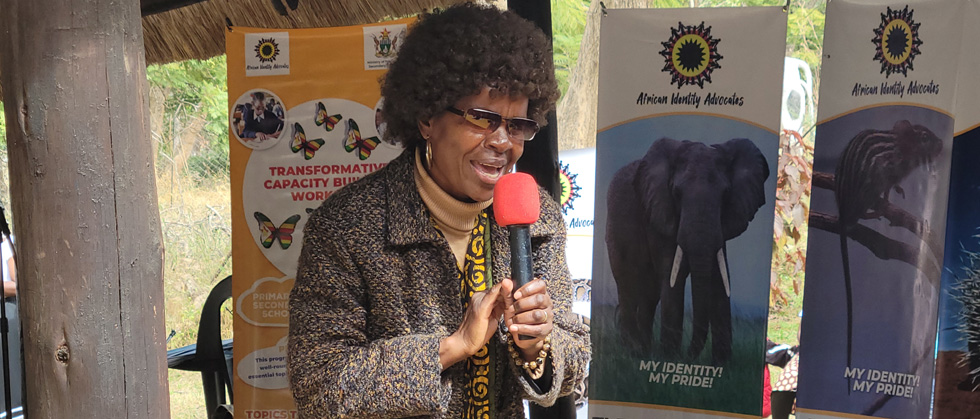
“We are reclaiming our identity,” she said passionately in an interview on Monday on the sidelines of the commemorations, as learners held up portraits of their totems.
“When a child knows their totem, and those of their mothers and fathers, they begin to realise that we are one people. That knowledge binds us,” she said.
Ms Mudehwe’s organisation operates under the African Bantu Spirituality Advocates (ABSA), and works in partnership with the Ministry of Primary and Secondary Education to integrate cultural pride into the school system.
She explained that through initiatives like African Identity festivals, children engage with their heritage in tangible ways, such as posing with totem trophies, reciting totemic poetry, and listening to traditional storytelling.
“We use the concept of totems because it offers more than just a family name – it offers a map. It shows a child where they come from, the gifts they may have inherited, and even the roles they are meant to play in life. This is not just cultural preservation – it is spiritual navigation,” said Ms Mudehwe.
For 11-year-old Abigail Mavhunga, from Dangamvura, that navigation is already shaping her dreams.
“I am a Chihera. We are known for wisdom and leadership. I want to be a lawyer one day. Knowing my totem reminds me that I have a responsibility to speak the truth and help others,” she said proudly, her words, though spoken with youthful innocence, were heavy with self-awareness.
Deliah Zinyama, from Chikanga added: “Mine is Nzou, the elephant. Elephants are brave, and I am no longer afraid to stand up in class or perform on stage. I used to be shy, but learning about my totem gave me the confidence to believe in my own strength.”
Another learner, nine-year-old Rutendo Mudiwa, said she had only recently discovered her totem thanks to the festival at her school.
“Now I know I am a lioness, and our people are known for their strength and resilience. It fills me with pride to be African. I have even taught my little brother at home,” she said.
The Heritage-Based Curriculum, introduced by the Ministry of Primary and Secondary Education, supports this kind of learning.
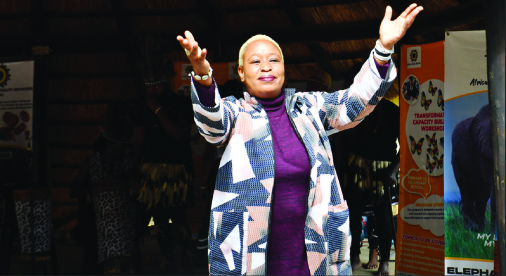
It moves beyond academics to focus on identity, practical skills, and community-building, with an education rooted in the values of Ubuntu.
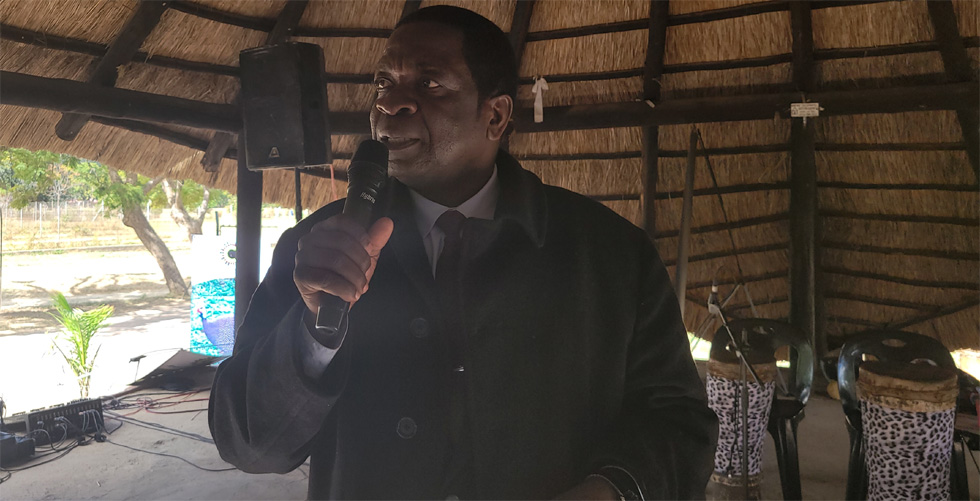
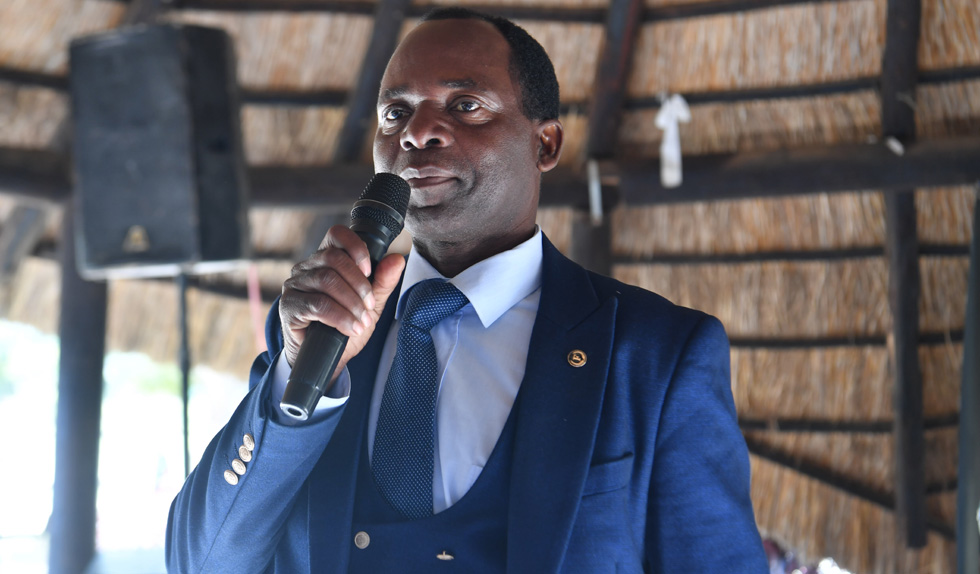
Manicaland Provincial Education Director (PED), Mr Richard Gabaza echoed this sentiment in his speech during the commemorations on Monday.
“The Second Republic, under President Mnangagwa’s leadership, takes the future of Zimbabwean children seriously. The Heritage-Based Curriculum ensures every child has the opportunity to succeed in their chosen discipline, leaving no one and no place behind. Being proud of our identity is crucial to nation-building, as a nation is built by its people,” Mr Gabaza said.
He also acknowledged the importance of using indigenous languages as languages of instruction in schools, allowing children to learn in a language that resonates with their identity.
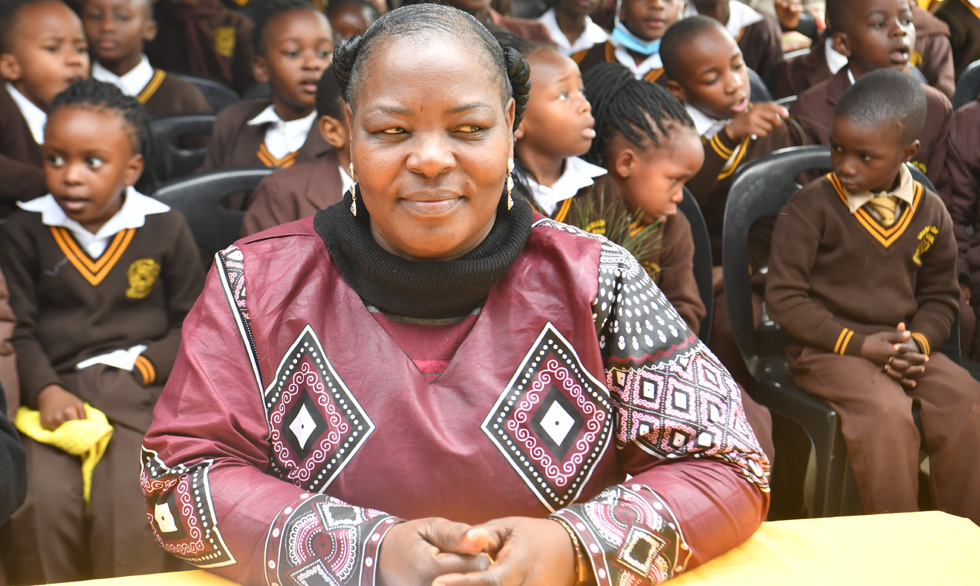
Mr Gabaza commended organisations like African Identity Advocates for their active support of the Heritage-Based Curriculum through arts and cultural programming.
However, the true testament to the power of such initiatives lies in the eyes of children who, for the first time, see themselves reflected in their learning.
Ms Mudehwe said they are taking such festivals to every district in Manicaland and beyond.
“As our President says, ‘leaving no one behind.’ If we want children to stand tall, we must show them their roots. That is where true strength lies, and we want every child in every corner of Manicaland to know their roots, their identity, and who they are,” she said.
Ms Mudehwe also spoke about other programmes under her organisation, such as African Guidance and Counselling, which challenges Western-centric approaches to child development.
“We have our own African ways of helping our children cope, grow, and find themselves,” she said.