Rutendo Nyeve
EMPLOYERS have been urged to make worker safety a priority by modelling safe behaviour, providing adequate resources and ensuring production targets never take precedence over human lives.

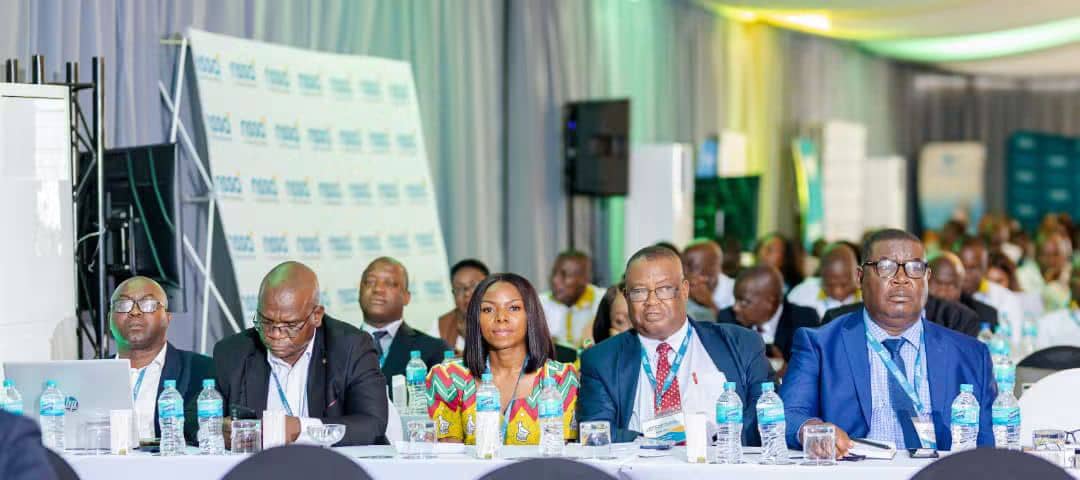
The call was made at the 63rd Safety and Health at Work (SHAW) Conference, hosted by the National Social Security Authority (NSSA) in Victoria Falls.
Speaking at the end of the three-day conference on Saturday, NSSA Director of Occupational Safety and Health Dr Betty Nyereyegona said achieving Vision Zero required a shared commitment from all stakeholders.
The conference was held under the theme “Vision Zero: Safety, Health and Wellbeing”.
Dr Nyereyegona said the gathering had provided an opportunity for stakeholders to exchange ideas and learn about ways to improve workplace safety.
“Before our three-day workshop, the 63rd National Conference on Safety and Health, which we dubbed the Safety and Health at Work Conference (SHAW) for 2026 under the theme Vision Zero, Safety, Health and Wellbeing, we are happy we came, we sat, we listened, we had a little bit of fun, we had time to interact and time to learn as we all look at our biggest mandate, which is to look after the workers within Zimbabwe,” she said.
She said Government, employers, employees and regulators all had important roles to play in preventing workplace accidents, injuries and occupational diseases.
“All parties are important, as was demonstrated during our ceremony, where Government, employers, employees, and regulators all have a very important role in preventing workplace accidents, injuries, and occupational diseases.
“The second takeaway is that leadership shapes safety culture. Leaders must model safety behaviour, provide adequate resources and ensure that production targets never precede over human lives. We are losing too many lives due to the workplaces. Prevention comes before reaction,” she said.
Dr Nyereyegona said the fundamentals of occupational safety and health remained relevant, with workplaces expected to identify hazards, assess risks, report near misses, investigate incidents and ensure corrective action was taken.
“Identify hazards, assess risks, repeat near misses, investigate incidents and follow corrective actions through to completion. So you see occupational safety and health 101 still works in this day’s workplace,” she said.
She also called for stronger legislation to improve worker protection, saying the proposed Occupational Safety and Health (OSH) Bill would strengthen worker participation, risk assessment and reporting.
“Legislation must be implemented. The proposed OSH bill highlights the importance of stronger worker participation, risk assessment, reporting and participation by everyone. We are looking forward to the new legislation, which we have been waiting for for a very long time and this should change the landscape of OSH in Zimbabwe,” she said.
Dr Nyereyegona said mental health was an integral part of workplace safety, urging employers to address psychosocial risks and strengthen their capacity to support workers.
She also called for reliable data to improve accountability and encouraged employees to raise safety concerns and participate in discussions aimed at improving working conditions.
“We need to encourage workers to raise concerns, join safety discussions and help in developing practical workplace improvements,” she said.
Dr Nyereyegona urged stakeholders to turn commitments made at the conference into measurable action plans supported by clear responsibilities, adequate budgets, targets and regular monitoring.
“We should translate lessons to programmes with clear responsibilities, adequate budgets, targets and regular monitoring. Awareness activities alone are not enough,” she said.
The conference ended on Saturday with a renewed focus on preventing workplace accidents and occupational diseases, strengthening accountability and ensuring that the protection of workers remains central to industrial and commercial activities.