Online Reporter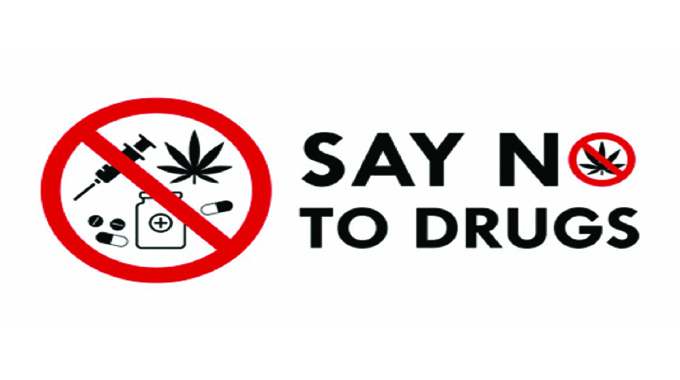
Richard Muponde
Zimpapers Politics Hub
PRESIDENT Mnangagwa’s declaration of war on drug abuse as a fight for the “Soul of Our Nation” has underscored the gravity of the situation in Zimbabwe.
The statistics are alarming, with approximately 533 334 individuals nationwide affected by drug abuse and 60 percent of institutionalised patients struggling with drug-related challenges.
While the Government has been commended for its efforts, which include awareness campaigns, rehabilitation centres, and law enforcement, many individuals discharged from rehabilitation centres return to their previous conditions, leading to relapse.
To address this challenge, creating a “Drug Abuse Victims Empowerment Fund” could be a crucial strategy.
This fund would empower rehabilitated victims to find alternative ventures and move away from the conditions that entice them to revert to old practices.
By providing economic support and opportunities, the fund could help reduce relapse rates and promote sustainable recovery.
For instance, empowering victims to start their own businesses or acquire vocational skills could enable them to reintegrate into society productively.
Global examples demonstrate the effectiveness of empowerment programmes in combating drug abuse. In countries like Portugal, where drug addiction is treated as a health issue, rehabilitation and reintegration programmes have shown promising results.
Similarly, in Switzerland, heroin-assisted treatment programmes have helped reduce addiction rates and improve the overall well-being of users. In Zimbabwe, such an empowerment fund would be instrumental in the country’s battle against the scourge of drug and substance abuse.
By allocating resources to support vocational training, business start-ups, and education, the Government can equip rehabilitated individuals with the tools they need to rebuild their lives.
This approach would not only benefit individuals but also contribute to the nation’s economic growth and stability.
President Mnangagwa’s administration has made significant strides in fighting drug and substance abuse, including the establishment of the National Committee on Drug and Substance Abuse, which oversees a whole-of-government approach.
Additionally, 67 treatment and rehabilitation centres have been identified across the country, with three already operational.
The Government has also allocated ZiG865 million in the 2025 national budget to support the Drug and Substance Abuse Programme.
To further support this effort, Zimbabwe can explore various programmes to empower individuals discharged from rehabilitation centres, such as providing skills training in areas like carpentry, tailoring, or agriculture.
Supporting start-up businesses and providing mentorship can also help rehabilitated individuals become entrepreneurs and conducting workshops and seminars on the dangers of drug abuse can help prevent relapse and promote a culture of recovery.
As President Mnangagwa aptly put it, “This is not a ‘feel good exercise’; it is a fight for the future of our young people.”
The fight against drug and substance abuse requires a collective effort, and empowering rehabilitated victims is crucial to winning this battle. By working together and providing support, Zimbabweans can overcome this challenge and build a brighter future for themselves and their nation.
Creating a dedicated Drug Abuse Victims Empowerment Fund is essential to empowering rehabilitated individuals and reducing relapse rates.
As President Mnangagwa urged, “Let us exercise positive parenting skills in the upbringing of our children. It is incumbent upon everyone to fight against this hazard that has raised its ugly head against our societal norms. Hunhu/Ubuntu.”