Online Reporter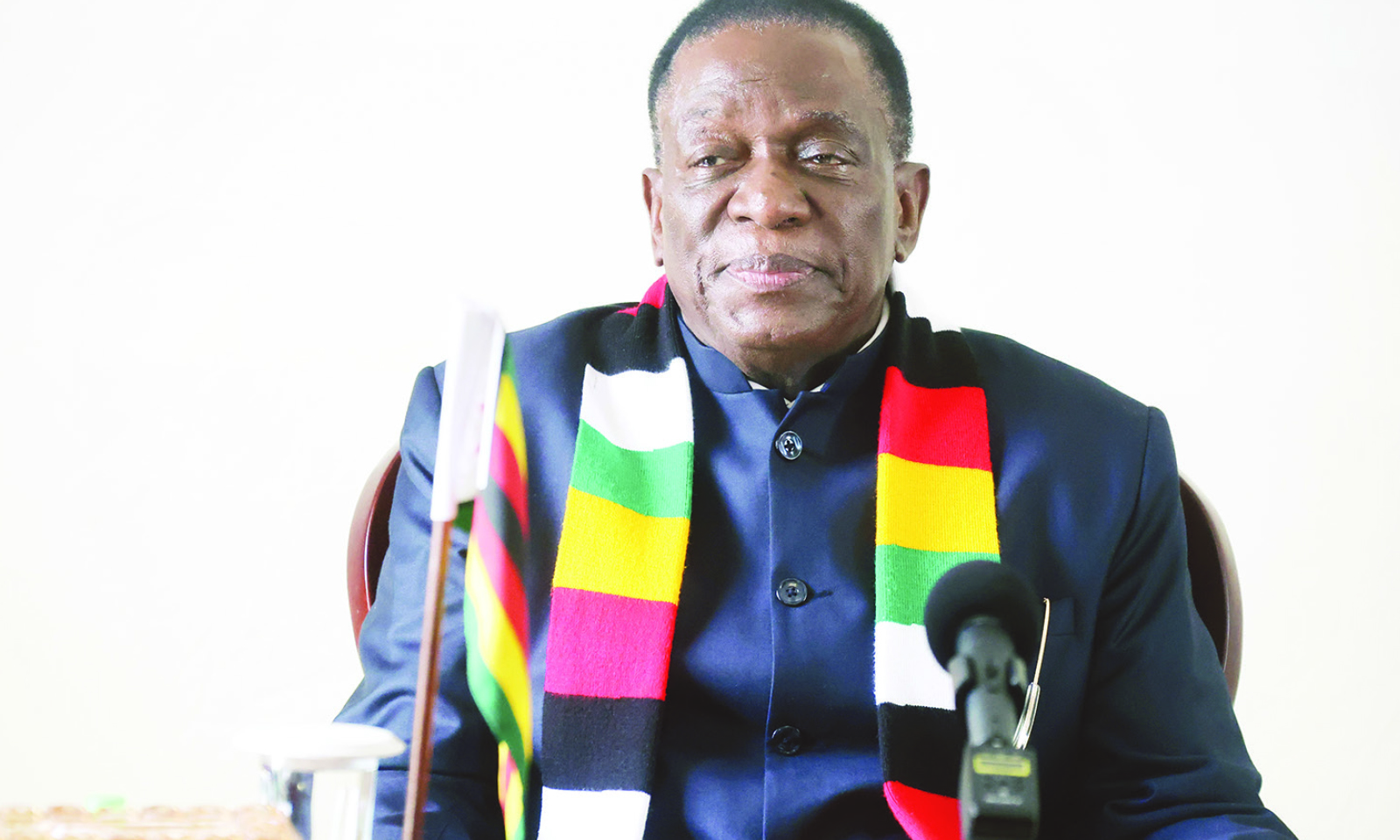
Tadiwa Vickie-Ann Mtawarira and Jacqueline Magwaza
In a nation where nearly 62 percent of the population is under the age of 30, Zimbabwean youths are stepping up to claim their place in the leadership landscape.
Due to economic challenges mainly as a result of illegal sanctions on the country, not many youths have found employment in the formal sector and this has led to the increase in drug abuse and high crime rate.
Many young people have however found themselves resorting to informal work, which offers little security and limited opportunities for growth.
Recognising these challenges, Government has initiated partnerships with communities to take actionable steps through innovative initiatives aimed at driving change.
The recent National Youth Day theme, “Empower Youth, Secure the Future,” emphasises the importance of empowering a young population capable of shaping their own futures.
During the National Youth Day celebrations, President Mnangagwa highlighted that a nation investing in its youth is assured of a prosperous future.
He called on Government ministries, the private sector, and development partners to collaborate in empowering the youth, underscoring the significance of this generation.
The President also stressed the need to reshape the future of Zimbabwean youth by launching transformative initiatives such as the Digital Skills Development Programme, which aims to enhance digital literacy and skills.
This initiative is expected to positively impact the economy by targeting 1.5 million youths through entrepreneurship.
In line with this theme, various organisations and initiatives have emerged across the country, equipping young people with the skills, knowledge, and resources necessary to become effective leaders.
These initiatives span a wide range of sectors, including advocacy, education, mental health, entrepreneurship, and social activism.
Several organisations are actively working to empower Zimbabwean youth, focusing on building an equitable and inclusive society by fostering youth-led advocacy related to children’s rights, disability rights, education, justice, and peaceful community engagement.
Grassroots organisations also deserve recognition for their significant impact, offering mentorship programmes and support networks for at-risk youth, fostering resilience and social responsibility while guiding young people away from negative influences.
To support and empower youth effectively, robust and complementary strategies must be scaled up.
Empowering young people not only ensures their participation in shaping the policies that affect their lives but also harnesses their energy and creativity to drive national progress.
The call to “Empower Youth, Secure the Future” is more than just a theme; it is a guiding principle for change.
“By harnessing the potential of Zimbabwe’s youth, the country can pave the way for a new era of leadership that prioritizes progress, democracy, inclusivity, and social justice.
Tadiwa Vickie-Ann Mtawarira and Jacqueline Magwaza are final-year students at Africa University in the Department of International Relations and Diplomacy.