Online Reporter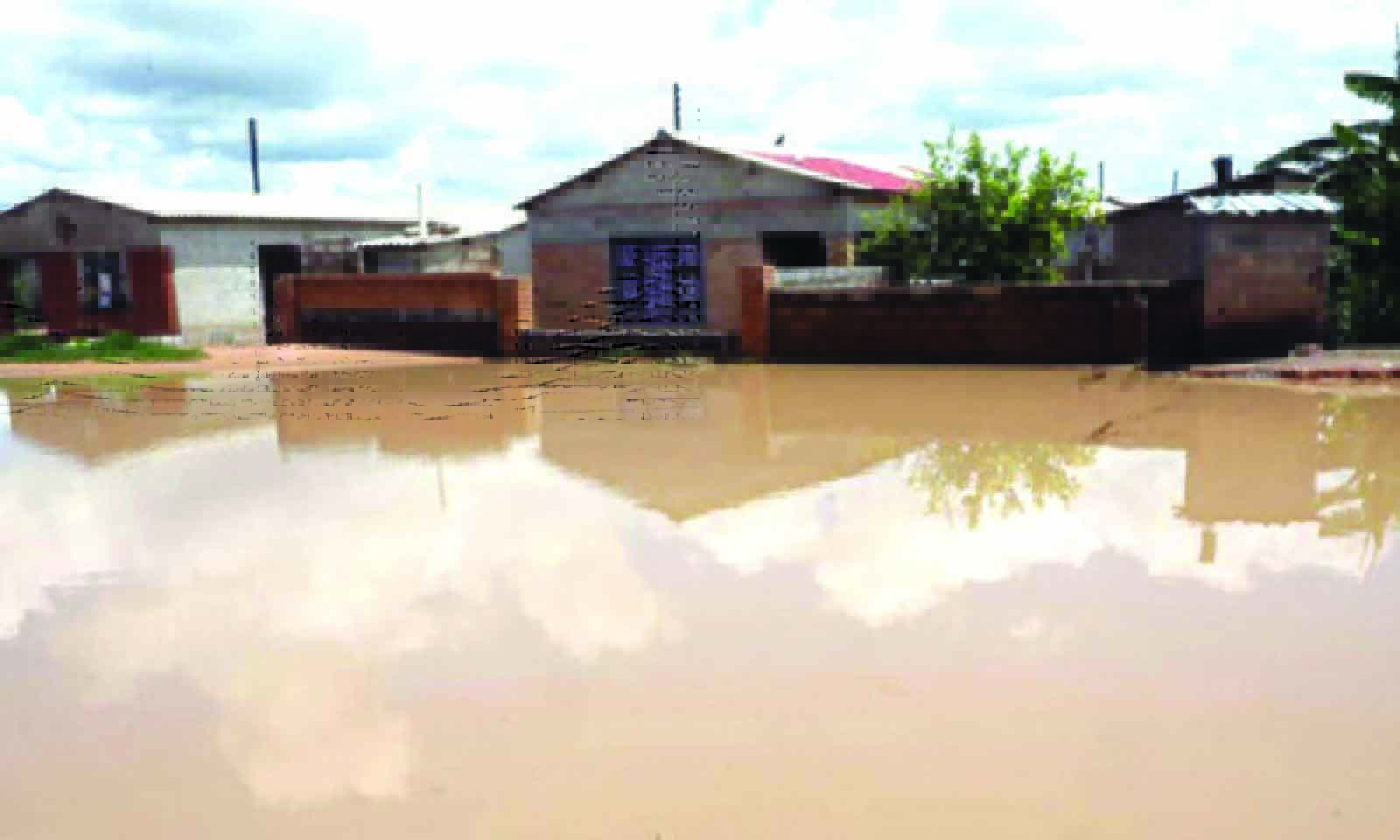
Cliff Chiduku-Herald Correspondent
Climate change is an undeniable global crisis, demanding immediate and strategic intervention.
The rapid shifts in climate patterns, rising sea levels, extreme weather conditions and environmental degradation necessitate both adaptation and resilience-building measures.
A report by the United Nations estimates that the world requires between US$187 billion and US$359 billion annually to effectively adapt to climate change.
However, the African Development Bank (AfDB) noted that climate change presents a staggering US$3 trillion investment opportunity for Africa by 2030.
While public sector funding has traditionally dominated climate initiatives, bridging the climate finance gap requires substantial private sector involvement.
The synergy between public and private investments is critical, especially for Africa, which faces disproportionate climate-related risks.
Climate adaptation refers to the process of adjusting to actual or expected climate effects, minimising harm and capitalising on potential benefits.
On the other hand, resilience encompasses the ability to withstand, recover and reorganise in response to climate stressors. These twin strategies are no longer optional; they are necessary for survival.
The increasing frequency and intensity of extreme weather events — ranging from cyclones and wildfires to prolonged droughts and heatwaves — have exposed the vulnerabilities of global economies.
Millions have lost their homes, livelihoods and access to essential resources such as water and food.
Without adequate adaptation measures, climate change could push more than 100 million people into extreme poverty by 2030, disproportionately affecting Africa and other developing regions.
The financial commitment required for climate adaptation is daunting.
Worryingly, the gap between what is needed and what is available continues to widen, making it essential to explore alternative financing models.
While developed countries have pledged climate financing through mechanisms such as the Green Climate Fund, these commitments have often fallen short. As a result, developing countries, particularly in Africa, struggle to implement adaptation projects on a scale.
Despite these challenges, climate adaptation presents an opportunity rather than just a financial burden.
According to the AfDB, climate change represents a US$3 trillion investment opportunity by 2030. This figure highlights the potential for innovation, green businesses and sustainable infrastructure. By investing in the right projects, both governments and the private sector can turn climate resilience into an economically viable endeavour.
Historically, climate adaptation efforts have been largely dependent on Government initiatives and public funding. However, given the scale of the challenge, the private sector must step up.
Companies that integrate climate resilience into their business models stand to benefit in multiple ways.
Investing in climate-smart agriculture, renewable energy, water conservation and resilient infrastructure not only mitigates risks but also unlocks new revenue streams.
One of the most promising areas for private sector investment is insurance and risk financing. Climate-related disasters have led to billions of dollars in economic losses, many of which are uninsured.
Innovative financial instruments, such as climate risk insurance and resilience bonds, can help businesses and communities recover more quickly from climate shocks.
Additionally, private companies can drive climate adaptation by adopting green supply chain practices, reducing carbon footprints, and funding research into climate-resilient technologies.
Start-ups and entrepreneurs focusing on clean energy, water-efficient irrigation systems and sustainable urban planning are key players in shaping a climate-resilient future.
Africa bears the brunt of climate change despite contributing minimally to global greenhouse gas emissions. Rising temperatures, erratic rainfall patterns, and desertification threaten food security and economic stability.
Millions of Africans, particularly those in agrarian economies, have lost their livelihoods due to climate-induced disasters. Yet, adaptation financing remains insufficient.
Public-private partnerships (PPPs) offer a viable path forward. Governments can provide policy frameworks, incentives and initial funding, while private sector players can introduce efficiency, expertise, and additional capital.
For instance, investing in climate-resilient agriculture, such as drought-resistant crops and precision farming technologies, can boost food production and economic resilience.
Infrastructure investment is another crucial area.
Africa needs resilient roads, bridges and urban planning to withstand extreme weather events.
Coastal cities require improved flood defences to counter rising sea levels. Collaborative financing models, such as blended finance — where public funds de-risk private investments — can attract more capital into such projects.
Beyond environmental consequences, climate change is a socio-economic crisis.
Extreme weather events and environmental degradation have already displaced millions of people.
Floods and droughts have devastated agricultural yields, leading to food shortages and economic distress.
Industries dependent on natural resources, such as fisheries and forestry, are experiencing significant losses.
According to the International Labour Organisation, climate change could result in the loss of 80 million full-time jobs globally by 2030.
However, climate adaptation and resilience strategies can counter these negative trends.
The transition to a green economy offers substantial employment opportunities.
Renewable energy projects, reforestation initiatives, and eco-friendly urban planning can generate millions of jobs. Governments and businesses must invest in reskilling programmes to equip workers with skills relevant to green industries.
The battle against climate change requires a fundamental shift in how adaptation efforts are financed and implemented.
Governments alone cannot shoulder the burden; the private sector must rise to the occasion.
Public-private partnerships are essential in channelling investments into critical areas such as resilient infrastructure, climate-smart agriculture and innovative risk management solutions.
Moreover, climate adaptation must be integrated into national economic policies and development plans.
Policymakers should incentivise private sector participation through tax breaks, subsidies and regulatory support. Financial institutions should prioritise climate resilience projects in their lending portfolios.
At an individual level, consumers can drive demand for sustainable products and services.
Awareness campaigns and education programmes should be expanded to promote climate-conscious behaviours.
Adaptation and resilience are indispensable in tackling climate change.
The financial commitment required is significant, but so are the opportunities.
With the world needing between billions annually for climate adaptation and Africa facing a US$3 trillion investment opportunity by 2030, both public and private sector players must collaborate to secure a sustainable future.
African countries require urgent investment to protect their vulnerable populations from climate-induced disasters.
Ultimately, the global community must recognise that climate adaptation is not merely a cost but a necessary investment in economic stability, environmental sustainability and human well-being.
The time to act is now —failure to do so will have irreversible consequences for future generations.
Cliff Chiduku is a communications, public policy and governance expert with interests in climate and environmental issues. He writes in his personal capacity. Feedback: [email protected] or Call/App +263775716517.