Online Reporter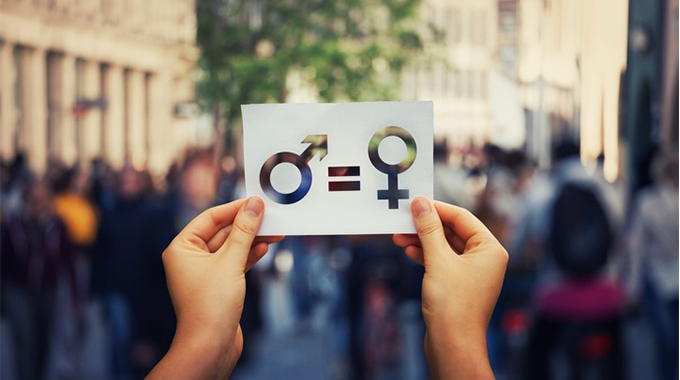
Tasunungurwa Matinhira
In today’s rapidly evolving world, the push for gender equality is perhaps one of the most significant social movements of our time. Women are breaking barriers, gaining access to opportunities previously closed off to them and rising to new heights of leadership, achievement and independence. These strides towards equal rights and empowerment are undoubtedly commendable.
However, as we celebrate these victories for women, it is essential to pause and reflect on the impact of this shift on men, particularly on their sense of identity and role in society.
As a psychologist, I have observed a growing concern in recent years — one that is often brushed aside in favour of championing women’s rights. The notion that equal rights are protecting women more than men is becoming increasingly prevalent, particularly among men who feel disconnected from the societal narrative that now promotes equality above all else. At the heart of this issue is the age-old belief that men should be the primary providers, and this expectation is becoming a point of inner conflict for many men today.
Historically, men have been positioned as the sole providers and protectors of their families. This societal expectation was not just a role, but a deeply ingrained source of pride and identity. To feel superior, to feel that their worth is measured by their ability to provide, is something that many men take great pride in. This was not about dominance but about finding meaning and purpose in their lives. It is after all, human nature to seek a sense of superiority in some capacity, as it provides a foundation for self-esteem and motivation.
However, as the conversation surrounding gender equality progresses, many men find themselves facing an identity crisis. The traditional role of the provider is no longer exclusive to men. Women, too, are stepping into the workforce, earning equal pay and sharing responsibilities in the household. While this is an important victory for women, the flip side is that many men no longer feel the same sense of power, pride, or superiority they once did.
Men are now expected to be equals with women, which, in theory, is a positive step forward for fairness and equality but in reality, this shift has created a complex and often disorienting challenge for men. They are still expected to carry the mantle of provider, even when their female counterparts are doing the same. The sense of being “less than” or “at par” with women, instead of “above” them, has created a pressure that undermines the very core of what has historically motivated many men, an intrinsic need to be perceived as strong, capable and in control.
In my professional opinion, it is crucial that the empowerment of women does not come at the expense of men’s power and self-worth. Men, like women, need to have a sense of purpose that is tied to their identity and value. When society pushes men into the background and suggests that their role as providers and protectors is obsolete, we risk weakening an entire generation of men who are struggling to redefine their identity.
This is not to suggest that women should not be empowered — quite the contrary. It is vital that women continue to rise and claim their rightful place in all facets of society but as we lift women up, we must also ensure that men are not left behind, questioning their value and struggling with an identity crisis. The foundation of men’s power, particularly in their role as providers, should not be undermined. Instead, we must work towards a more balanced approach to empowerment that nurtures both men and women.
This requires evaluating the impact of women’s empowerment initiatives. Are we inadvertently making men feel inferior in the process? Are we teaching our young boys that their role in society is less important, simply because women are now claiming their own rightful space? These are critical questions we need to address in our conversations around gender equality.
Another crucial area often overlooked in discussions about gender equality is how men express their emotions. Yes, men should cry. Emotions are natural, and no one should be expected to suppress their feelings.
However, it’s important to note that the way men express their vulnerability should not mimic how women express theirs. The emotional expression of men should be grounded in their unique nature and strength.
There is a societal expectation that men must be tough — providers, protectors, soldiers and warriors, who stand tall even when the world around them crumbles. It is these very expectations that form the foundation of masculinity. In times of adversity, men are still expected to shoulder the burden, remain stoic and keep moving forward, whether it’s providing for their families or defending what they believe is right.
To this end, men should be encouraged to express their emotions, but they must do so in a way that reflects the strength they’ve always embodied. Their tears should not be a signal of defeat, but rather an opportunity to release, reflect and rebuild. The act of crying should not diminish their power but serve as a reminder of their humanity. The goal should not be to turn men into a version of emotional expression that is more feminine, but rather to allow them to develop emotional resilience that complements their role as providers and protectors.
In our pursuit of gender equality, we must be careful not to raise generations of weak men in the name of fairness. Yes, men should be allowed to cry and yes, they should have the space to express their emotions. But the type of emotional expression and vulnerability we encourage in men cannot and should not mirror that of women. While women have historically been encouraged to express their emotions more openly, we must ensure that we are not pushing men to forsake their core roles as strong, resilient figures — providers, protectors, soldiers and warriors.
If we are to claim that we are all the same, then what does that mean for other areas of life? Should we do away with maternity leave for women, in the name of equality? Should we eliminate the separate bathrooms for men and women, simply because we are all “the same”? Should men and women compete in the same sports, regardless of the biological differences that have existed for millennia? These questions are important because they highlight the complexities of equality in its truest sense.
Equality does not mean erasing the differences that make us unique. It does not mean forcing men and women to be identical in all respects, nor should it demand that men relinquish their roles as protectors and providers for the sake of balancing the scales. True equality embraces the differences between the sexes while ensuring that both are given the space and opportunity to thrive in their own right.
One of the most significant ways to ensure the healthy development of future generations is through the nurturing of strong boys. Parents play a vital role in this process. Raising boys who are confident, emotionally intelligent and capable of finding their own sense of identity is crucial. At the same time, we must not create a culture where boys are taught to view women as competitors or threats to their own worth.
It is essential for parents to guide their sons in developing a strong sense of self-worth that is not tied solely to their ability to be a provider. Boys must be taught that their value as individuals is not contingent upon feeling superior to others, but rather rooted in their ability to contribute to society in meaningful ways, whether that is through work, relationships, or personal growth. This is where we see the intersection of gender equality and healthy masculinity.
Parents must also emphasise the importance of empathy, respect and collaboration. As gender roles continue to evolve, we must ensure that our boys understand the importance of equality in all its forms and how to navigate a world where both men and women can stand together as equals, each contributing their strengths to society in their own unique ways.
As we continue to strive towards gender equality, it is essential that we take a step back and reflect on the broader implications of our societal shifts. The empowerment of women is necessary, but it must not come at the expense of men’s self-worth and power. Both men and women must be allowed to thrive in their roles, free from outdated expectations but also supported in their efforts to carve out meaningful lives.
We must protect the sources of men’s power, just as we protect those of women. This is not a matter of placing one gender above the other, but rather about ensuring that both men and women are given the opportunity to flourish, without fear of losing their value or sense of identity in the process. It is up to all of us; parents, educators and policymakers — to raise strong, resilient individuals, both male and female, who understand that true strength lies not in superiority but in the ability to work together for a more just and equitable society.
In this new world of gender equality, let us ensure that we lift each other up, without diminishing the power of anyone in the process. Only then, can we achieve true harmony for all.