

 Online Reporter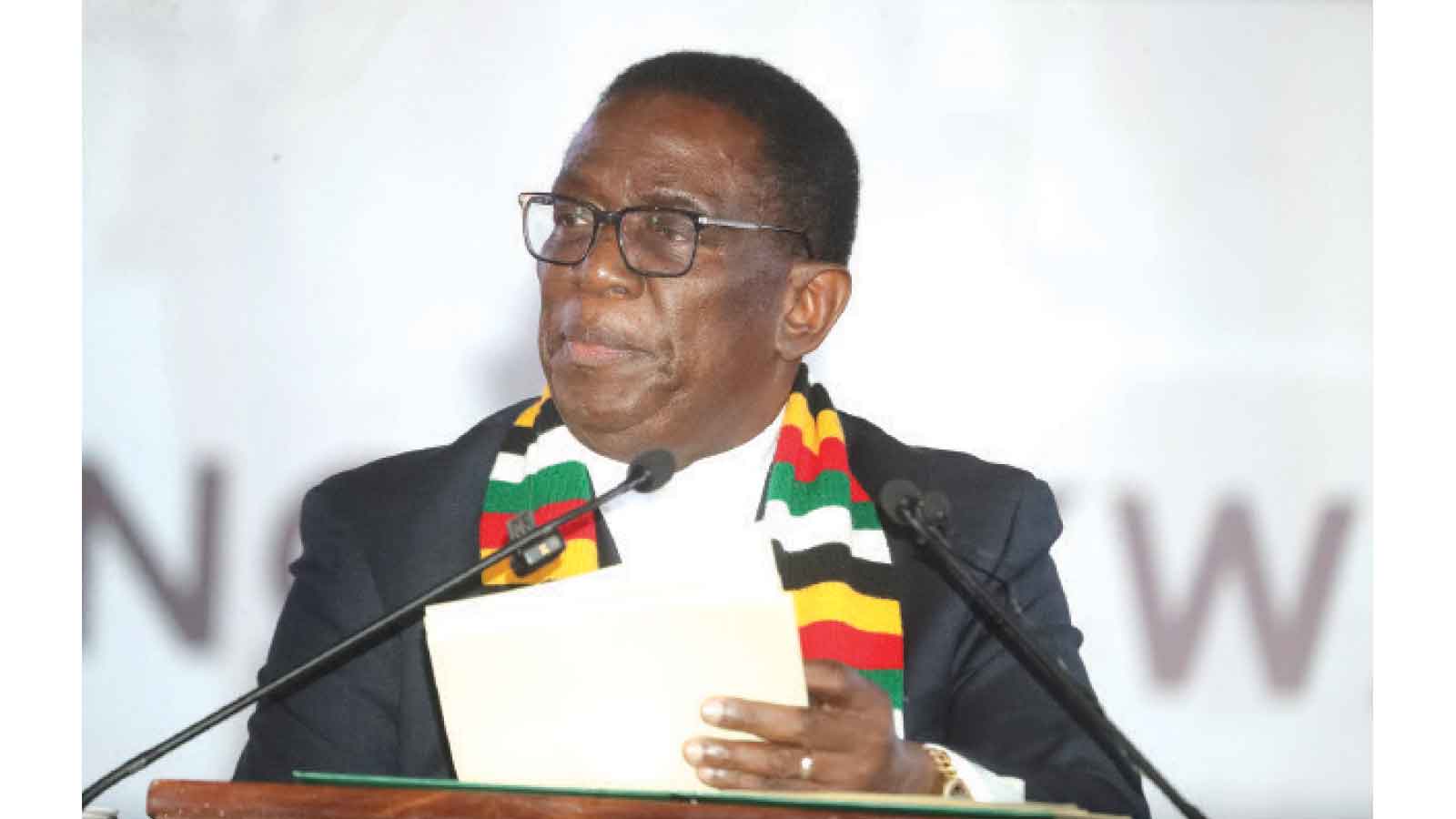
Victoria Ruzvidzo-Editor’s Brief
Headlines such as “Zimbabwe to Surpass Growth Targets,” “Inflation Subdued — Now in Single Digits,” “Agriculture Reaches Targets Ahead of Schedule,” “Tobacco Output Hits 355 Million Kilogrammes,” and “Zimbabwe Named Best Destination” all underscore the significant role Zimbabwean women are playing in the country’s development.
Women account for 52 percent of the population, and their active involvement is increasingly visible as records continue to be broken across most sectors of the economy.
It is against this backdrop that Zimbabwe yesterday joined the rest of the world in celebrating International Women’s Day.
There was much to smile about — and indeed, much more that still needs to be addressed for women to fully realise their potential.
The International Women’s Day celebrated globally yesterday is an important occasion that highlights achievements made by women while assessing areas that still require improvement. Of course, it is not a day that concerns women alone, but one that provides impetus for men — as partners in development — to introspect and join in efforts to make the world a better and more equal place for both sexes.
Observed annually on March 8, International Women’s Day serves as a reminder of the social, economic and political progress women have made over the years.
IWD has its roots in the 20th‑century labour movement, with the first celebration taking place in 1911.
The United Nations officially recognised March 8 in 1977 as a day to advocate for women’s rights and promote equality. Each year is assigned a theme drawn from issues affecting women. This year’s theme, “Give to Gain,” focuses on empowering women through equal opportunities, resources and support, thus creating a positive and collaborative impact on society.
Indeed, there is a global chorus calling for an urgent and intimate reflection on matters relating to us as women.
At a biological level, every human being exists because of a woman — which explains Bob Marley’s masterpiece No Woman, No Cry. We are here because of women, underlining their inestimable importance. From conception, caring and nurturing, through to adulthood, women play definitive roles.
But over the years, beyond biological and domestic functions, women have risen to claim spaces in various spheres — business, politics, economics — and now occupy leadership positions in virtually every profession, from law to medicine, engineering to farming, construction to tourism, and many others.
His Excellency President Mnangagwa has been very intentional about recognising and elevating women.
We have seen this in Cabinet, ambassadorial posts, parastatals and other State organs, where an increasing number of women have been appointed. The President has been a paragon in the advancement of women and has provided a clear cue for leadership at all levels to follow.
The First Lady of the Republic of Zimbabwe and Patron of the Angel of Hope Foundation, Her Excellency, Dr Auxillia Mnangagwa, joined other nations in commemorating International Women’s Day.
“The theme ‘Give To Gain’ calls upon us to recognise that acts of selflessness, compassion and service have the power to transform lives, strengthen communities and uplift our nation.
“It reminds us that when we invest our time, knowledge and resources in supporting others, we create opportunities not only for those we help but also for the sustainable development and shared prosperity of Zimbabwe.
“Giving, therefore, becomes a pathway to gaining dignity, unity and hope for all. “Through the Angel of Hope Foundation, we remain guided by these values as we support the most vulnerable, particularly women and girls in Zimbabwe, through access to healthcare, education and economic empowerment initiatives.
“Meaningful transformation begins with small acts. Each gesture of giving strengthens families, communities and the nation as a whole. Today, I urge every woman and girl to shine through her skills, kindness and insight, for in sharing, we discover dignity, togetherness and hope.
“Wishing everyone a joyful International Women’s Day,” she said.
The Minister of Women Affairs, Community, Small and Medium Enterprises Development Monica Mutsvangwa continues to work proactively, addressing women’s entrepreneurship, social issues and political participation.
Women come from a gruelling — and at times gruesome — past; one marked by discrimination, violence, stigma, disdain and dereliction. This was not confined to developing countries such as Zimbabwe, but was a global phenomenon.
However, the tables have turned, with many women breaking the glass ceiling. C‑suites are increasingly occupied by women — not as an act of charity but in recognition of their capabilities, competence, adaptability and emotional intelligence.
When we call for the elevation of women, it is precisely because we have much to offer when given the chance.
Women are a driving force, making up an average of 52 percent of the population. It would be foolhardy to ignore such a significant constituency. Indeed, our development agenda is anchored on leaving no one and no place behind.
Both NDS1 and NDS2 prescribe the active participation of women in achieving Vision 2030.
Women contribute 70 percent of labour in agriculture, playing a key role in food security and agricultural exports, thereby augmenting foreign currency earnings.
Yet women remain under‑represented in decision‑making positions, despite their influence and merit. Numbers do not lie or discriminate. Companies with women on boards have better returns on investment.
Furthermore, women in business are statistically less likely to default on loan repayments. Women are natural problem‑solvers.
Minister Mutsvangwa is on record saying:
“The Zimbabwean woman, particularly you as professionals and businesswomen, are equally capable of dealing with Zimbabwe’s challenges.
Women are known the world over for bringing instant results to problems facing their families and therefore their nation. There is no reason why women cannot become the visionaries of mega projects. This should not be the preserve of men.”
She challenged women to break into male‑dominated spheres such as owning power stations, large mines, banks, construction projects and investing in the energy sector.
Observing the special day, Zanu PF Secretary for Women’s Affairs and President of the Senate Cde Mabel Chinomona reminded women of the other theme: “Rights, Justice, Action, For All Women and Girls”, which resonates deeply with our nation’s commitment to promoting gender equality and empowering women.
“Rights, Justice, Action, For All Women and Girls, reminds us of our collective responsibility to promote gender equality, working together to dismantle barriers, promote justice, and ensure economic opportunities for all women and girls. I encourage you women, where ever you are, to recognise and support each other’s efforts in surrounding communities and work together to create a more just and equitable society,” she said.
Women also possess practical knowledge in food preservation, natural‑resource management, water‑harvesting techniques and other critical functions. Government can build on this by providing interventions that enhance food security and ensuring that women have access to technology to increase productivity.
To fortify their participation in business and other sectors, women need targeted financial‑literacy interventions. Zimbabwe boasts one of the highest literacy rates on the continent, but more needs to be done in financial literacy.
Key aspects include:
a) Financial planning
b) Spending
c) Borrowing
d) Investing
e) Internal drive
f) Record‑keeping
g) Insurance
Ms Colisile Tfwala — a South African‑born social entrepreneur, certified finance coach, humanitarian and economic‑development specialist — has lamented that although many women exhibit high levels of ingenuity in the businesses they run, these ventures often fold due to limited expertise in investment, decision‑making and collaboration.
Additionally, financial illiteracy undermines financial inclusion. Perhaps Government and the private sector could initiate free financial‑literacy programmes for women. A population that is financially and digitally literate becomes a low‑hanging fruit for banks themselves. Involving women in the conception and implementation of development programmes will yield greater results in transforming women’s socio‑economic trajectories.
Training across the full spectrum of skills is critical in consolidating women’s contribution to national development. Women are reshaping the economy as business executives and entrepreneurs. Increased access to finance and skills development will enhance their contribution to Vision 2030.
In the arts and literature sector, Zimbabwean women have used their voices to challenge societal norms.
As we continue to celebrate this Women’s Month, we must step up our contribution to Zimbabwe’s development. We are a critical component of the vene who must build this country and elevate it on the global stage.
Happy Women’s Month!
In God I Trust!
For feedback: Whatsapp 0772129972;
X @VictoriaRuzvid2



