Online Reporter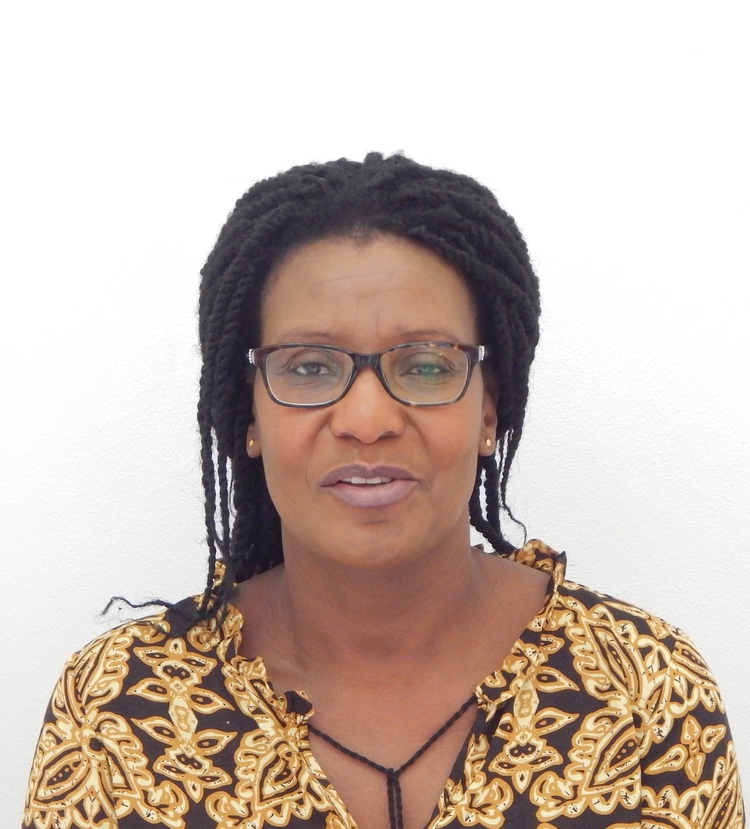
Disability Issues
Dr Christine Peta
THE United Nations (UN) General Assembly has directed the hosting of periodic (biennial) Global Road Safety Weeks to raise awareness on road safety issues, as well as stimulate and advance appropriate responses.
This year, the eighth UN Global Road Safety Week is running from May 12 to 18.
The focus of this article is, therefore, on the intersection of road traffic accidents (RTAs) and disabilities.
Deaths arising from RTAs are generally well-documented, but research on traffic-related injuries and disabilities is hard to come by.
Yet RTAs contribute greatly to the global burden of disease and disability.
The most common long-term disabilities resulting from RTAs include:
Spinal cord injuries — These can lead to partial or complete paralysis, impacting mobility and daily activities. Survivors may require ongoing medical care and assistive devices such as wheelchairs.
Traumatic brain injuries — These can result in mental impairments, memory issues and changes in mood or behaviour. Long-term care may be necessary for those with severe injuries.
Amputations — The loss of limbs due to severe accidents can significantly affect mobility and quality of life, necessitating prosthetics (artificial body parts) and rehabilitation.
Chronic pain — Many survivors experience lasting pain conditions, which can limit physical activity and affect mental health due to the chronic nature of the pain.
Post-traumatic stress disorder (PTSD) — Emotional and psychological trauma can lead to PTSD, affecting mental health and social interactions.
Vision and hearing impairments — Injuries may result in partial or full loss of vision or hearing, impacting communication and mobility.
Soft tissue injuries and scarring — These can lead to long-term mobility issues and psychological effects due to visible scarring.
Economic costs associated with RTAs affect individuals, households and societies, thus posing a significant concern to national budgets and economic development initiatives.
Direct medical costs include payments for ambulance and emergency medical services, hospitalisation, surgical procedures, overnight stays, specialised care, rehabilitation costs for physiotherapy, occupational therapy and other rehabilitation services, as well as short- and long-term medication costs for managing chronic pain or other conditions.
Increased expenditure on wheelchairs, prosthetics or other devices and modifications to vehicles for accessibility and transportation for medical appointments and therapy sessions also arises.
Indirect economic costs include loss of income as people may lose wages during recovery and potential future earnings if disabilities prevent them from returning to work.
Even in instances where individuals return to work, they may have lower productivity, thus impacting their earnings and employer revenues.
There are also social services and support costs as family members or hired professionals may need to provide care at home.
The Government may spend more on disability support, social welfare and assistance programmes.
Emotional and psychological support for families can also lead to increased costs and demand on associated community resources.
Way forward
There is a need for all of us to join hands in addressing the risk factors of RTAs, which include driver negligence (speeding; distracted driving, for example, use of a phone while driving, drunk driving, and so on) and unroadworthy vehicles.
Cyclists and pedestrians ought to use lights and reflective gear to enhance visibility where applicable.
Pedestrians should also use pedestrian crossings, look both ways before crossing streets and avoid distractions, like the use of phones.
There is also a need to strengthen research on RTAs and disability to inform policy and practice.
Data analysis is key in identifying high-risk areas and implementing targeted interventions to enhance safety for road users.
Disability-inclusive road safety campaigns and the promotion of infrastructure that clearly separates motorists, cyclists and pedestrians are needed.
Anyone can acquire a disability at any time due to RTAs; hence, in one way or another, we all have the responsibility of preventing them.
Dr Christine Peta is a disability, public health, policy, international development and research expert. She can be contacted on: [email protected]



 Online Reporter