Trust Freddy
Herald Correspondent
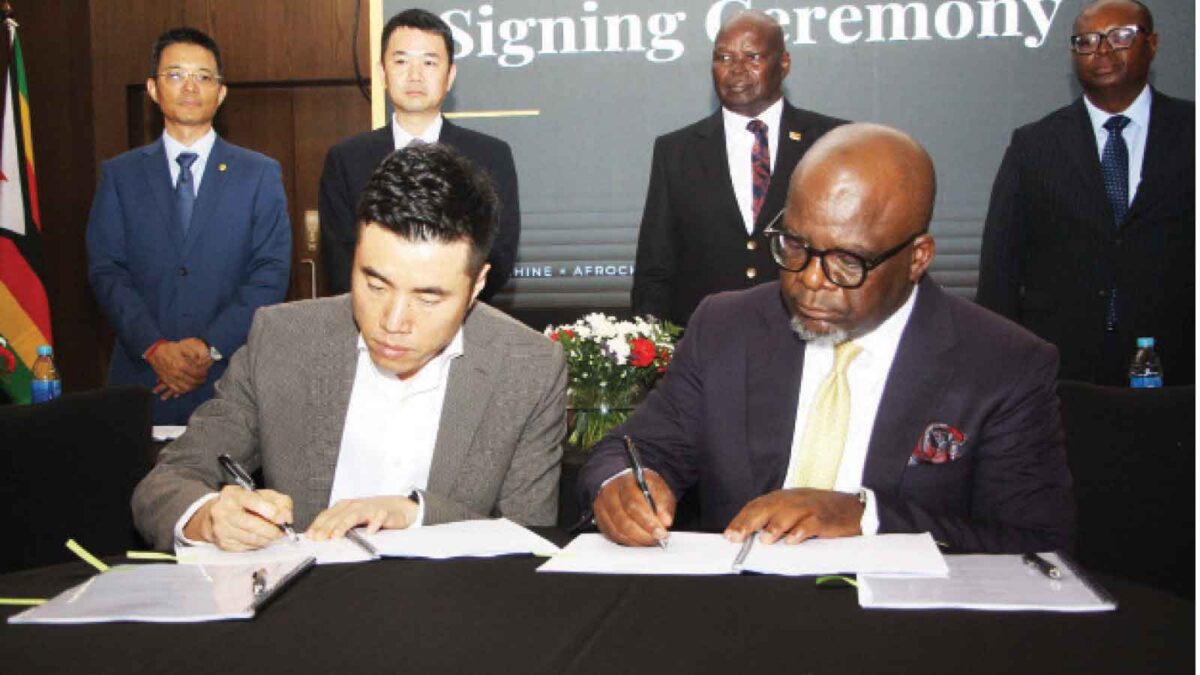
THE Second Republic’s drive to achieve energy self-sufficiency and support the industrialisation agenda received a major boost yesterday after the signing of a direct agreement for the 115MW Centrachine Solar PV Project in Selous, unlocking international financing for the development.
The solar project is expected to strengthen electricity supplies for industry and contribute to national generation capacity as Government accelerates investments in new power projects to meet growing demand and reduce reliance on electricity imports.
Energy and Power Development Minister July Moyo, who officiated at the signing ceremony in Harare, said the project was a key component of efforts to expand power generation in line with President Mnangagwa’s vision of building an upper-middle-income economy by 2030.
“If we are going to expand this economy to US$45 billion, electricity generation must grow exponentially because energy drives our industrial base,” said Minister Moyo.
He urged project partners to expedite implementation and bring forward commissioning of the plant from October 2027 to July 2027.
Minister Moyo said the country was pursuing an ambitious energy expansion programme under a US$9,5 billion national energy compact aimed at achieving long-term energy security and supporting industrial growth.
He said Government was also opening up transmission infrastructure to private sector participation to strengthen regional interconnections and improve electricity delivery.
To further bolster supplies, he said, efforts were underway to integrate about 1 500MW of privately generated captive power into the national grid.
Since the advent of the Second Republic, Zimbabwe has intensified investments in power generation, including the completion of Hwange Units 7 and 8, expansion of renewable energy projects and modernisation of transmission infrastructure as part of broader efforts to attain energy self-sufficiency.
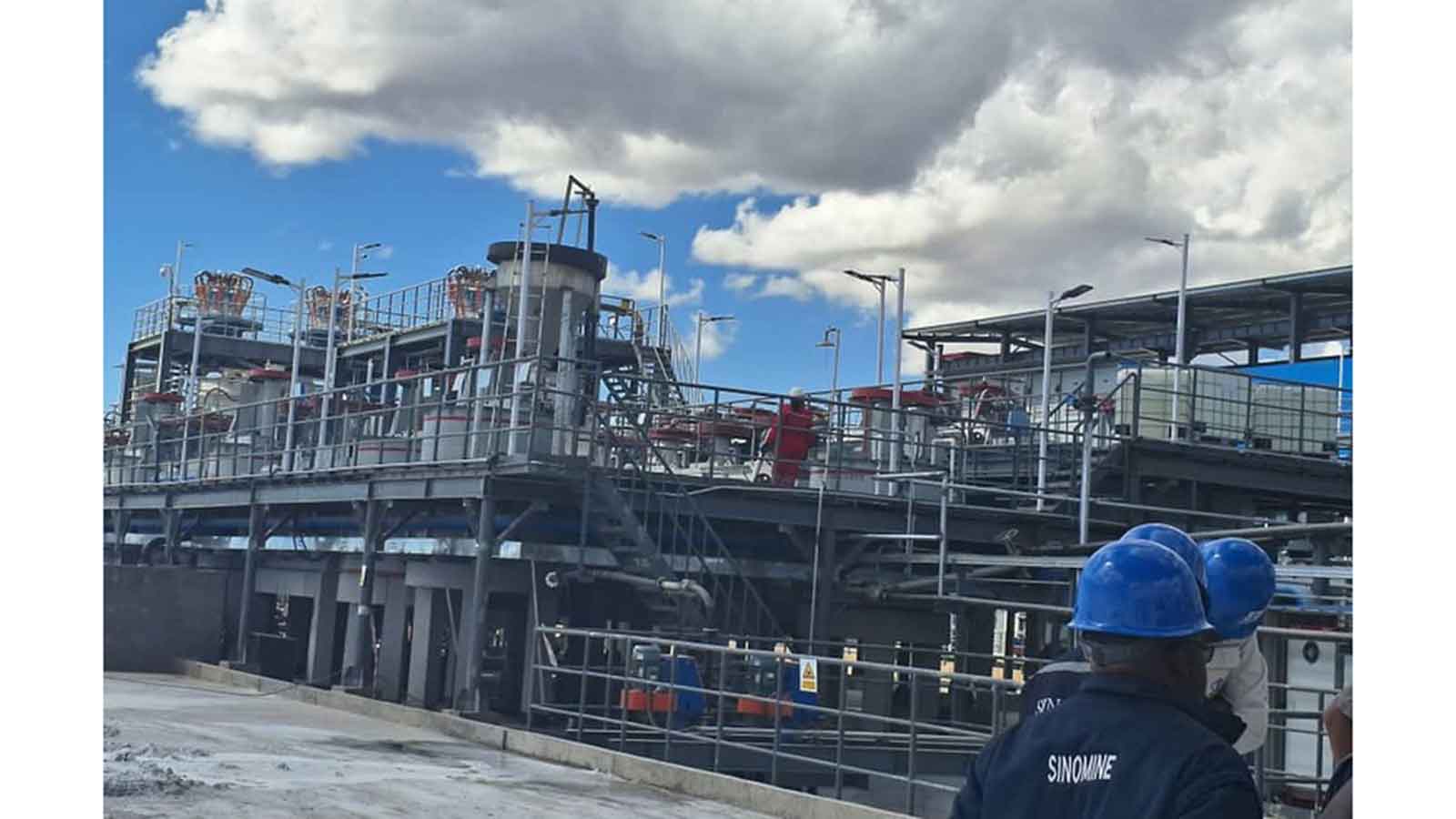
The direct agreement establishes a financial guarantee framework between Chinese investor Zhejiang Dinson Holding Group and its local smelting subsidiary, Afrochine Smelting (Pvt) Ltd.
Under the arrangement, Zhejiang Dinson will guarantee electricity payment obligations owed by Afrochine to project developer Centrachine (Private) Limited, a subsidiary of African Transmission Corporation (ATC), and its financiers.
ATC chief executive and managing director Mr Victor Utedzi said the agreement was a critical requirement for financiers.
“Financiers need confidence not only that power will be generated, but that it will be paid for,” he said.
“This agreement supplies a critical additional layer of security and was the remaining piece needed to bring the financing structure together.”
Mr Utedzi said ATC and Centrachine secured the project after competing against more than 30 local and international bidding consortia.
The project’s financing package includes a US$65 million bridge facility from Sinohydro Leasing International, a subsidiary of PowerChina, a US$3 million facility from FBC Bank underwritten by Old Mutual, and an US$87,5 million long-term facility led by the Trade and Development Bank (TDB).
PowerChina International Group vice-president for East and Southern Africa, Mr Wu Yifeng, said construction would be undertaken by Yellow River Corporation Limited, another PowerChina subsidiary.
“Today marks a new chapter in how PowerChina can partner with African developers, industries, and financial institutions to deliver critical energy infrastructure,” he said.
Mr Wu said PowerChina had maintained a presence in Zimbabwe for 16 years and delivered major projects such as the 300MW Kariba South Extension and the 600MW Hwange Units 7 and 8 expansion project, which significantly increased national generation capacity.
Beyond boosting electricity supplies, the Selous solar project is expected to create at least 300 jobs during construction and operational phases, providing economic opportunities for communities in Selous and Chegutu districts.
The project has also been granted Prescribed Asset Status by the Insurance and Pensions Commission (IPEC), enabling local pension funds and institutional investors to participate in financing Zimbabwe’s energy expansion programme.
The development comes as the Second Republic continues to prioritise energy security as a cornerstone of industrialisation, economic growth and the attainment of Vision 2030.