admin
admin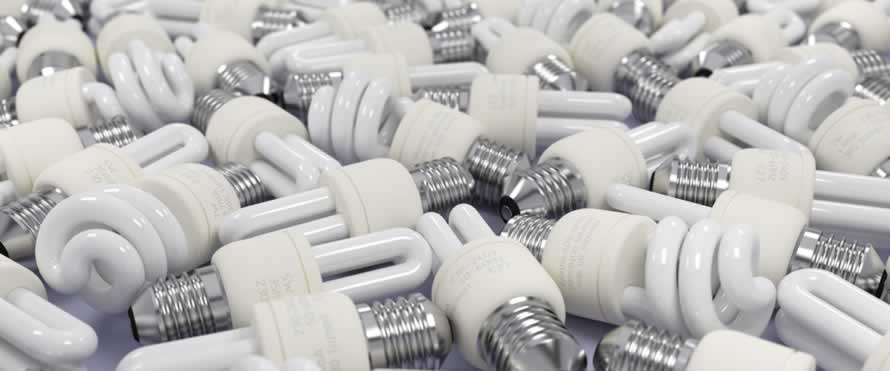
 THE seemingly wise move by the Zimbabwe Electricity Supply Authority (Zesa) to save energy by banning high-energy old-fashioned lightbulbs and replacing them with low-energy lightbulbs might come back to bite the power utility as it has emerged that the low-energy lightbulbs can cause a number of diseases that include skin cancer, sunburn-like damage, blindness and premature aging.
In an attempt to save electricity, Zesa banned the use of bulbs which consume a lot of energy. The power utility has for some years now been promoting the low-energy lightbulbs — or compact fluorescent lamps (CFLs) — which are said to use 80 percent less electricity and last longer.
Old-fashioned incandescent bulbs work by electrically heating a filament inside a glass globe filled with inert gas, so that it emits light.
Instead of a glowing filament, low-energy bulbs have argon and mercury vapour within a spiral-shaped tube. When the gas gets heated, it produces ultraviolet light. This stimulates a fluorescent coating painted on the inside of the tube. As this coating absorbs energy, it emits light.
The concern is about some of the light rays emitted in high levels by these bulbs. Recent scientific evidence shows these specific rays are particularly damaging to human eyes and skin.
According to a UK medical expert who has a stockpile of old-fashioned lightbulbs, the light from the low-energy lightbulbs is the problem. Professor John Marshall, one of Britain’s most eminent eye experts said the light from the low-energy lightbulbs was the cause of health problems.
“Light is a form of radiation. The shorter the wavelength, the more energy it contains. The most damaging part of the spectrum is the short wavelength light at the indigo/violet end of blue. Incandescent bulbs did not cause problems, but these low-energy lamps emit high peaks of blue and ultraviolet light at this wavelength.
“In the same way ultraviolet rays in sunlight can cause premature aging in our skin if we get sunburnt, there is a similar situation in the eye. You shed skin every five days, but your retina is with you for life,” said Prof Marshall.
The retina at the back of the eye is vital for sight — it’s made up of light-sensitive cells that trigger nerve impulses that pass via the optic nerve to the brain, where visual images are formed.
Sustained exposure to ultraviolet light wavelengths from CFLs increases the risk of two seriously debilitating eye conditions, macular degeneration and cataracts, the professor claims.
With macular degeneration, the macula, which is at the centre of the retina, becomes damaged with age. A cataract is a clouding of the lens inside the eye.
Zimbabweans are more at risk of getting their eyes damaged because of sunny weather conditions.
“If you are in a country with high levels of ultraviolet light, your eyes will age faster. This is why the incidence of cataracts is earlier and greater nearer the equator, where sunlight is at its strongest, so there is more light across all spectrums. CFLs may have a similar effect.
“The exposure can also significantly increase your risk of macular degeneration. The biggest risk factor for this is age, as it commonly starts to affect people from 60 to 80. You will almost certainly exacerbate that risk with low-energy lightbulbs,” he said.
Professor John Hawk, the retired head of the photobiology unit at St John’s Institute of Dermatology, King’s College, London, warns: “There is good evidence that the CFLs that have been foisted upon us emit radiation sufficient to cause damage to the skin if used close by for long enough.”
He said the risk was particularly high if the bulb is a metre or less from your body, which is common as people use them in reading lamps.
“There is evidence that demonstrates that the lamps cannot only cause damage to skin, but also short-term symptoms such as sun rash and prickly heat, a condition that medically is called polymorphic light eruption.
“As with any ultraviolet damage, these effects can add up over the years. The cumulative effect of this ultraviolet light causing burning, skin cell damage and aging skin is that it must to some small, but significant, extent, increase the risk of skin cancer,” he said.
Low-energy bulbs are also known to cause trouble to people who have lupus, an auto-immune disorder that typically affects the skin, joints and internal organs. Irritation caused by ultraviolet light worsens the rashes, joint pain and fatigue associated with the disease.
Migraines and epilepsy are also problems, said Professor Hawk.
He said: “I have seen 30 skin patients in my clinic who have been experiencing these problems linked to the bulbs.”
This may be because low-energy bulbs can flicker imperceptibly (incandescent bulbs flicker only when they are about to break).
A 2013 study in the journal Neurology found that flickering lights are likely to trigger migraines in some sufferers. Flickering lights are also a trigger for epileptic fits.
A 2012 study by Stony Brook University researchers found that most CFL bulbs have defects that allow UV radiation to leak at levels that could damage skin cells if a person is directly exposed at close range. The study’s lead researcher, materials science and engineering Professor Mirriam Rafailovich told National Geographic News that she believed the defects occurred during manufacturing or shipping.
“This is something that could be remedied,” she said. In the meantime, she recommends that users shield the bulbs inside fixtures, stay one to two feet away from them, and avoid staring directly into the CFL bulb.
It’s also previously been reported that low-energy bulbs contain small amounts of mercury, raising concerns that if the glass is broken, this toxic substance could be released into the air or land.
A study by Germany’s Federal Environment Agency found a broken low-energy bulb emits levels of the vapour up to 20 times higher than the safe guideline limit for an indoor area.
While the amounts are relatively small, if a low-energy bulb does break, householders are advised to evacuate the room and leave it to ventilate for 15 minutes.
People are also advised to wear gloves while wiping the area with a damp cloth and picking up the fragments – these should be placed in a plastic bag, then sealed.
The president of the Hospitals Doctors Association, Dr Charles Moyo, said he was not aware of the potential hazards of low-energy lightbulbs. “I am not aware of the dangers but if there are any then we need to look into the issue and weigh the pros versus the cons. I know that mercury can be harmful but as things stand, I cannot comment on something that I am not an expert in,” said Dr Moyo.
Anne Vick, the communications director of Lighting Europe, the industry association representing leading lighting manufacturers, refuted the allegations.
“There is no risk from ultra-violet light exposure emitted by CFLs as their UVA and UVB rays are well within the limits that guarantee consumer protection . . . scientific experts have not found any health impact from UV rays emitted by energy-saving bulbs in normal conditions.
“For workers exposed to high levels of light and for people affected by extreme light sensitivity, experts recommended using double-envelope lamps. CFLs comply with all relevant consumer protection legislation. All lamps are thoroughly tested in order to ensure safe applications for all consumers,” she said.
Zesa spokesperson Mr Fullard Gwasira admitted that low-energy lightbulbs could be a hazard but stressed that if they are handled correctly, no harm would befall humans.
“We did awareness campaigns of how people should dispose the low-energy bulbs. We also talked to councils to set up special dumping sites so that the mercury in the bulbs does not make its way into food that people eat. One thing you must understand is that we use those bulbs to save energy, as I speak, we save about 41 megawatts which is enough to power many houses.
“Having said all that, I must admit that the bulbs can be harmful to human beings, but that only happens if they are not used correctly. Mercury can be dangerous but the amount in the bulbs is not enough to cause concern,” said Mr Gwasira.
Mr Gwasira advised consumers who are not comfortable with CFLs low-energy lightbulbs to use light emitting diode (LED) bulbs as they are safer.
He said: “LED lightbulbs are the safest and they have a longer lifespan than CFLs. So consumers who have issues with CFLs should move to LED bulbs.”
LEDs use significantly less energy than CFLs, and do not contain mercury. And they are becoming economically competitive with CFLs at the point of purchase while yielding superior quality lighting and energy bill savings down the line.



 Online Reporter