Online Reporter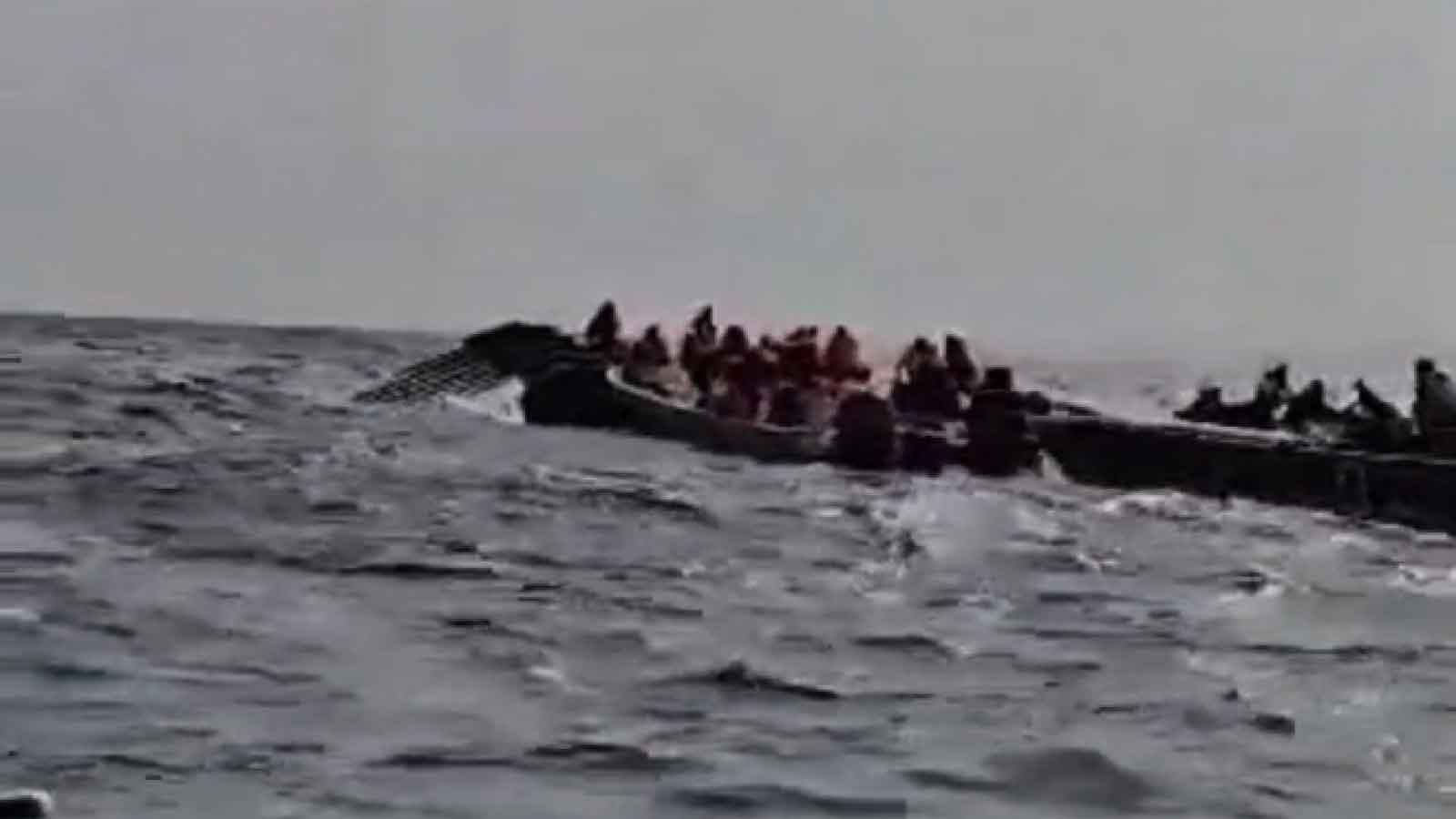
Oliver Kazunga
Senior Reporter
THE World Federation of Engineering Organisations Engineering Capacity Building Committee (WFEO-CECB) has called for an independent investigation into the Lake Kariba boat disaster and urgent safety reforms to prevent similar tragedies.
In a statement signed by its vice president, Engineer Martin Manuhwa, the engineering body said the disaster should serve as a national safety wake-up call, with authorities establishing what happened, whether known risks were adequately managed and what measures are needed to prevent a recurrence.
“The World Federation of Engineering Organisations Engineering Capacity Building Committee (WFEO-CECB) extends its deepest condolences to the families and loved ones of those who lost their lives in the Lake Kariba ferry disaster and calls for an urgent, independent investigation into the tragedy, alongside practical safety reforms to prevent avoidable loss of life,” it said.
WFEO-CECB encouraged Government, regulators, operators, professional institutions and other stakeholders to establish a coordinated national public safety and engineering assurance framework covering transport, engineering, environmental, occupational and inland-water safety.
The organisation said the framework should bring together regulatory authorities, professional institutions, police, civil protection authorities, local authorities, Government ministries and technical agencies to identify hazards early, implement corrective measures and verify compliance.
It said the tragedy underscored the need to treat certified safety limits as mandatory controls, particularly in relation to passenger capacity, vessel stability, lifesaving equipment, crew competency, weather restrictions, maintenance, navigation and emergency preparedness.
WFEO-CECB called for an immediate review of passenger vessels operating on Lake Kariba and other major inland waters, focusing on vessel certification and inspections, passenger manifests, lifesaving equipment, crew competency, weather and navigation procedures, emergency communications and search-and-rescue preparedness.
“Where critical deficiencies are found, operations should pause until corrective action is completed and verified.
“Where evidence establishes professional misconduct, negligence, or unlawful conduct, the appropriate statutory processes must be followed,” said the organisation.
It said the investigation should be independent, evidence-based and multidisciplinary, examining the entire safety chain — from design, certification and inspection to operation, monitoring, enforcement and emergency response.
Investigators, it added, should establish whether safety barriers failed, warnings were ignored, regulations were breached or institutional and professional failures contributed to the loss of life.
However, WFEO-CECB stressed that the inquiry should be conducted fairly and without prejudging individuals or institutions before evidence is established.
The engineering body also called for a broader review of public safety risks, citing fatalities linked to unprotected municipal sewage infrastructure in Harare as evidence of the consequences of inadequate safety controls.
It proposed the creation of a National Critical Safety Hazard Register for high-consequence risks in public infrastructure, transport, industry and other critical sectors.
Under the proposal, each hazard would have an accountable institution or professional, corrective actions, implementation deadlines and verification requirements, with enforcement measures where necessary.
“No critical hazard should be allowed to become an ‘orphan risk’ simply because responsibility is divided between institutions.
“The true measure of a safety system is not how well it responds after people die. It is how effectively it prevents them from dying in the first place,” said WFEO-CECB.
The organisation also called for stronger regulatory inspections and enforcement, transparent publication of major safety recommendations and increased investment in engineering safety competence, professional ethics, emergency preparedness and risk management.
WFEO-CECB expressed solidarity with survivors, rescue teams, emergency responders and communities affected by the Lake Kariba tragedy.
“Accidents can happen. But preventable safety failures must never become normal,” it said.