Online Reporter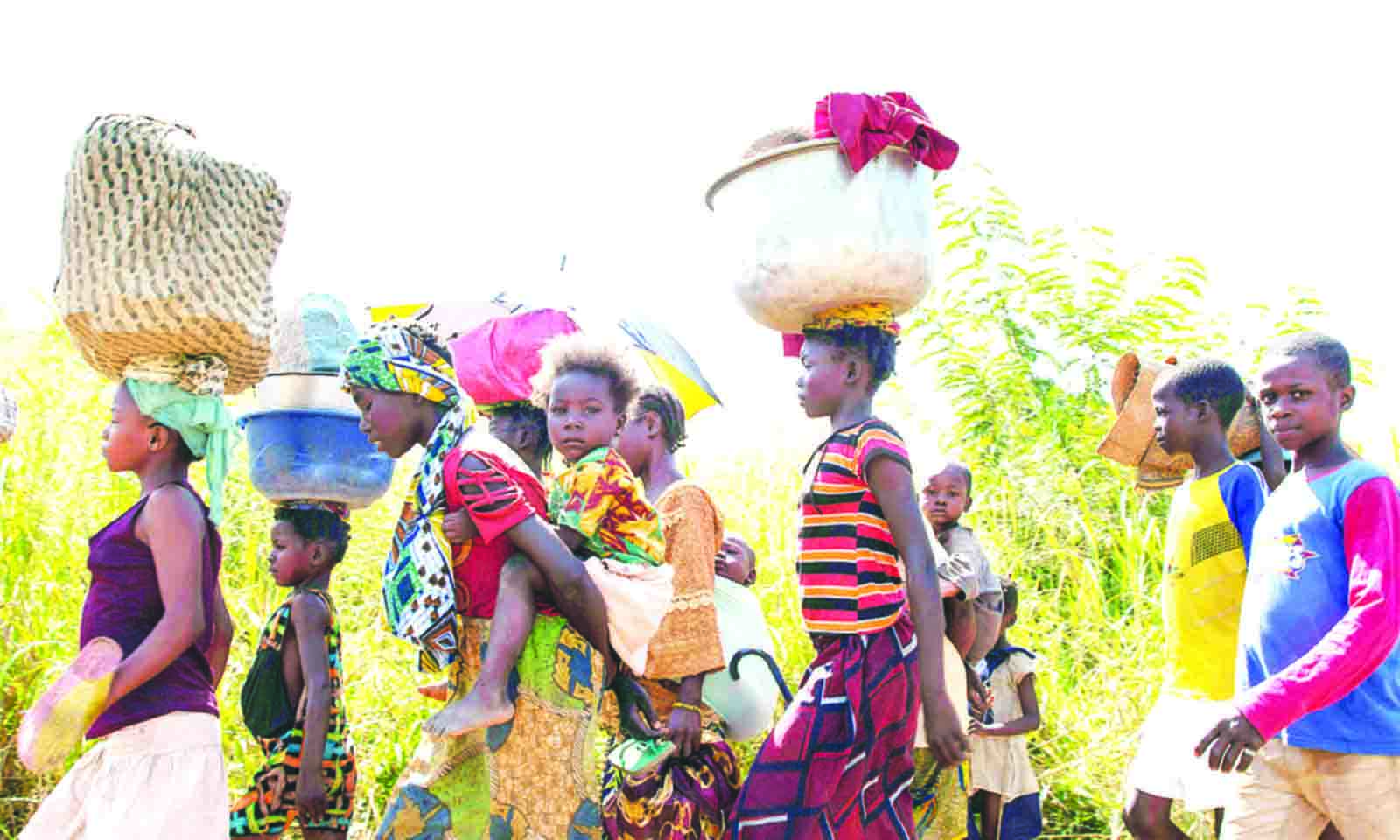
Rosette Saga and Takudzwa Mashezha
Abstract
The Central African Republic has been plagued by conflict and displacement for over a decade, resulting in one of the world’s most severe humanitarian crises. International organisations have played a crucial role in responding to the displacement and protection needs of civilians. This piece examines the efforts of international organisations, including the United Nations High Commissioner for Refugees (UNHCR), the International Committee of the Red Cross (ICRC), and non-governmental organisations (NGOs), in providing protection and assistance to displaced populations in CAR. The work seeks to expose challenges and limitations faced by these organisations in delivering aid and ensuring the safety and dignity of civilians, while also exploring opportunities for improved collaboration and coordination to address the complex needs of displaced populations in CAR.
Introduction
In the heart of Africa, the Central African Republic (CAR) has been battered by over a decade of relentless conflict and brutal displacement, etching its name into the annals of the world’s most harrowing humanitarian crises. The scars of violence and upheaval run deep, leaving millions torn from their homes and struggling to survive amidst chaos and uncertainty. Yet, amidst this despair, a beacon of hope shines through the tireless efforts of international organisations determined to bring relief and dignity to those forced to flee.
Navigating the crisis
The landscape of displacement in CAR is stark. Internally displaced persons (IDPs) crowd into makeshift camps or overstretched host communities, their basic needs hanging by a thread. Malnutrition stalks children and adults alike; diseases like malaria and cholera spread swiftly in overcrowded and unsanitary conditions; and the trauma of violence lingers like an unhealed wound. During this essential stage international organisations — stalwarts like the United Nations High Commissioner for Refugees (UNHCR), the International Committee of the Red Cross (ICRC), and a myriad of non-governmental organisations (NGOs) — each bringing vital resources, expertise, and compassion to bear on the crisis.
The dignity and safety of internally displaced persons (IDPs) is plagued by significant challenges. Camps often become sites of exploitation and violence, especially for women and girls at risk of gender-based violence. Children separated from families face severe psychological and physical hardships. Tackling these protection risks demands focused efforts and innovative strategies from humanitarian organisations.
The Crucial Role of NGOs
NGOs too play an indispensable role, often filling gaps in service delivery and bringing grassroots insights and agility to humanitarian response. Organisations like Médecins Sans Frontières (MSF) provide critical medical care in hard-hit areas while others focus on food security, education, or protection services for vulnerable groups like women and children. Together, these entities form a humanitarian ecosystem striving to respond to immense needs.
Despite these commendable efforts, pronounced challenges persist in humanitarian operations in the Central African Republic. Insecurity remains a constant threat, with frequent attacks on aid workers and facilities, resulting in operational constraints and interruptions to essential services. Access to affected communities is often hindered by conflicting parties or logistical issues, delaying aid delivery when it is most urgently needed. Additionally, funding shortages plague humanitarian organisations, restricting the scope and sustainability of their programs. Furthermore, coordinating among numerous actors can be complicated; lapses in communication and collaboration may lead to overlapping initiatives or gaps in service coverage.
Pathways to Empowerment
The UNHCR, frequently at the forefront of global displacement crises, plays a crucial role in the Central African Republic by providing shelter, protection, and essential services to internally displaced persons and refugees. Their teams operate in insecure conditions to deliver life-saving aid and advocate for the rights of those displaced. In camps and communities, the UNHCR ensures that IDPs have access to fundamental necessities such as clean water, sanitation, and safe, dignified housing. Likewise, the ICRC leverages its extensive experience in humanitarian efforts within conflict zones, prioritising the protection of civilians and detainees while delivering emergency assistance. By maintaining a neutral and impartial approach, the ICRC aims to alleviate suffering and uphold humanitarian principles, even in the midst of intense conflict.
To enhance impact, fostering collaboration among UN agencies, NGOs, local authorities, and communities is essential. Strengthening partnerships can lead to more effective, context-sensitive responses, while leveraging local knowledge improves programme relevance and sustainability. Innovations in humanitarian technology, such as cash-based assistance and digital tools for coordination, can streamline aid delivery. Engaging IDPs in designing solutions is crucial for effectiveness and community empowerment. When they have a voice in humanitarian processes, outcomes better meet their needs and enhance resilience. Additionally, integrating humanitarian efforts with long-term development and peace-building can address the root causes of displacement. In the challenging landscape of the Central African Republic, improving health security for IDPs is both urgent and achievable through solidarity and innovation. By confronting these challenges and seizing opportunities for better collaboration, international organisations can make meaningful strides toward ensuring safety, dignity, and health for those uprooted by conflict, offering hope in difficult times.
Rosette Saga and Takudzwa Mashezha
Department of International Relations and Diplomacy
Africa University