Online Reporter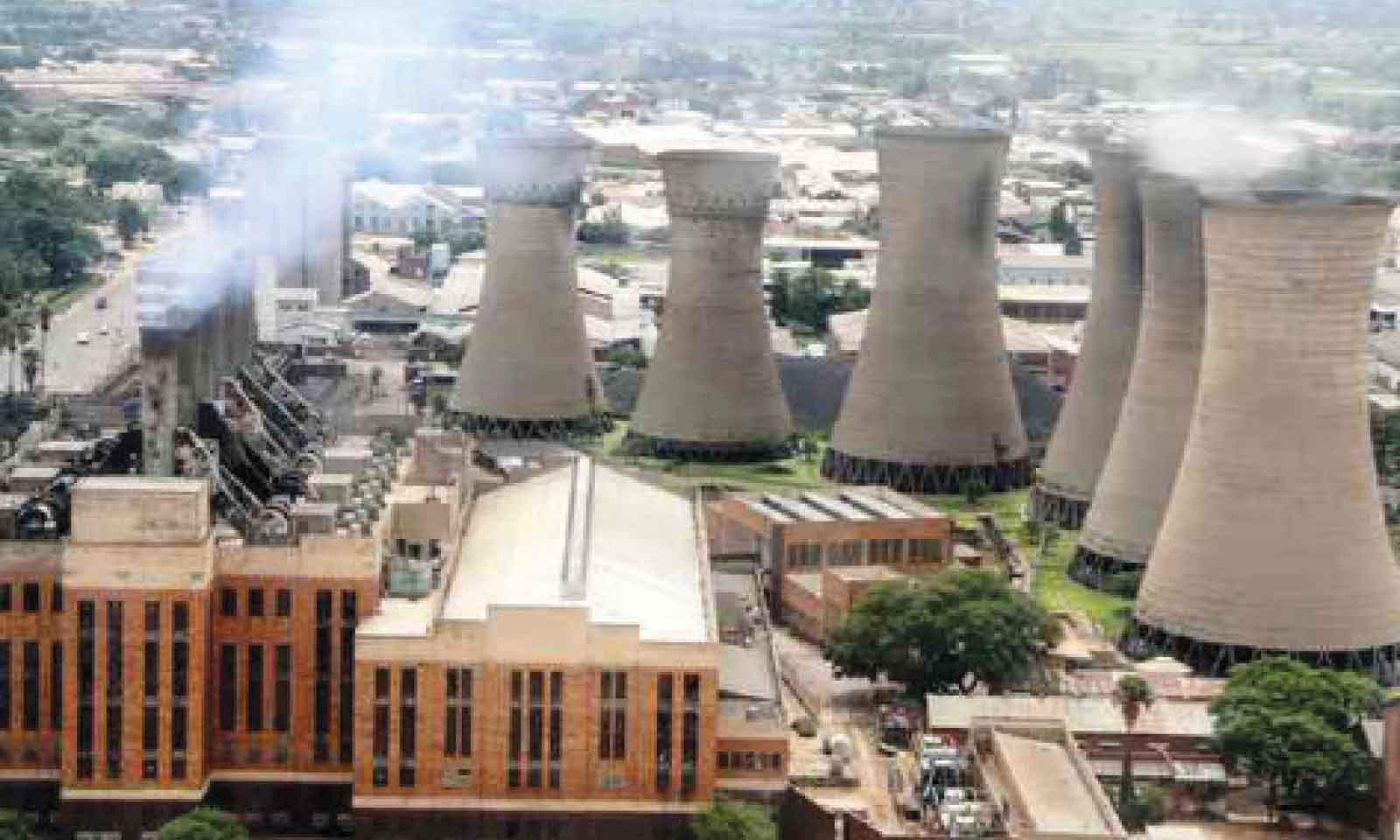
Victoria Mabhayila
AS Zimbabwe continues to industrialise and expand its mining, agricultural, and urban sectors, one critical issue is coming sharply into focus: the urgent need for robust environmental monitoring systems.
Environmental monitoring — the continuous measurement of air, water, soil, and waste conditions — is increasingly recognised as the foundation of sound environmental management. Without it, policymakers, regulators, and industry actors operate in the dark, unable to accurately detect pollution, assess risks, or make informed decisions.
Across the country, the consequences of limited monitoring are already visible. In cities such as Bulawayo and surrounding areas, declining dam capacities linked to pollution highlight the results of inadequate tracking of land degradation and water catchment systems because of siltation build ups. In industrial zones, the absence of continuous air quality monitoring makes it difficult to measure emissions and protect communities from harmful pollutants. Environmental monitoring is not just a technical exercise; it is a strategic necessity.
Why environmental monitoring matters
At its core, environmental monitoring provides reliable, real-time data essential for identifying pollution sources, tracking environmental changes, and ensuring regulatory compliance. This data allows authorities to move from reactive responses to proactive management.
Continuous air quality monitoring, for example, can detect harmful emissions early, enabling industries and regulators to act before pollution reaches dangerous levels. Similarly, water quality monitoring safeguards drinking water sources by identifying contamination before it spreads. Monitoring also strengthens climate resilience. By tracking trends such as rainfall patterns, temperature changes, and water levels, Zimbabwe can better prepare for droughts, floods, and other climate-related risks.
Benefits for Industry and Government
For industry, investing in environmental monitoring brings operational and reputational advantages. Companies can better comply with regulations, avoid penalties, and make data-driven decisions to improve efficiency.
In an era where Environmental, Social, and Governance (ESG) standards carry increasing weight, strong monitoring systems also enhance investor confidence, liabilities and risks reduction at rate of above 20 percent.
For government and regulatory bodies, environmental monitoring strengthens enforcement capacity. Accurate data enables policymakers to hold polluters accountable, craft effective regulations, and ensure that development projects meet environmental standards. Reliable monitoring also supports national planning — informing infrastructure, water resource management, and land-use decisions to ensure growth does not come at the expense of sustainability.
A path forward
Zimbabwe stands at a pivotal moment. While environmental challenges are growing, opportunities to address them through modern monitoring technologies are expanding. Advances in real-time sensors, remote sensing, and data analytics are making it easier than ever to collect and interpret environmental data.
Yet technology alone is not enough. Greater investment, capacity-building, and collaboration between government, industry, and international partners are essential. Strengthening environmental monitoring requires not only tools but also skilled personnel, clear policies and regulations, as well as the effective coordinated action.
Monitoring for accountability and action
Environmental monitoring is about accountability and foresight as well as carrying out duty of care and compliance obligations. It ensures that impacts are measured, understood, and managed rather than ignored.
In May, stakeholders from across Zimbabwe will gather for a national workshop and exhibition on environmental monitoring, hosted by BUMIRA Environmental Consultancy, to explore practical solutions, showcase innovative technologies, and strengthen collaboration across sectors.
Events like these highlight a critical truth: what gets measured gets managed and in the case of Zimbabwe’s environment, effective monitoring may well determine the future health, resilience, and prosperity of the nation.
The environment is health, wealth, and the future; let us all play our part in its protection and monitoring.
l Victoria Mabhayila is an environmentalist.