

 admin
admin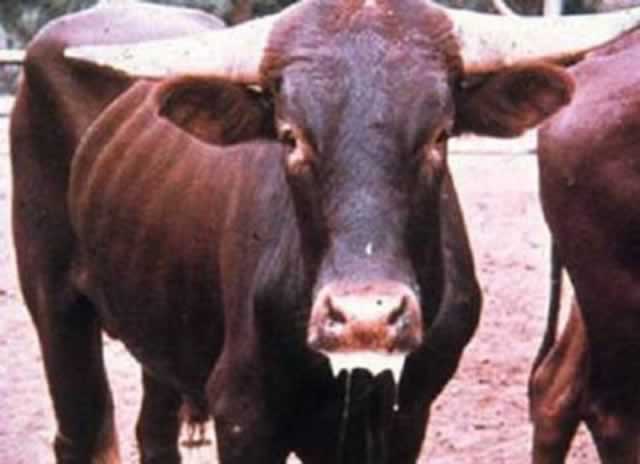
Lesego Valela Herald Correspondent
Farmers breaching the quarantine regulations meant to control foot and mouth disease are largely responsible for the isolated cases recorded in some provinces, the Department of Veterinary Services has said.
Foot and mouth disease is caused by a virus and it affects both domestic and wild animals especially those with cloven hooves with symptoms manifesting in a fortnight including lameness, feet lesions, mouth sores and excessive salivation.
The disease is very contagious as it spreads from one animal to another with buffaloes seen as the natural reservoir in Zimbabwe, making eradication impossible and requiring other measures.
The Vet Department said had it not been for errant farmers the situation was stable. The department controls the spread of the disease largely by strict controls on animal movements and by quarantining any suspected outbreak.
“Sadly, some farmers and traders have not been complying with quarantine orders and this has resulted in the spread of the disease from one area to the other,” read the statement.
“To ensure compliance with movement restrictions, DVS in partnership with ZRP has mounted roadblocks at strategic points across the country,” read the statement.
Those caught moving livestock without a veterinary movement permit risk prosecution and having their animals confiscated and destroyed.
“Farmers and traders are encouraged to move animals under a veterinary permit issued by a veterinary officer all the time and report all newly introduced cattle in your area to the veterinary office,” they said.
Farmers are advised to report all suspected cases of the disease.
“They are to report all lame cattle and all cattle showing excessive salivation. They must never divert any stock for breeding when it is destined for slaughter.
“Farmers must strictly observe quarantine orders when they are given by the veterinary office, when ordered by the veterinary office to herd cattle by day and kraal farmers are to comply with the requirements,” said the Vet Department.
Livestock were a source of income that facilitates the foreign currency generation.
“The successful control of foot and mouth opens access to lucrative regional and international markets for our livestock and livestock products, and so significantly improves farmer incomes, reduces poverty, improves livelihoods, promotes rural development and improves our economy,” said the department.



 Online Reporter