admin
admin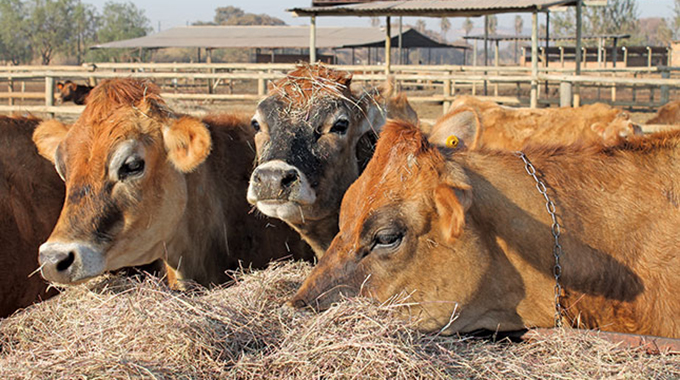
Ashton Mutyavaviri
WITH poverty deaths among cattle reportedly mounting in the country’s arid regions, experts have challenged livestock farmers to prioritise the establishment of dedicated fodder plots to serve as reliable sources of feed and nutrition for their animals in times of extreme weather conditions.
The Agricultural and Rural Development Advisory Services (ARDAS) recently underscored the need for livestock farmers to have at least a plot of fodder and a source of clean water to improve their livestock’s nutrition.
“With limited access to adequate feed and forage due to the absence of sufficient rains farmers are encouraged to have at least a plot of fodder and clean water to feed their livestock,” said ARDAS in a statement.
ARDAS further hinted that the establishment of dedicated fodder plots was crucial for ensuring the survival and productivity of livestock during the challenging times.
Added ARDAS: “Dosing is also a must if farmers have not yet done so while dipping arrangements must by now be in place if that had not yet been done.”
Insufficient rainfall amounts from recent seasons have caused significant reduction of natural grazing lands and left water sources dry, making it increasingly challenging for livestock farmers to meet their animals’ nutritional requirements. As a result, livestock health and productivity matters have been severely impacted leading to weight loss, decreased milk production and a higher susceptibility to diseases.
The production of feed is expected to reduce the cost of commercial feed and improve cattle production and profitability to enable farmers to realise the full value of their livestock.
Livestock farming is at the centre of the rural population’s economic activities, as it serves as a source of income, draft power and milk, which makes it imperative for farmers to protect the cattle sector from poverty deaths.
ARDAS also encouraged farmers to invest in sustainable intensive forage production, as it is critical to sustain livestock and minimise over-reliance on commercial feeds.
Meanwhile, Livestock Farmers Union chairperson Mr Sifiso Sibanda concurred that farmers must intensify fodder production to address the shortage of quality feeds and enhance livestock health.
Mr Sibanda said smallholder cattle farmers were prone to cattle poverty deaths during the dry season, as both feed quality and quantity were compromised during that period.
Fodder, which primarily consists of grasses, legumes, and other crops, serves as a vital source of nutrition for livestock, including cattle, goats, and sheep, h explained.
Added Mr Sibanda: “The intensified fodder production drive is expected to have positive effects on the livestock sector, leading to improved animal health, increased milk and meat production and enhanced farmer incomes. It will also contribute to food security by reducing the country’s reliance on imported animal feeds.”
By cultivating drought-resistant forage crops, farmers can ensure a consistent supply of fodder, reducing their reliance on rain-fed pastures, he further observed.



 Online Reporter