Online Reporter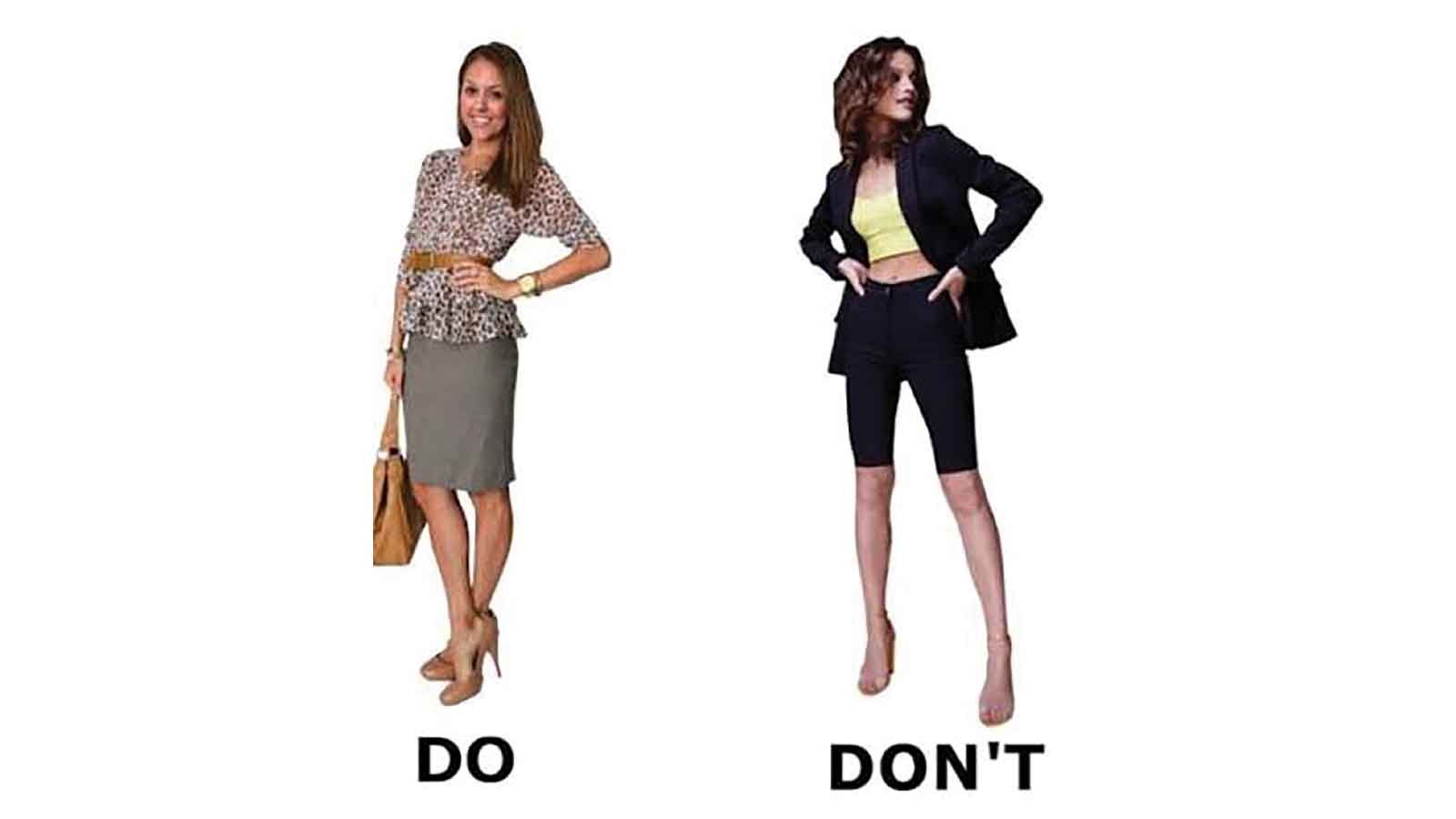
Coach Molly Chuma
Grooming
Etiquette is often associated with formal occasions, yet its true value is seen in ordinary moments. Every greeting, conversation, and interaction gives us an opportunity to show respect.
Good manners are not about status or wealth. They are about making people feel seen, valued, and comfortable. Everyday etiquette strengthens families, workplaces, friendships, and communities.
One of the simplest habits is greeting people warmly. A genuine smile, eye contact, and a pleasant greeting create an atmosphere of respect. Whether you meet a colleague, neighbour, shop assistant, or security guard, acknowledging them demonstrates kindness and emotional intelligence.
Punctuality is another important expression of etiquette. Arriving on time communicates reliability and respect. If you are delayed, inform the other person as soon as possible instead of leaving them wondering. Respecting time builds trust and professionalism.
Listening is one of the greatest gifts we can offer. Many people hear without truly listening because they are distracted by phones or thinking about their next response. Active listening means giving someone your full attention, avoiding interruptions, and responding thoughtfully.
Simple words such as please, thank you, excuse me, and I am sorry remain powerful. They soften conversations, reduce conflict, and communicate humility. Courtesy should never disappear because of familiarity.
Modern etiquette also includes responsible phone use. Keep your phone on silent during meetings, church services, and meals. Avoid scrolling through social media while someone is speaking to you. Being present is one of today’s greatest signs of respect.
Personal space is equally important. Not everyone appreciates physical contact or standing too close. Respecting boundaries shows maturity and consideration for different personalities and cultures.
Dining etiquette applies everywhere, not only in fine restaurants. Chew with your mouth closed, avoid speaking with food in your mouth, and wait until everyone has been served where appropriate. Good table manners make shared meals enjoyable.
Workplace etiquette includes dressing appropriately, communicating respectfully, meeting deadlines, and treating everyone with dignity. Respect should be shown to executives, cleaners, receptionists, drivers, and interns alike. Character is revealed by how we treat people who can do nothing for us.
Public etiquette matters too. Queue patiently, avoid littering, lower your voice in shared spaces, and offer your seat to someone elderly, pregnant, or living with a disability when appropriate. Small gestures contribute to a kinder society.
Digital etiquette is increasingly important. Think carefully before posting online, avoid spreading gossip or misinformation, and ask permission before sharing someone else’s photographs. What we publish shapes our personal reputation.
At home, etiquette begins with family. Speak respectfully, clean up after yourself, express gratitude, and show appreciation for everyday acts of service. The home should be the first place where courtesy is practised consistently.
Many people assume etiquette requires perfection. It does not. It simply requires a willingness to be considerate. We all make mistakes, but apologising sincerely and learning from them demonstrates grace and maturity.
Everyday etiquette is built through consistent habits rather than grand gestures. Holding a door open, allowing another driver to merge, thanking a cashier, or patiently helping someone who is struggling may seem insignificant, but these actions create lasting impressions. Respect is contagious, and kindness often inspires kindness in return.
True elegance is measured not only by appearance but also by behaviour. As Emily Post observed, manners reflect a sensitive awareness of the feelings of others.
When we choose courtesy every day, we strengthen relationships, enhance our professional image, and contribute to a more compassionate society. The smallest acts of respect often leave the biggest legacy.
Coach Molly Chuma is an author, leadership and etiquette coach, and founder of The Luminary Institute of Leadership and Etiquette. She is passionate about equipping individuals and organisations with confidence, professionalism, and timeless etiquette skills./For training, speaking engagements, or consultations, contact +263 771 496 175.