admin
admin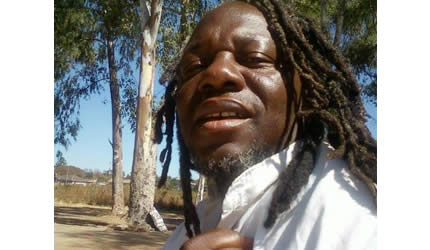
force to reckon with in the mid-eighties to the early 90s with their traditional beat with echoes of Thomas Mapfumo’s Chimurenga.
But as one music critic observed, Vadzimba played the right kind of music at the wrong time. This was in apparent reference to the fact that they were competing against the likes of the Bhundu Boys, Ilanga, Kassongo Band and Transit Crew, whose music enjoyed more airplay.
But as fate would have it, Vadzimba’s life was cut short by squabbles over money. The divorce was sealed in September 1992, when Guveya and his colleagues parted ways, with the two warring parties declaring war on each other if either party dared play music from their two albums after the split.
Guveya went on to form the Black Survivors, which comprised his brother Shepherd, Henry Zengeni, Gibson Nyirenda, David Tapfuma and himself. Although the band met with little success, it provided backing for such celebrated musicians as Tineyi Chikupo, Flavian Nyathi (of “PaNyadzonya” fame) and the late Pio Farai Macheka.
Vadzimba soldiered on, but without Guveya’s songwriting skills, the going proved tough and the band folded soon after.
Guveya joined Vadzimba in 1983 while it was still called Ngoma YeAfrica, which played a raw form of digital reggae. Vadzimba released two LPs, a self-titled effort and “Musha Waparara”. In many ways, “Musha Waparara” (loosely translated things have fallen apart) proved prophetic as two years after its release the band was no more.
Recalls Guveya: “I wrote the song in 1990 and I didn’t have the faintest idea things would turn out the way they did.”
But now nearly 20 years after Vadzimba’s demise, Guveya is on the comeback trail. On Saturday night, he was back on stage as the supporting act for Queen Mashie’s homecoming show at the Book Café and did not disappoint.
There was no sign of stage rust for a man who has spent the last two decades in the wilderness as the guitar maestro gave fans a taste of his latest album “Tinotenda”, whose tracks include “Ndimi Makatisika”, “Charakupa”, “Vakamirira Iwe”, “Musango”, “Maidei”, “Tapera”, “Amai Vayeu” and the title track.
Incidentally, the album was produced by urban groves artiste and former Big Brother housemate Rockford Josphats, whose sister, Algar, is also Guveya’s manager.
A video of “Musango” is already complete and is set to make its debut on ZBCTV shortly. The former Vadzimba frontman is also working on a new album, provisionally titled “Rudo RwaAmai”, which is due for release in August this year.
“My biggest challenge right now is getting recognition after so many years away from the stage,” he bemoaned on the sidelines of Saturday’s show.
“It’s not easy to get shows when you have been away from the business for as long as I have been. It would be a great help if some of the country’s established musicians could invite us to partner them in joint shows to improve our visibility,” he said.
He, however, paid tribute to the Book Café — where they have staged at least half of their shows since embarking on his comeback trail, for their unstinting support.
So what has been Guveya doing all this time?
“After Vadzimba disbanded, and the Black Survivors didn’t do as well as expected, things took a turn for the worse. In 2003, I decided to try my luck elsewhere, so I ended up in Botswana, and later in South Africa where I worked as an auto engineer among other odd jobs,” he said.
With part of his earnings he was able to invest in a new musical kit. The first step of his comeback was complete and soon the Identity Band was born.
Guveya (lead guitar, lead vocals and chief composer), Artwell Mugova (bass guitar), Washington Mendi (drums), Jerry Chiusaru and Oliver Shuhwa (both mbira), Freemantle Nhembo (marimba), Lisbert (hosho) and dancers Miriam Murazha, Nyasha Murazha and Eva Demba make up the 10-member outfit.
The Identity Band frontman, who describes his music as Chimurenga, was born in Harare of Mozambican parents on December 20, 1961. Guveya is married to Amanda, with whom he has two children. He has another four children with his first wife, now deceased.


 Online Reporter