Online Reporter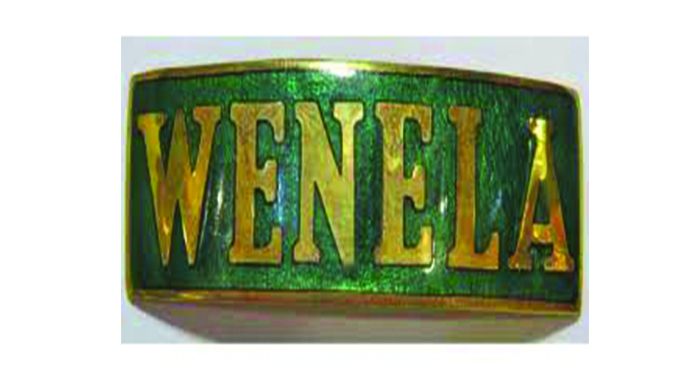
Sikhumbuzo Moyo
EX-WENELA workers in Zimbabwe seeking compensation for permanent lung damage caused by silicosis and work-related tuberculosis will officially begin accessing services from next month, it has been announced.
This marks a significant step in assisting thousands of Zimbabwean miners who worked in South African gold mines under the Witwatersrand Native Labour Association (Wenela) between March 1965 and December 2019, many of whom have been waiting for compensation for years.
The commencement of the process coincides with the signing of a Memorandum of Understanding (MOU) between the Tshiamiso Trust and the Government of Zimbabwe through the National Social Security Authority (NSSA) in Harare on Wednesday, formalising cooperation between the two entities to ensure access to compensation for eligible former mineworkers and their dependents.
In a joint statement, the two organisations said following a competitive Request for Proposals (RFP) process, Baines Occupational Health Services was appointed in November 2024 as the accredited service provider to conduct both lodgement and Benefit Medical Examination (BME) services.
Clinics in Harare, Gweru and Bulawayo will begin assisting claimants from November 2025.
Tshiamiso Trust Chief Executive Officer Dr Munyadziwa Kwinda said the launch of these services represents a critical milestone in the Trust’s regional mandate to reach eligible claimants across Southern Africa.
“We are honoured to mark this moment in partnership with the Government of Zimbabwe and NSSA. Thousands of Zimbabwean ex-mineworkers have been waiting for Tshiamiso Trust services to commence so that they can access compensation that they may qualify for.
Today’s agreement means they can now lodge their claims and complete the medical assessments required to determine their eligibility for compensation. This is about restoring dignity and delivering on the promise made to the men and families who built the mining industry,” said Dr Kwinda.
NSSA Chief Executive Officer, Dr Charles Shava, welcomed the partnership, describing it as an important step in social protection for former mineworkers and their families.
He said Zimbabwe is home to many who spent their working lives in South Africa’s mines and returned home with illnesses that changed their futures.
“Through this collaboration, we are ensuring that those who qualify can now access the compensation due to them, closer to where they live. NSSA remains committed to working with regional partners like Tshiamiso Trust to expand social security and strengthen cross-border protection for our workers,” said Dr Shava.
To lodge a claim, one must have carried out risky work at one of the qualifying gold mines during the qualifying periods between 12 March 1965 and 10 December 2019.
Living mineworkers must have permanent lung impairment from silicosis or TB that they contracted while doing risk work at these mines.
“If the mineworker did less than five years of risk work, they will need to pay R1900 (South African Rand) for the Benefit Medical Examination (BME), which will be paid back to them if they have an eligible claim. Those who did more than five years of qualifying risk work will receive a free BME,” reads the statement.
The statement further added that for deceased mineworkers, there must either be evidence that they died from work-related TB within a year of leaving the mine if it’s a TB claim, or evidence that they had silicosis (if the mineworker died between 1 January 2008 and 10 December 2019) or died from silicosis.