admin
admin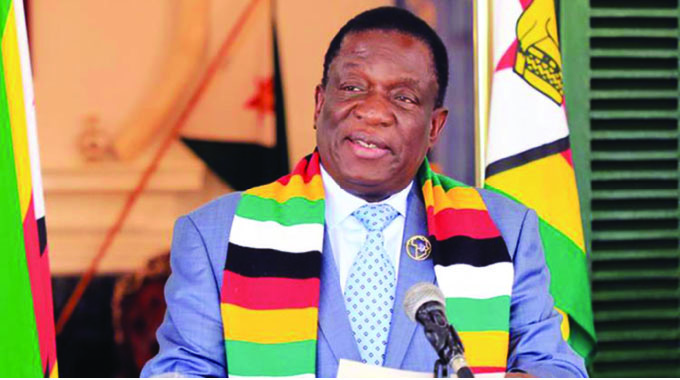
Dr Masimba Mavaza
President Mnangagwa’s recent jest about election rigging during a gathering with business executives in Victoria Falls has stirred mixed reactions.
While some quarters have criticised it as an inappropriate admission, it is crucial to view it in the context of humour and the President’s jovial demeanour.
The incident unfolded during the President’s address to business leaders when he playfully mentioned the topic of rigged elections.
The opposition swiftly seized upon this statement, elevating it to a confession of electoral manipulation. However, it is essential to clarify that ZANU PF is primarily known for winning elections, not rigging them.
Allegations of rigging often emerge from losing parties as they grapple with defeat.
President Mnangagwa is well-known for his humour, often peppering his speeches with jokes to engage his audience. Humour is a humanising tool, and it allows the President to establish a rapport with those he addresses, breaking down barriers that often exist between leaders and their audiences.
In the United States, a “National Presidential Joke Day” is observed annually on August 11. This unofficial holiday acknowledges and celebrates the humour occasionally displayed by American presidents, even in the highest office. These moments of wit, whether spontaneous or carefully crafted, can humanise political figures and make them more relatable to the public.
President Mnangagwa is no stranger to the power of humour. He frequently lightens the atmosphere during his speeches, turning what could be sombre occasions into more relaxed and engaging interactions.
His jokes and quips are well-received by many, endearing him to the public as a leader who can make people laugh and break the tension.
The recent incident where some American press and social media misinterpreted the President’s remarks highlights the importance of understanding the context and the intent behind such humour.
In 1984, President Ronald Reagan’s famous “bombing” joke during a sound check sparked an international incident. However, it was later recognised as a humorous misstep, leading to the establishment of National Presidential Joke Day.
Jokes by presidents are not universal and are often unique to the individual.
In President Mnangagwa’s case, his humour reflects his character and personal style, and it may not translate the same way if repeated by others.
Laughter and humour, well-delivered, can enhance a president’s likability and credibility. Humour fosters a sense of connection between leaders and their audiences, making political figures more relatable and fostering a shared understanding.
When a president makes people laugh, it suggests that they can govern in a way the public appreciates.
President Mnangagwa’s recent jest about election rigging should be understood in the context of his humour and style. While some may misconstrue it, it is a reflection of his down-to-earth and approachable demeanour.
The use of humour in political discourse is a valuable tool, one that can bridge the divide between leaders and the people they serve.
It is therefore humorous that the President’s humour created more humour.
Humour cuts right past that. It gives us, really, a more authentic reaction, that we cannot often hold back our laughter to really humorous line and let us connect with these politicians in a way that other arguments simply cannot.
If politicians can make us laugh, we can spin a fantasy that they will also govern in a way that we will like. This shows we really know who they are because if you and I laughed at the same joke, we must share some common knowledge and dispositions. And that is often what we are looking for in candidates.
The joke showed a little bit humbleness on his part, which certainly was called for in those circumstances.
For those who failed to understand the joke by His Excellency it is a shame because the President is a down to earth man who jokes with everyone.
[email protected]


 Online Reporter