Online Reporter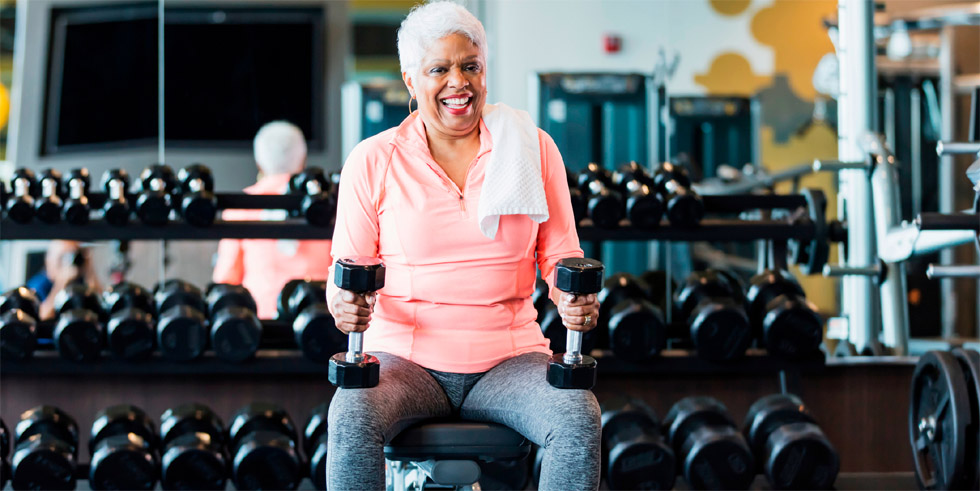
MODERATE physical activity may benefit seniors’ overall health.
You can incorporate activities like walking and aerobics with strength training exercises.
Exercising after 60 is, not just beneficial, it is transformative. Here is why staying active in your senior years is one of the best investments in your health and happiness:
Physical and mental health benefits
Improves brain health:
Regular exercise reduces the risk of dementia and depression.
Boosts immunity:
Moderate activity can lower the risk of respiratory illnesses and reduce
sick days.
Manages chronic conditions:
Helps control arthritis, heart disease, diabetes, and high blood pressure.
Strengthens bones and
muscles: Prevents bone loss and improves muscle tone,
reducing the risk of fractures.
Mobility and independence
Enhances balance and
coordination: Reduces fall risk, which is crucial for
maintaining independence.
Relieves joint pain:
Especially helpful for osteoarthritis—strengthens muscles around joints
and improves lubrication.
Supports daily function:
Makes everyday tasks easier and helps seniors live independently longer.
Emotional wellbeing
Reduces anxiety and
depression: Physical activity releases endorphins and
improves mood.
Improves sleep quality:
Even a single session of moderate exercise can help you sleep better.
Boosts self-confidence:
Feeling stronger and more capable enhances self-esteem.
Safe and effective activities
Swimming:
Gentle on joints, great for heart health and mobility.
Yoga:
Builds flexibility, posture, and relaxation chair yoga is a great option.
Cycling:
Strengthens legs and boosts stamina stationary bikes are a safe indoor
choice.
If you are just getting started, begin with low-impact activities and
gradually build up. The goal is not to compete it is to stay vibrant, mobile,
and joyful.
If you are an older adult looking to establish an exercise
routine, you should, ideally, be able to incorporate 150 minutes of moderate
endurance activity into your week. This can include walking, swimming, cycling,
and a little bit of time every day to improve strength, flexibility, and
balance.
There
are dozens of exercises you can do to build strength without having to set foot
in a gym. Here are a few examples for people who are just getting started.
Here
are some of exercises that can also be done.
Abdominal contractions
To increase strength in the abdominal muscles
1.
Take a deep breath and
tighten your abdominal muscles.
2.
Hold for three breaths and
then release the contraction.
3.
Repeat 10 times.
Wall pushups
To increase strength in the chest and shoulders
1.
Stand about three feet away
from a wall, facing the wall, with your feet shoulder-width apart.
2.
Lean forward and place your
hands flat on the wall, in line with your shoulders. Your body should be in
plank position, with your spine straight, not sagging or arched.
3.
Lower your body toward the
wall and then push back.
4.
Repeat 10 times.
Pelvic tilts
To strengthen and stretch muscles in the lower back
1.
Take a deep breath, tighten
your buttocks, and tilt your hips slightly forward.
2.
Hold for a three-count.
3.
Now tilt your hips back, and
hold for three seconds. (It is a very subtle movement.)
4.
Repeat eight to 12 times.
Shoulder blade squeeze
To strengthen postural muscles and stretch the chest
1.
Sit up straight in your
seat, rest your hands in your lap, and squeeze your shoulder blades toward one
another.
2.
Focus on keeping your
shoulders down, not hunched up toward your ears, and hold for three seconds.
3.
Release and repeat eight to
12 times.
Toe taps
To strengthen the lower legs
1.
Sitting in a chair and
keeping your heels on the floor, lift your toes high enough that you can feel
the muscles along your shin working. (This helps keep blood circulating in your
legs and also strengthens the lower leg.)
2.
Repeat 20 times.
Heel raises
To strengthen the upper calves
1.
Sitting in a chair, keep
your toes and the balls of your feet on the floor and lift your heels.
2.
Repeat 20 times.
Knee lifts
To strengthen the thighs
1.
Seated in a chair, with your
arms resting but not pressing on the armrests, contract your right quadriceps
muscles and lift your leg. Your knee and the back of your thigh should be two
or three inches off the seat.
2.
Pause for three seconds and
slowly lower your leg.
Complete eight to 12
repetitions and then repeat with the opposite leg. – Online.