admin
admin
debate about the current state of socio-environmental affairs.
If art in Zimbabwe is to be seen as a barometer of our socio-cultural milieu and our environment, both natural and man-made, then their art exhibition Tabvezera (Coming of Age), bears testimony to this idea.
Setting the tone
The cultural and aesthetic manifestations of present-day Zimbabwe take into consideration various socio-cultural environments.
The also set the tone for re-planning the future egalitarian society in Zimbabwe, which many young artists and citizens aspire.
Among the young artists taking part in this exhibition are those that aspire for socio-cultural progress and question the history and current existence of environmental and cultural disorder clearly visible in many urban spaces of Zimbabwe today.
They draw the viewer to reflect not only on new methods and modes of art making, but also on important socio-cultural facets of our collective life as Zimbabweans.
Introspective artists
These perspective young artists have become more introspective and more questioning on what makes us Zimbabweans and on the space we occupy.
The work displayed is not negative or confrontational; rather it draws our attention to a positive.
It is proactive ideology of recouping, recycling and re-arranging discarded material and creating thought-provoking art out of urban debris.
Paintings, photographs, prints and assemblages depicting the varying rural and urban realities that affect us, as citizens, and transform the urban landscape into imagery makes the work accessible, visual and conversational.
Social fabric
The artworks give us an insight into the role that art and culture can play in weaving the social fabric of our daily lives and rehabilitating the urban chaos found in our urban environment.
Statements such as these from mid-career and neophyte artists capture the factual pulse of the city, today in 2013.
Their vision tells of the here and now, with statements reaching out to challenge us to create a better and brighter tomorrow.
The visual arts are a recognised national attribute of the country.
These young artists from the Harare Polytechnic attest to the originality, creativity, wisdom and foresight of Zimbabwean people.
They have elucidated the multiple facets of our social collective life as a nation.
New horizons
It is only befitting that they receive the patronage and support of the public, for posterity and leave carbon-free footprints in the vision of the youth of tomorrow.
These new artists have played their part in creating new horizons for the future of art in Zimbabwean society.
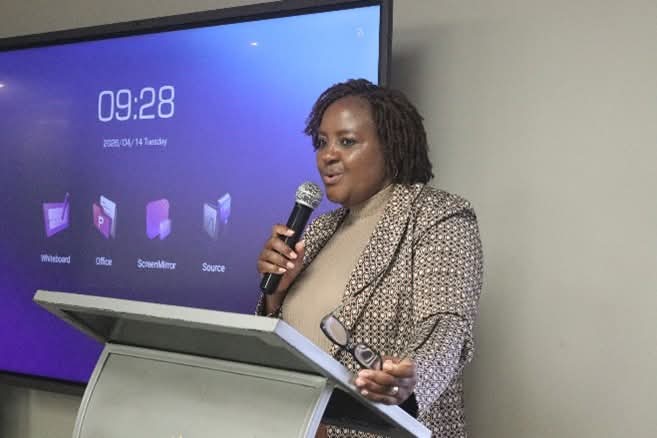
Curated by Masimba Hwati, a prominent professional artist and visual arts lecturer, the show was opened by the deputy ambassador and well co-ordinated by Jillian Bonnardeaux, the deputy public affairs officer, is currently on display in the library at the Public Affairs Section of the Embassy of the United States at Eastgate.
Dr Tony Monda holds a PhD in Post-Modern Art Theory and a Doctorate in Business Administration in Post-Colonial Art and Heritage Studies. He also holds a Law and Art Diploma from Georgetown University, Washington, DC, and worked with Wala (Washington Area Lawyers Association). He studied law and photography at the Corcoran School of Art, Washington, DC, USA. He is also a practising artist, art critic, author, designer and corporate image consultant


 Online Reporter