admin
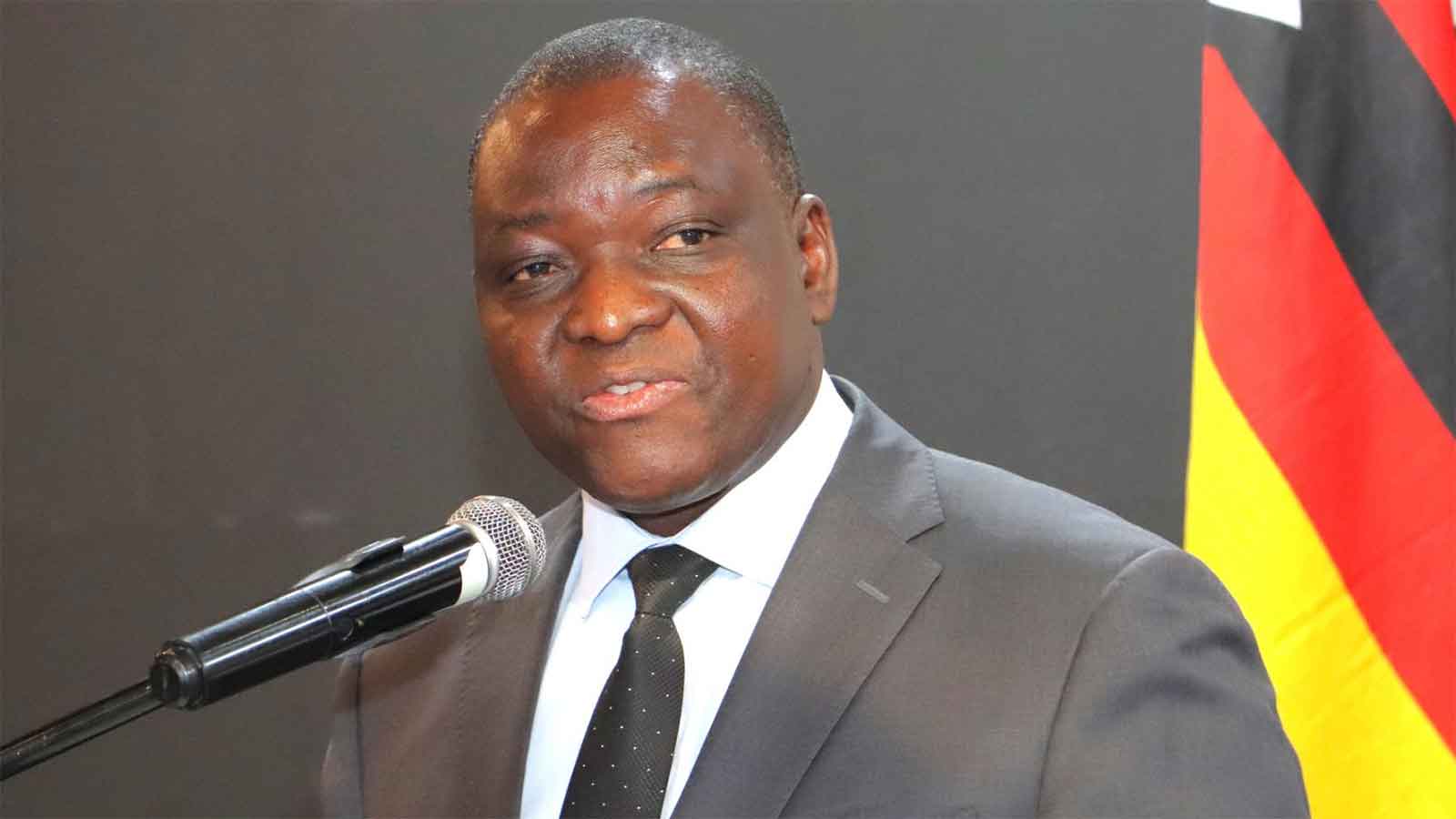
admindeputy chief secretary of Economic Research and Policy Analysis in the Office of the President and Cabinet Retired Colonel Christian Katsande has said.
He was speaking at a workshop on legislative and institutional support frameworks for social dialogue systems in Kadoma yesterday.
“An important structure such as the TNF can no longer be left to operate on an ad hoc basis.
“It is indeed high time that the TNF acquired a legal persona that would give it a respectable status. As a new entity, the TNF would have a credible basis for transacting business as its principles, processes and procedures would have effect at law,” he said.
The workshop was also focused on the establishment of an independent secretariat, restructuring of the TNF, and the determination of resource mobilisation strategies for the social dialogue platform. It is also anticipated that a specific TNF legislation will further strengthen the rules of engagement and simultaneously cultivate a culture of trust and confidence TNF processes.
Retired Colonel Katsande however added a caveat, saying that an effective TNF structure was one based on a conducive macro-social environment. “It is nevertheless important to note that legislation of the TNF is not a panacea to all the challenges that the TNF faces. Meaningful and sustainable dialogue cannot be a function of legislation alone.
“Progressive social dialogue will continue to be a function of the presence of other enabling factors such as the exercise of tolerance, restraint and accountability towards each other by social partners,” he said.
The workshop also carried out a comparative study between the local TNF structures and the National Economic Development and Labour Council (NEDLAC) of South Africa, which is an internationally-reputed social dialogue platform. In July 2009, a local tripartite delegation undertook a study visit to NEDLAC.
The purpose of the visit was to learn more about the NEDLAC platform’s set-up and its terms of operation.
It was noted at the workshop yesterday that the South African model’s greatest strength lies on its legislative authority, and its comprehensive rules of procedures as articulated in its constitution. The workshop therefore sought to craft a legislative support instruments for the local TNF, based on the NEDLAC case study.
The TNF, which was established in 1998, has been a critical tool for the country’s socio-economic progress insofar as it has been bringing together Government, business and labour to deal with the range of significant socio-economic challenges.


Online Reporter
- Herald
- July 23, 2026
- 12 views
Women empowerment a top priority: President
Zvamaida Murwira Senior Reporter GOVERNMENT has prioritised women empowerment through funding projects, expanding maternal healthcare services and increasing their participation in decision-making positions, President Mnangagwa has said. The Second Republic,…