Online Reporter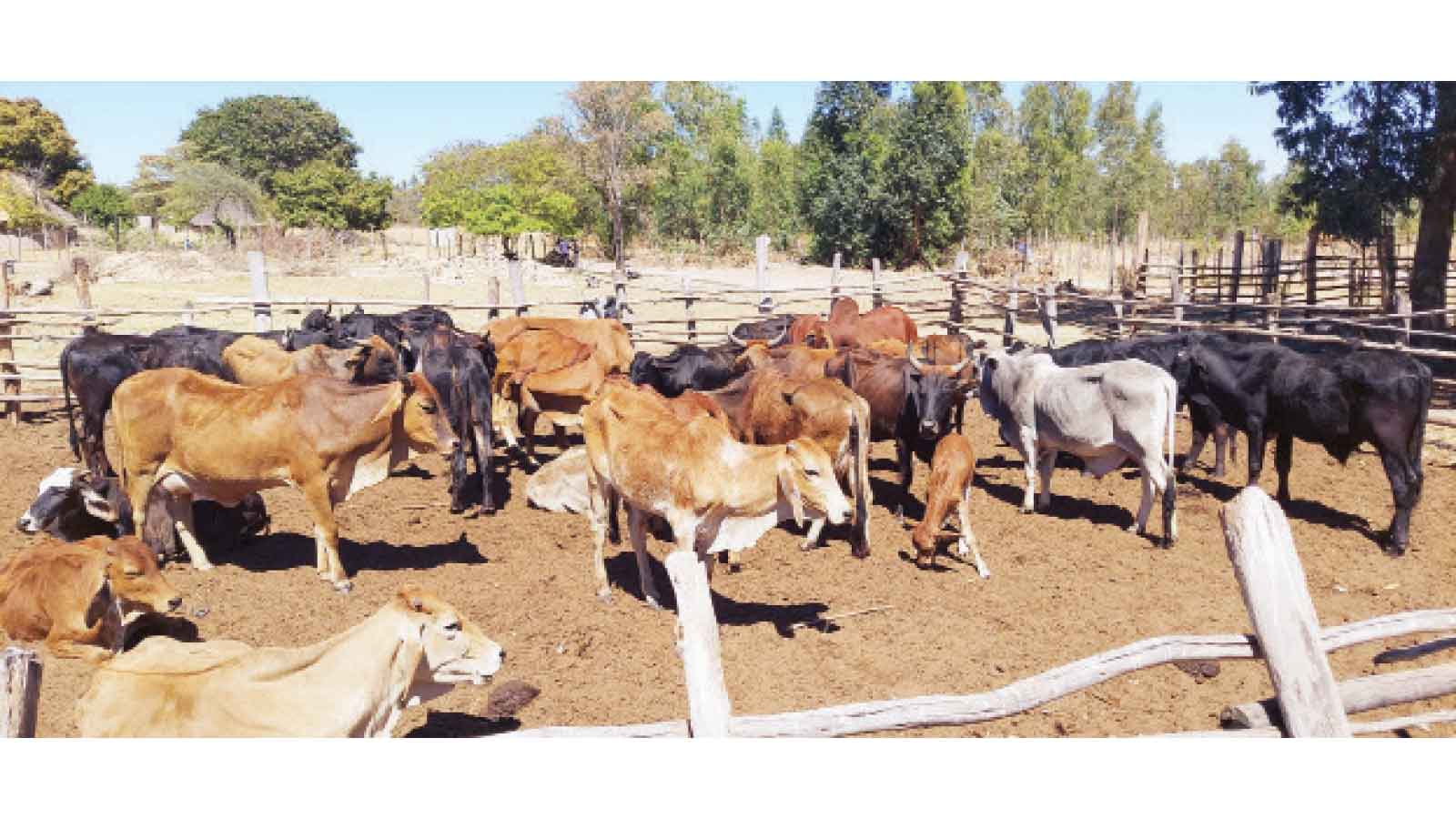
Sikhulekelani Moyo, [email protected]
LIVESTOCK experts have urged farmers to step up winter preparedness measures by prioritising animal nutrition, disease control and water availability to protect livestock from harsh cold conditions and maintain healthy body condition scores.
As Zimbabwe’s agriculture sector continues to transform, the livestock sub-sector remains a critical pillar for rural livelihoods, food security and national economic stability.
However, recurring challenges such as disease outbreaks, poor nutrition and stock theft continue to undermine productivity and growth in the sector.
In an interview, Matabeleland South provincial livestock specialist Mr Hatitye Zondai said farmers should take proactive measures to ensure animals remain warm, healthy and productive throughout the winter season.
“As winter approaches, here are some advisories for livestock farmers: farmers are encouraged to provide adequate shelter, ensure animals have dry, windproof shelters to protect against cold stress, especially poultry, pigs, donkeys, and rabbits,” said Mr Zondai.
“On nutrition, offer high-energy feed to help animals maintain body heat. Consider supplements if needed. Prepare high-quality hay and add urea to treat your stover.
“On water access, ensure clean water is available; animals need it to stay hydrated and healthy.”
Mr Zondai said farmers should also closely monitor the health of their livestock during winter and vaccinate animals against common seasonal diseases.
He added that farmers should prioritise key husbandry practices such as hoof care, dehorning, castration and debarking to improve overall animal health and management.
Zimbabwe’s winter season, which usually begins around May, often presents serious challenges for livestock farmers as low temperatures affect animal growth, reproduction and productivity.
During winter, cattle are forced to acclimatise to colder conditions by developing thicker skin and increasing body heat production to maintain normal body temperatures. Experts say this process increases feed requirements significantly, making proper nutrition critical during the dry season.
Livestock experts said animals, particularly weaker cattle and those close to calving, should receive adequate feed and supplements during winter to minimise weight loss and reproductive complications.
Proper winter nutrition and environmental management play a key role in preserving a cow’s internal body temperature. Experts say feed demand in cattle can increase by as much as 20 percent during cold weather.
Renowned farmer Mr Obert Chinhamo has urged farmers to deworm livestock before the onset of winter to ensure animals remain parasite-free. He also stressed the importance of consistent dipping, warning that January disease cases often rise during and after winter.
Mr Chinhamo said farmers should also bale grass in preparation for the dry season, construct effective fire guards, make silage and properly store crop residue for winter supplementation.
“Farmers should start feeding winter supplements like mabiko, nhapitapi and others. Make sure water is available and also keep appraising body score condition so as to know what to do,” said Mr Chinhamo.
Experts further warned that poor winter management can reverse gains made during summer due to excessive weight loss in livestock.
They said inadequate nutrition during winter can delay puberty in heifers, prolong postpartum oestrous periods in cows and negatively affect breeding performance.
Failure to provide sufficient minerals and supplementary feed during cold weather also reduces reproduction rates, slowing herd growth and weakening productivity in the livestock sector.