Online Reporter
Judith Phiri, Zimpapers Business Hub
EXPERTS have called for the development of a comprehensive waste management legislation that will ensure the country explores practical and evidence-based solutions for managing urban waste more sustainably.
This comes as Zimbabwe’s urban areas face a growing waste management crisis, driven by rapid urbanisation, limited infrastructure and weak enforcement of waste laws.
In an online webinar on Urban Waste Management in Zimbabwe: Challenges and Policy Solutions, hosted by the Public Policy and Research Institute of Zimbabwe (PPRIZ) on Thursday, experts said a well-structured and enforced waste management legislation was crucial for Zimbabwe.
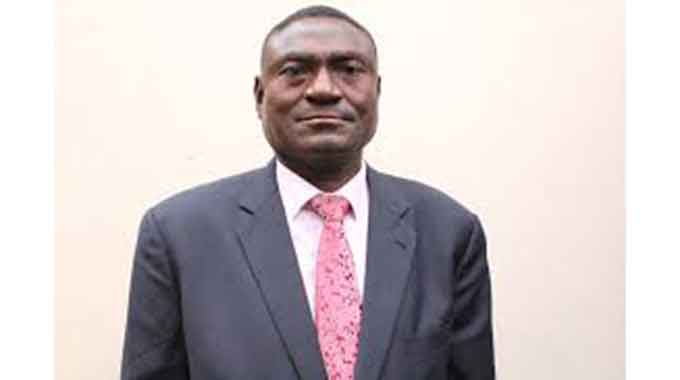
Development and Peace Studies expert, Mr Didymus Dewa said rapid urban population increases have outpaced waste management capacity.
“This is leading to overburdened systems manifesting through institutional and governance weaknesses. In the country there is inadequate waste collection services this are not regular and reliable waste collection resulting in the accumulation of waste in streets and public spaces,” he said.
On policy suggestions to sound solid urban waste management, he said there was need for simultaneous urban development with urbanisation.
Mr Dewa said financial devolution-funding and resources allocation towards urban waste management was critical.
“There is also need for capacity enhancement of local authorities through technology for them to be able to carry out smart waste management through ICT and artificial intelligence (AI) to optimise waste collection, route planning and bin monitoring with global positioning system (GPS)-enabled waste trucks, smart bins with sensors, mobile apps for reporting waste overflows,” he added.
Lupane State University (LSU) lecturer, Ms Chipo Chaora who is an Urban Planning and Governance specialist said in Bulawayo, waste generation was growing due to changing consumption patterns.
“According to ZimStat statistics, in 2022 the city had a total population of 665 952 and the waste collection was deteriorating. The solid waste composition of Bulawayo include soft plastics, hard plastics, organic waste, paper, metals and electronic waste among other things. Household waste make up greater composition of municipal solid waste, approximately 55 percent to 80 percent according to scholar research,” she said.
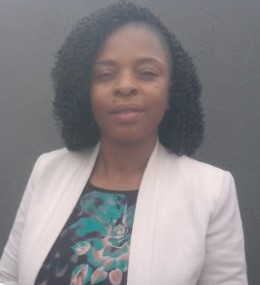
She called for a paradigm shift towards integrated and circular waste management, while also strengthening governance and policy frameworks.
Ms Chaora said institutional capacity building through national policy development, legislative and regulatory reforms will go a long way.
Public Health expert, Ms Leave-it Ncube said there was need to reduce, re-use, refuse, recycle and repurpose solid waste.
She said it should now be made law that different types of waste should be placed in designated dustbins in red, blue, green and yellow to facilitate proper recycling and disposal.