
Mkhululi Ncube [email protected]
MEDICAL experts have called for more research into hydrocephalus and spina bifida to improve diagnosis, treatment and support for affected people, including adults who may develop symptoms of hydrocephalus later in life.
The call was made during the sixth hydrocephalus and spina bifida commemorations hosted by the Hydrocephalus Association Trust of Zimbabwe at Mpilo Central Hospital in Bulawayo.
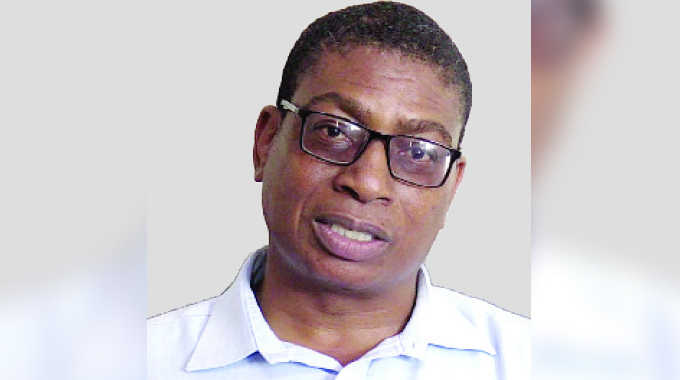
Ingutsheni Central Hospital chief medical officer Dr Nemache Mawere, who was representing the National University of Science and Technology (Nust) Medical School, said significant research gaps remained in understanding the conditions, their long-term effects and the challenges faced by patients and caregivers.
Hydrocephalus occurs when cerebrospinal fluid, which cushions and protects the brain and spinal cord, accumulates abnormally in the brain’s ventricles. Spina bifida is a birth defect that occurs when the spine and spinal cord do not develop properly during pregnancy.
Dr Mawere said hydrocephalus was commonly associated with children, yet a form of the condition known as normal-pressure hydrocephalus could affect older adults and present with symptoms that resemble dementia or other neurological and mental health conditions.
“We need to assess the issue of caregivers who look after those with the condition. There are many beliefs associated with hydrocephalus, with some people believing that a child was bewitched.
Mothers also face many challenges, including being abandoned by their husbands,” he said.
“There are also many mental health-related issues that occur alongside these conditions. We need to research this so that we have full information.”
Dr Mawere said research should also examine the financial burden on families, the quality of life of children fitted with shunts to drain excess cerebrospinal fluid and the effects of different treatment approaches.
He said it was important to understand how traditional and spiritual healing practices influenced patients and their families, including any potential benefits or harm.
Dr Mawere said normal-pressure hydrocephalus in older people could be overlooked if symptoms were mistaken for other conditions.
“The interesting one for me is normal-pressure hydrocephalus, which can present with symptoms that resemble mental illness and may be seen in the elderly. It can present as dementia, among other symptoms,” he said.
“If you do not investigate the history properly, you may not be able to identify the condition. We normally associate hydrocephalus with children, but those above 60 may also be affected. It needs to be looked into.”
Dr Mawere said shortages of resources were limiting investigations, including access to magnetic resonance imaging (MRI) and computed tomography (CT) scans for patients presenting with symptoms that could indicate neurological conditions.
Hydrocephalus Association Trust of Zimbabwe director Pastor Lyn Ndlovu said mothers caring for children with hydrocephalus or spina bifida often faced demanding, round-the-clock responsibilities.
“These mothers may have other children, but they are forced to give all the attention to the child with either hydrocephalus or spina bifida. It is a big challenge for women, and we need the community to support them,” she said.
“This is a lifelong condition. We need early diagnosis because, with that, there is hope.”
Pastor Ndlovu said stigma and body-shaming had resulted in some children with the conditions being hidden from public view.
She said affected children could lead fulfilling lives when they received appropriate medical care, family support and acceptance from their communities.
Minister of State for Bulawayo Provincial Affairs and Devolution Judith Ncube, represented by Dr Brian Matoro from the provincial medical directorate, welcomed the establishment of a specialised ward for children affected by the conditions.
She also commended progress in ensuring the availability of shunts, which are essential in managing many cases of hydrocephalus.
“I am particularly encouraged by the progress made in addressing challenges associated with the availability of shunts, which are essential in the management of many cases of hydrocephalus.
“We understand that there has been a welcome period without reported shunt-related supply challenges. This is an encouraging development that deserves recognition,” said Minister Ncube.
She commended the Hydrocephalus Association Trust of Zimbabwe and its partners for supporting children affected by the conditions.
The minister also condemned the stigma faced by affected children, saying they deserved dignity and opportunities to achieve their dreams and aspirations.
“Parents and caregivers must also receive the support they need. Caring for a child with a complex medical condition can be demanding, and families should not have to bear this responsibility in isolation,” she said.
“I therefore encourage communities, schools, churches, healthcare institutions, civil society organisations and other stakeholders to work together in creating a supportive environment for affected children and their families.”
This year’s commemorations, observed internationally on October 25, were held under the theme:
“A Lifetime of Experiences: From Preconception to Ageing.”


