Online Reporter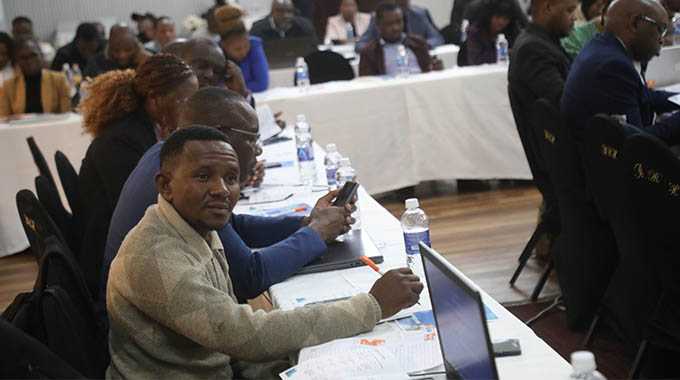
Andile Tshuma, Zimpapers Writer
LOCAL think tanks and policy experts have called for innovation, political will and regional collaboration to end Bulawayo’s deepening water challenges, as the city begins exploring the use of recycled water for industrial and non-domestic purposes.
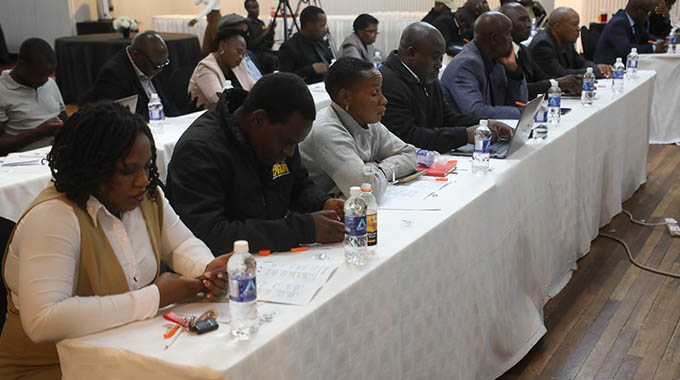
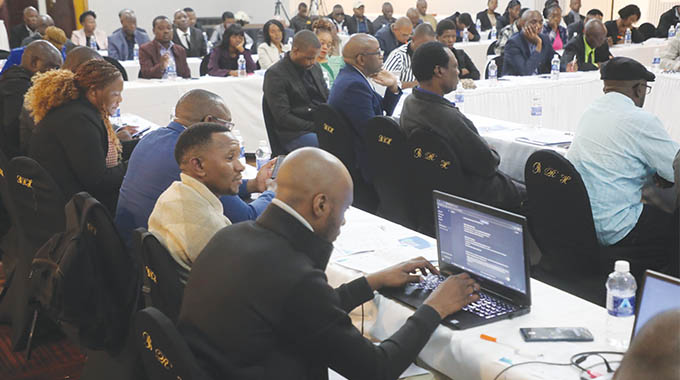
Speaking at the Matabeleland Water Indaba on Thursday, held under the theme “Rethinking Sustainable Water Strategies for Matabeleland”, delegates to the Public Policy Research Institute of Zimbabwe (PPRIZ)-organised meeting said the city’s water problem has reached a tipping point that demands both scientific and political solutions.
Dr Gorden Moyo, Director of PPRIZ, said the region must rethink funding models and embrace technology to make stalled water projects a reality.
“We need innovative financing mechanisms and stronger regional partnerships. The crisis requires not just engineering solutions,” he said.
Bulawayo loses about 46 percent of its treated water through leakages in its ageing infrastructure — a major driver of the city’s 130-hour water-shedding schedule.
Experts say reducing non-revenue water losses to around 30 percent could inject millions of litres back into the system, allowing residents to access water more frequently while longer-term supply projects are pursued.
Ward 25 Councillor Aleck Ndlovu, representing Mayor David Coltart, said council is conducting feasibility studies on the use of recycled water for industrial and non-domestic use, drawing inspiration from Windhoek, Namibia, which has successfully implemented water reclamation for decades.
“We are examining all possible technologies to secure Bulawayo’s water future. Recycled water can sustain industry and ease pressure on domestic supplies,” said Clr Ndlovu.
He said the city requires at least US$14,5 million to overhaul its water infrastructure, while also banking on projects such as Glass Block and Bopoma Dams, and the Lake Gwayi-Shangani project, to improve supply.
Dr Langa Bright Moyo, a researcher at the National University of Science and Technology (Nust), urged authorities to translate research into actionable policy.
“Bridging the gap between academia and practice is key. Our research on sustainable water management must inform council planning,” Dr Moyo said.
Dr Sipepa Nkomo, a former Minister of Water Resources during the Inclusive Government era, added that Matabeleland’s water challenges demand decisive action.
“Without political will, sound planning and regional collaboration, the region could face a prolonged water crisis,” he warned.
The indaba also featured insights from Gauteng Province in South Africa, represented by a Zimbabwean water expert, Mr Freeman Masuku, who outlined how the province is managing its own acute water shortages through improved leak management and technology-driven monitoring systems.
Organisers said the platform was about moving from talk to action, focusing on practical solutions that can make Bulawayo water-secure in the long term.
With dam inflows dwindling and climate shocks intensifying, experts agree that recycled water, efficient infrastructure, and decisive leadership could hold the key to keeping Bulawayo flowing.