Sifelani Tsiko-Fact Check Editor
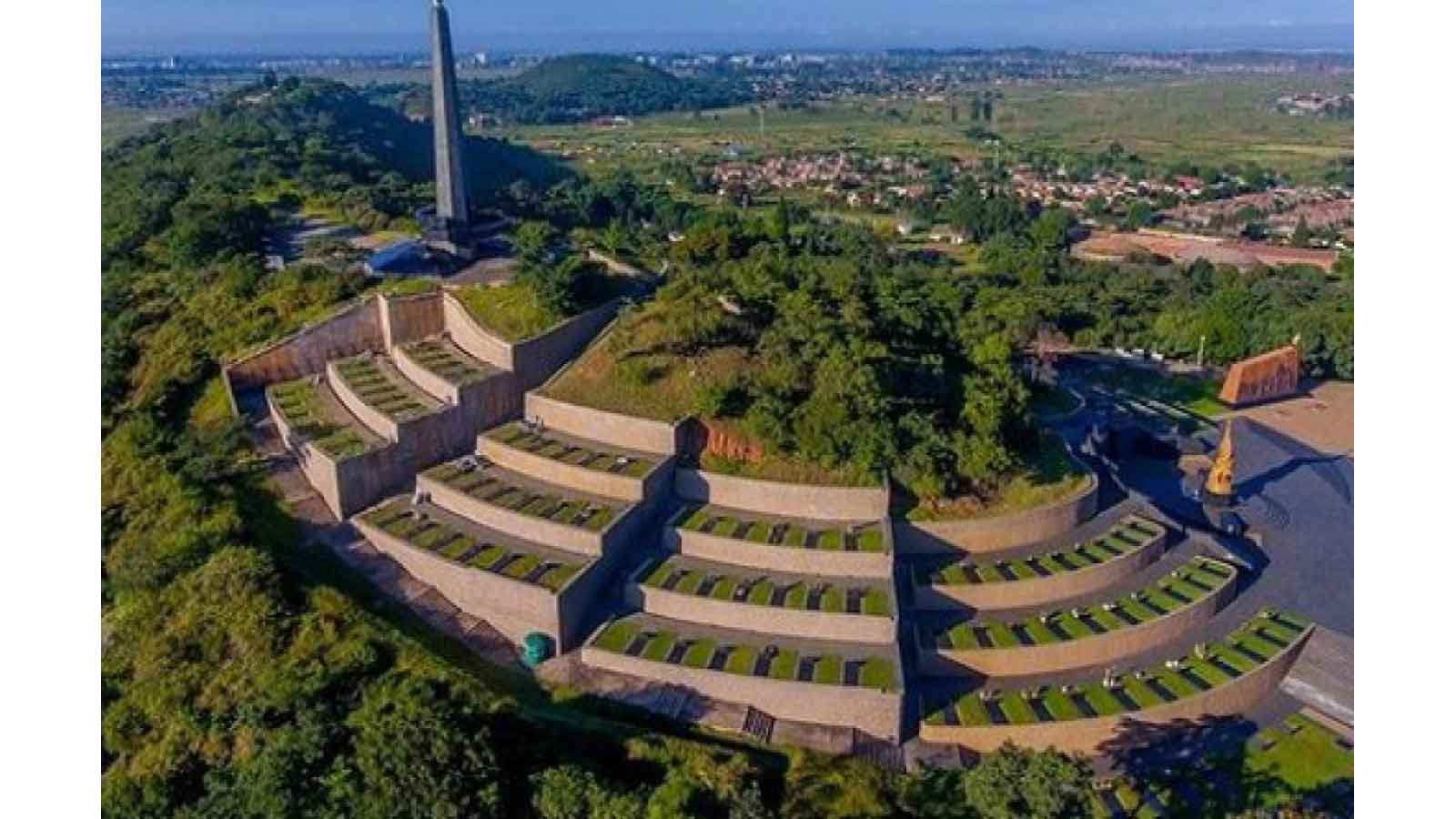
THE National Heroes Acre stands as a powerful and emotive place of commemoration and serves as a strong reminder of the human cost of the war for the liberation of Zimbabwe.
It stands as a point of remembrance for important battles and as an enduring symbol of loss and sacrifice.
In this report, we shine a spotlight on the national monument, providing a glimpse of its size, establishment and the stories behind the extraordinary scale of sacrifice made by our heroes.
The National Heroes’ Acre is a burial ground and national monument in Zimbabwe, situated on a 57-hectare piece of land on a ridge overlooking the capital. It is a national memorial shrine that honours those who sacrificed immeasurably to liberate the country during the 16-year protracted armed struggle to free Zimbabwe from white settler rule.
Apart from the war heroes, it also commemorates contemporary Zimbabweans who dedicated their lives to national development in the post-independence period.
The sheer number of lives lost on active service during the Second Chimurenga/Umvukela War of Liberation meant that it was impossible to repatriate all the war dead and lay them to rest in the country.
War memorials have been built both inside and outside Zimbabwe to provide grieving communities with focal points for commemorating the fallen. Many more continue to be discovered and established.
All these memorials take on special significance in their communities on National Heroes Day as the nation honours those who served and paid the ultimate sacrifice to free Zimbabwe from the shackles of colonialism.
Zimbabwe has several memorials dedicated to the fallen heroes of the Second Chimurenga/Umvukela War of Liberation. In this report, using information obtained from the National Museums and Monuments of Zimbabwe (NMMZ), the country’s principal heritage agency, we share details of the monuments at the centre of the nation’s remembrance every August.
The monuments are among the most remarkable and significant war memorials in Zimbabwe, paying tribute to the memory of the country’s fallen comrades.
What is the size of the National Heroes Acre? When was it established? What upgrades have been undertaken?
The National Heroes’ Acre was established through an Act of Parliament in 1980. It has been expanded in phases over the years, including the Phase One extension and is now undergoing the Phase Two extension, which commenced in June 2025.
What is the total number of National Heroes interred at the National Heroes Acre?
A total of 206 men and women are interred at the National Heroes Acre. Seventeen are women.
What is the number of other National Heroes buried elsewhere, outside the main national monument?
There are about 54, and the number is increasing as more posthumous declarations continue to be made.
What is the total number of individuals who have been declared National Heroes in Zimbabwe, both those buried at the Heroes Acre and elsewhere?
The total number is 260.
How many Provincial Heroes Acres are there in the country? What is the total number of individuals declared provincial heroes in Zimbabwe?
The country has 10 Provincial Heroes Acres, one in each province. More than 3 734 liberation fighters have been honoured and are buried in provincial heroes’ shrines.
Breakdown:
Bulawayo — 1 170
Matabeleland South — 44
Matabeleland North — 39
Masvingo — 101
Harare — approximately 1 344
Mashonaland Central — 85
Mashonaland West — 97
Mashonaland East — 113
Manicaland — 455
Midlands — 286
What is the total number of District Heroes Acres in the country?
The exact figure is still to be determined, as the NMMZ is in the process of taking over the management of District Heroes Acres from local authorities.
How many other Heroes monuments are managed both inside and outside Zimbabwe?
The National Museums and Monuments of Zimbabwe (NMMZ) is mandated to manage all the country’s liberation monuments, including those in neighbouring countries.
The NMMZ manages:
National Heroes Acre
Provincial Heroes Acres
District Heroes Acres
Liberation monuments in:
Zambia — 6
Mozambique — 9
The NMMZ has a mandate to manage the country’s heritage and was tasked by Government to spearhead the graves identification and rehabilitation programme.
The liberation struggle is an important component of Zimbabwe’s heritage and must be preserved for future generations.
The establishment of liberation war museums in Mozambique and Zambia was a milestone achievement. The two neighbouring countries that hosted Zimbabwe’s liberation movements have pledged to gazette Zimbabwe’s liberation war shrines as national monuments in their own countries.
Are there any more sites being discovered or established?
The National Museums and Monuments of Zimbabwe continues to identify, document and develop more liberation struggle sites to honour the gallant sons and daughters who sacrificed their lives to free Zimbabwe.
What is the role of the NMMZ in the maintenance of Heroes’ shrines?
NMMZ is the institution mandated with the management of Zimbabwe’s heritage in its diverse forms.
Its responsibilities include:
Identification
Documentation
Protection
Preservation
Development
Presentation
Do people pay any fees to visit the shrines?
No fees are charged to access most liberation monuments. However, at the National Heroes Acre, local visitors pay US$3 to access the monument.
How many people visit the National Heroes Acre each year?
Around 30 000 people visit the country’s premier national monument annually. The largest number of visitors comes from school groups.
Are there figures for visitors to other sites such as the Chimoio mass graves each year?
There are no specific figures available, but many people undertake educational visits and pilgrimages. Families who lost loved ones during the war also visit the memorial shrines.
What is the NMMZ’s message on the importance of the shrines to the country?
People are defined and shaped by their history, and Zimbabwe’s liberation history must be preserved for posterity.