

 Online Reporter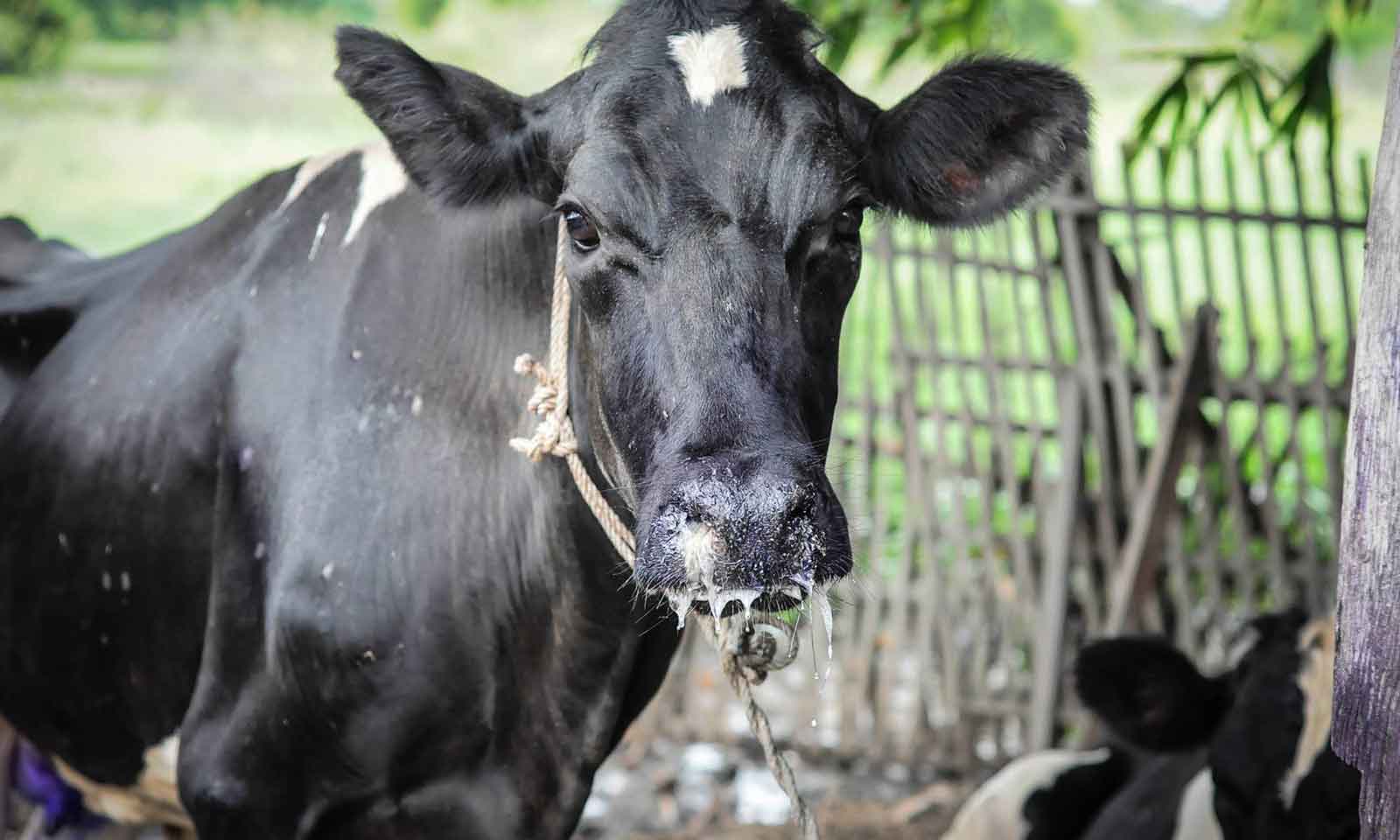
Sifelani Tsiko
Fact Check Editor
SOUTHERN African countries are battling to contain the new Southern African Territories strains of foot-and-mouth disease (FMD) SAT-1, which is rapidly spreading to other parts of the world.
The SAT-1 serotype, endemic in southern Africa, has now been detected in China and numerous other countries in the Middle East, West Asia and South Asia.
The impact of this foot and mouth disease has been profound, hitting hardest some of the major beef-exporting economies in southern Africa. In addition to this, the rapidly evolving nature of this epidemiological situation now demands countries in the region to take up sustained vigilance and adapt actions to save livestock in the region.
What is the Southern African Territories (SAT1) strain of the FMD?
The new deadly strain of foot-and-mouth disease -FMD – is highly transmissible and causes lesions and lameness in cattle, sheep, goats and other cloven-hoofed animals. It does not affect humans. According to the World Organisation for Animal Health, FMD is a severe, highly contagious viral disease of livestock that has a significant economic impact. It says it is a transboundary animal disease (TAD) that deeply affects the production of livestock and disrupts regional and international trade in animals and animal products. The new SAT1 serotype strain has shown that some existing vaccines are ineffective against it. When detected in some countries, authorities quickly move to slaughter animals and disinfect affected areas.
Is this new deadly strain of the foot-and-mouth disease confined to the southern Africa sub – region alone?
No, it is not. In a new report, the WOAH said the SAT1 strain of FMD has spread beyond its historical African range with confirmed outbreaks in countries previously free of SAT1, including those in Southern Africa, Asia, Europe and the Middle East.
What are the major signs of the FMD SAT1 strain?
According to the WOAH, FMD is characterised by fever and blister-like sores on the tongue and lips, in the mouth, on the teats and between the hooves. The disease causes severe production losses, and, while the majority of affected animals recover, the disease often leaves them weakened and debilitated. It further says that all seven of the serotypes have also been found in wildlife. African buffalo (Syncerus caffer) are important carriers for FMDV. Other species of wildlife do not seem to be able to maintain FMD viruses.
How many countries have been affected by FMD SAT1 so far?
A total of 25 countries have so far confirmed the outbreak of the rapidly evolving epidemiological FMD virus strain SAT1, according to the WOAH. The World Animal Health Information System (WAHIS) reports that so far in 2026, FMD has been confirmed in 25 countries, namely Algeria, Botswana, Burkina Faso, Cambodia, China, Comoros, Côte d’Ivoire, Cyprus, Eritrea, Eswatini, Greece, Guinea, Indonesia, Israel, North Korea, South Korea, Lebanon, Lesotho, Malaysia, Mongolia, Mozambique, Palestine, South Africa, Zambia and Zimbabwe.
How is FMD SAT1 transmitted and spread?
Animal health experts say the virus strain is found in all excretions and secretions from infected animals. The WOAH say these animals breathe out a large amount of virus via aerosol, which can infect other animals via the respiratory or oral routes. It further points out that the virus may be present in milk and semen for up to 4 days before the animal shows clinical signs of disease.
According to the WOAH, the severity of an FMD outbreak is related to the ease with which the virus can spread through any or all of the following:
-infected animals newly introduced into a herd (carrying virus in their saliva, milk, semen, etc.)
-contaminated pens/buildings or contaminated animal transport vehicles
-contaminated materials such as hay, feed, water, milk or biologics
-contaminated clothing, footwear, or equipment
-virus-infected meat or other contaminated animal products (if fed to animals when raw or improperly cooked)
-infected aerosols (spread of virus from an infected property via air currents)
-Animals that have recovered from an infection can sometimes carry the virus and cause new outbreaks of the disease
Does the FMD strain pose a public health risk to humans?
No, it doesn’t. FMD is not readily transmissible to humans and is not a public health risk, according to the WOAH.
Production cost and impact
The new strain can spread rapidly causing major production losses and animal health experts say it has a mortality rate exceeding 50% in young animals. Botswana, which has reported FMD outbreaks in at least 10 different locations this year, has been hit hardest. The European union (EU), the largest importer of Botswana’s beef, has suspended beef imports after the outbreak of FMD. The temporary closure of the Botswana Meat Commission operations in response to the ongoing spread of FMD, has negatively affected international trade in beef. According to media reports, the BMC has meat worth at least Pula 2 million (approximately US$150 000) in its storage. Some of the stock had already been paid for by international customers and we will not be able to deliver to the European market due to the FMD outbreak. Zambia, Zimbabwe and South Africa have also been hit hard by the outbreaks.
What should affected countries do to contain the FMD virus strain SAT1?
The WOAH recommends that its members:
- update national and regional FMD risk assessments
- Enhance clinical surveillance and diagnostic capacity, particularly in areas at higher risk of virus introduction, to ensure early detection and rapid response;
- Conduct regular virus characterisation and genotyping in affected areas to monitor viral evolution
- Review and, where appropriate, adjust vaccine strategies and antigen composition to ensure continued effectiveness against circulating strains and to control vaccine quality;
- Strengthen preparedness and contingency planning, including collaboration with other national authorities involved in emergency response
- Coordinate with neighbouring members and regional networks to support a rapid and proportionate response.



