Online Reporter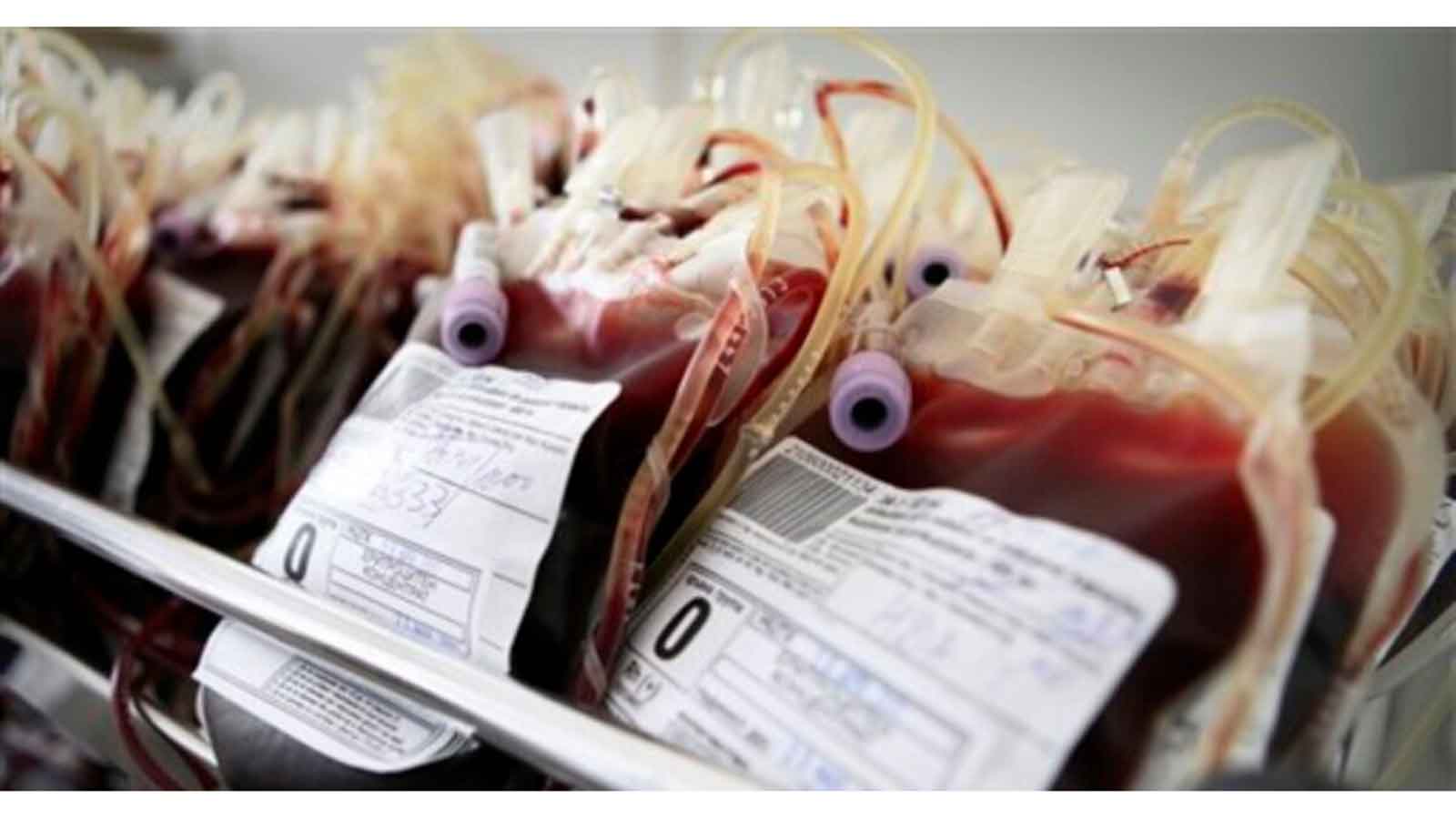
Zimbabwe has adopted blood donor screening by nucleic acid testing (NAT) – a new technique that could provide reliable results significantly faster than current approaches, helping to reduce residual risk of virus transmission through blood components and products. In this report, Sifelani Tsiko (ST) – Fact Check Editor speaks to National Blood Service Zimbabwe communications officer Vickie Maponga (VM) about this new technique that marks a great transition from traditional serology to NAT – molecular-based detection, which has been widely used in other countries for the past two decades.
ST: What is nucleic acid testing?
VM: Nucleic acid testing (NAT) is a modern imethod used to detect the genetic material of viruses (their DNA or RNA) in a blood sample. In blood banking, NAT is used to screen blood donations for major transfusion-transmissible viruses – mainly HIV, hepatitis B (HBV) and hepatitis C (HCV). Because NAT looks for the virus itself, it can identify infections earlier than some traditional tests, which rely on detecting antibodies, antigens or viral proteins.
ST: How does nucleic acid testing work?
VM: After a person donates blood, a small sample from that donation is taken to the testing laboratory. The NAT system then prepares the sample, amplifies (makes many copies of) any viral genetic material that might be present from the small sample of blood and detects those copies using highly sensitive instruments and software. If NAT indicates a donation is reactive, that donation is removed from the supply and further testing is performed according to a defined algorithm, including confirmatory or discriminatory tests, as appropriate. The donor is then contacted confidentially for counselling, referral and follow-up.
ST: There are various techniques of NAT applications in use worldwide. What types are we using in Zimbabwe?
VM: Globally, NAT can be done as either pooled testing (combining small portions from several donations) or as individual-donation NAT (testing each donation on its own). It can also be based on different amplification chemistries such as PCR or transcription-mediated amplification (TMA) and can be ‘multiplex’ (detecting several viruses in one run). In Zimbabwe, NBSZ has introduced individual-donation, multiplex NAT for HIV, HBV and HCV, using a fully automated, high-throughput analyser. Individual-donation NAT offers the highest sensitivity because each donation is tested directly, rather than in a pool.
ST: What is the difference between NAT and the traditional blood donation screening method – serological testing?
VM: Traditional serological screening looks for either antibodies (the body’s immune response) or antigens (viral proteins such as HIV or hepatitis B surface antigen). These tests are highly effective and remain essential in blood safety. NAT is different because it detects viral genetic material directly. This means NAT can identify infection earlier, especially during the ‘window period’ before antibodies or antigens reach detectable levels. In practice, the safest approach is to use NAT together with serology, because they complement each other, which is what Zimbabwe is doing.
ST: NAT was introduced in developed countries in the late 1990s and early 2000s. How many countries have implemented NAT for HIV in Africa and across the world?
VM: NAT was first introduced in many high-income settings in the late 1990s and early 2000s, and it has expanded steadily since then. According to the WHO Global Database on Blood Safety (reported in the 2021 global status report, based largely on 2018 country data), 55 countries reported using NAT for HIV in blood donor screening. In the WHO Africa Region, NAT has historically been limited to a small number of countries due to cost and infrastructure requirements. A WHO Africa Region analysis published in 2017 noted that, at that time, routine NAT in the region had been introduced in three countries: South Africa, Namibia and Mauritius. Implementation is now expanding, including Zimbabwe’s recent roll-out.
ST: What is the importance of blood donor screening using the nucleic acid detection in blood screening in Zimbabwe?
VM: For patients, the most important message is simple: NAT is an added safety step. It reduces the chance that a virus could be missed during very early infection. Zimbabwe, like many countries, relies on blood transfusion for emergencies (such as childbirth complications, trauma and severe anaemia), for surgery and for the care of cancer patients and children. Those patients deserve the safest blood we can provide. Introducing NAT strengthens public confidence, aligns Zimbabwe with international best practice and helps NBSZ further reduce the already-low ‘residual risk’ of transfusion-transmitted HIV, HBV and HCV.
ST: What are some of the advantages and limitations of NAT? What will the NBSZ do to minimise the risks?
VM: Some of the advantages include, earlier detection: NAT can detect HIV, HBV and HCV sooner after infection than antibody-based tests. It can also improve safety – fewer ‘window period’ infections slip through screening, lowering residual risk. In addition, it creates stronger quality systems as NAT comes with robust automation, traceability and data controls when properly implemented. However, it has its own limitations. NAT does not eliminate risk completely. No test can detect infection during the very earliest ‘eclipse’ phase, and screening can only target the infections it is designed to detect. It is also costly and complex – NAT requires specialised equipment, trained staff, stable supplies, maintenance and strong quality management. Other transfusion risks still need attention, for example, bacterial contamination, malaria risk management and correct blood grouping and cross-matching. NBSZ will minimise risk by combining NAT with serological testing, following strict SOPs, validating the system before full implementation, using internal controls and external quality assessment, maintaining equipment to manufacturer standards, training and certifying staff competency, and using clear confirmatory/discriminatory testing algorithms for any reactive results. Donations are only released once all required tests meet acceptance criteria.
ST: NAT can help detect HIV, HBV and HCV cases in blood donor samples not detected by serological testing. NAT can shorten the window period (time between infection and detection) to how many days for HBV, HCV and HIV?
VM: The ‘window period’ is the time between a person becoming infected and a laboratory test being able to detect that infection. The exact window period depends on the virus, the test technology (NAT vs serology), and whether NAT is done on individual donations or in pools. With individual donation NAT using widely deployed blood screening assays, published estimates commonly report approximate NAT detection windows of HIV – about 5 days (around 4.7 days in one widely cited estimate), HCV about 2 to 3 days (around 2.2 days in the same estimate) and HBV about 15 days (around 14.9 days in the same estimate). By comparison, serology-only window periods are considerably longer for HBV and HCV and can also be longer for HIV depending on the type of immunoassay used. NAT therefore reduces the likelihood of missing very early infections.
ST: Zimbabwe is moving ahead to enhance its multiplexing capabilities and comprehensive laboratory automation. What could you say is the future of nucleic acid detection in blood screening?
VM: The future is moving towards smarter, more integrated and more automated testing. We expect to see expanded multiplexing (screening for additional pathogens where relevant and feasible), tighter laboratory automation and connectivity (instrument – to – Laboratory Information System (LIS) integration, real-time quality dashboards, and traceability), stronger data systems to support haemo-vigilance and continuous improvement and, over time, more cost-efficient NAT technologies that make advanced screening achievable for more countries. For Zimbabwe, the long-term vision is a modern blood screening system that combines strong donor selection, high-quality serology, NAT and end-to-end quality management to keep improving safety as technology advances.
Explanations:
- Residual risk: The small remaining chance that an infection could slip through screening, even after all safety steps.
- Window period: The time between infection and when a test can reliably detect it.
- Serology: Tests that detect antibodies or antigens (proteins) related to infection.
- Multiplex test: One test that checks for more than one virus at the same time.
- Individual-donation NAT (ID-NAT): Testing each donation separately, rather than mixing samples into a pool.