Online Reporter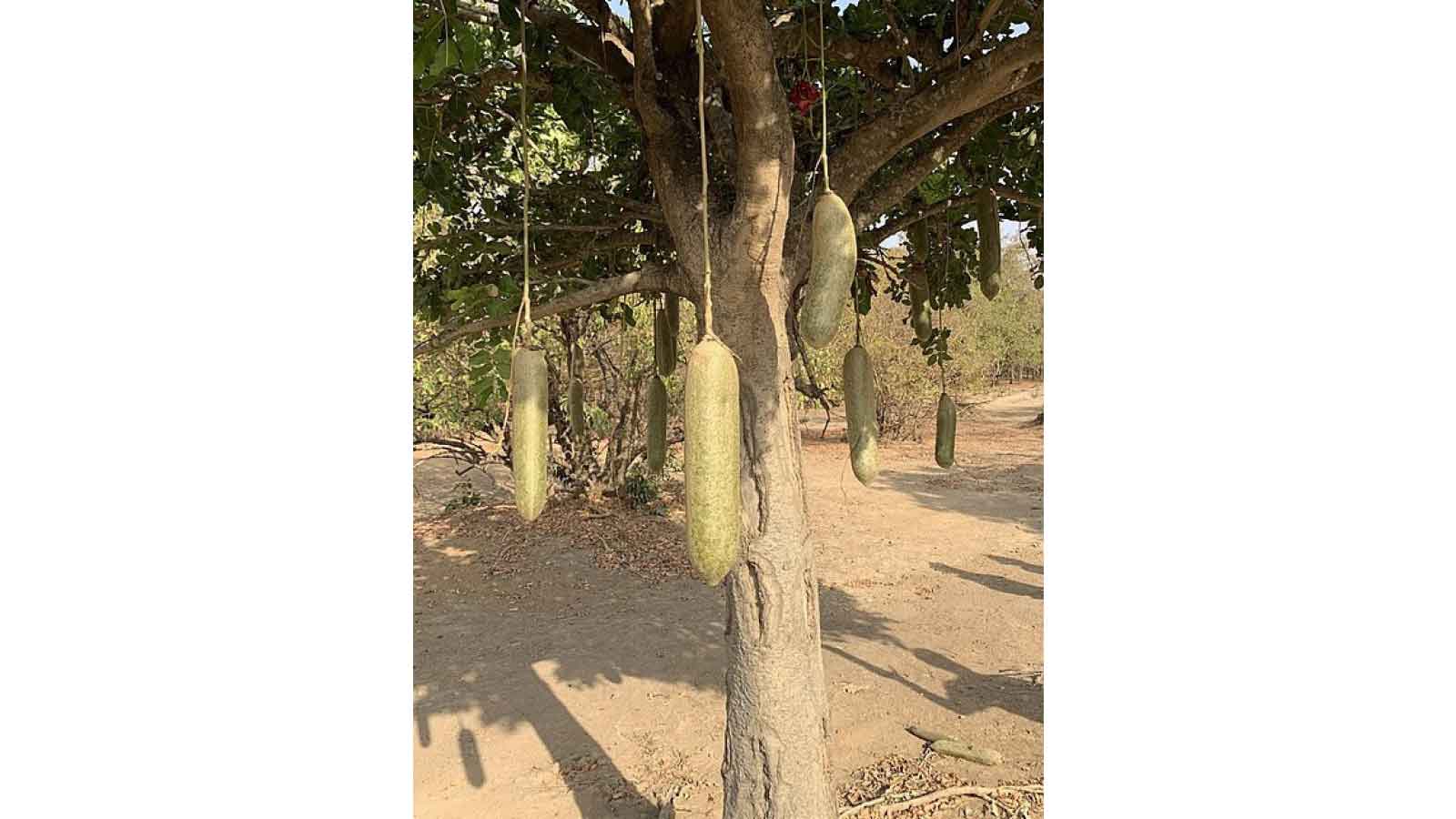
Sifelani Tsiko
Fact Check Editor
IT’S that time of the year when each one of us should grab a spade and sign up to the national tree planting campaign.
Zimbabwe designated the first Saturday of December as National Tree Planting Day to inspire the nation to plant and protect trees as part of wide efforts to conserve the country’s biodiversity.
This day was declared nearly some four- and-a-half decades ago and has become a permanent feature of our national calendar.
Trees do not only give us an enthralling scenery in cities, farms, rural areas and in wildlife parks, but also provide significant health and well-being benefits. They are now a vital part of our response to climate change and its damaging effect. Planting trees here in Zimbabwe is now more pressing than at any moment in our history.
When is the National Tree Planting Day?
The National Tree Planting Day in Zimbabwe will be held today. It is a day dedicated to planting trees to promote environmental conservation and improve livelihoods.
What is the main purpose of the National Tree Planting Day?
The campaign aims to motivate the nation to plant and conserve trees, highlighting the importance of forests for biodiversity, ecosystem restoration, and improved household food security.
What is the theme for 2025?
This year’s activities will run under the theme: “Trees and Forests For Ecosystem Restoration and Improved Livelihoods”
Tree of the Year 2025
Commemorations for this year will be held with greater focus on a tree commonly known as the sausage tree. According to the Forestry Commission of Zimbabwe, this species is native to the country and thrives in warmer, wet savanna and riverine areas. “In Zimbabwe, it is often found along riverbanks, streams, floodplains, and in open woodlands. The tree is well-adapted to low, hot areas and is recognized for its large, sausage-shaped fruits,” the forestry agency says.
What are other common names of the sausage tree?
In various ChiShona dialects or Shona speaking communities, the tree is commonly known as Mubveve, Mumvee, Musonya or Muvhumati while in the IsiNdebele speaking communities it is called Umvebe. Other indigenous language communities such as the Tonga, Ndau, Shangani, Sotho, Venda and others, also have their own names for this tree. The scientific name for the tree is Kigelia Africana.
What does the sausage tree look like?
According to Forestry Commission experts, the sausage tree can grow to heights of 20-40 metres.
It features grey, flaking bark on older specimens. Its common name refers to its enormous, sausage-shaped, grey-brown fruits, which can measure up to 60 cm in length and weigh up to 7kg, hanging from long stalks.
What are the common uses and values of the tree?
Kigelia africana is valued for its medicinal uses, extracts from the bark and fruit are traditionally employed to treat various ailments. Ecological Significance: The tree serves as a source of nectar and pollen for pollinators.
The new and emerging conservation concerns
Over-harvesting of fruits and bark for medicinal purposes poses a significant threat to the long-term survival of this species. Additionally, deforestation and habitat loss further jeopardise Kigelia africana in Zimbabwe.
What is the tree planting target for the year?
This year’s campaign is rallying national support to plant more than 25 million trees in the 2025/26 tree planting season.
Is there political will for the country’s national tree planting campaigns which are held every year?
Yes, there is a huge political will. In December last year, President Mnangagwa launched the Presidential Legacy Forests programme to mark the national tree planting day which was commemorated at Dinson Iron and Steel Company in Manhize, Chirumhanzi District, Midlands Province.
The launch of the programme was a follow up to the Maputo declaration on sustainable and integrated management of Miombo woodlands of 2022 which emphasised the need to preserve natural forests for posterity. The project is part of the Second Republic’s programme to plant 25 million trees by 2030.
What did the President say at the 2024 National Tree Planting Day commemorations?
“On this day, we stand together as Zimbabweans, united by our commitment to sustainability. With every tree we plant and nurture today and into the entire season, we are giving a promise of harmony and resilience, reflecting our collective will to protect our environment.”
Status of Zimbabwe’s forestry
Zimbabwe has 14 gazetted indigenous forests covering nearly 700 000 hectares. Forestry experts say these are preserved to promote soil protection, nutrient recycling, biodiversity conservation, climate regulation, wildlife habitats and providing non-timber products, among other benefits.
The Forestry Commission has over the years engaged local communities surrounding these gazetted forests to promote participation and conservation of the trees and wildlife.
This has not succeeded to curb illegal logging and poaching of wildlife despite the adoption of joint forest management models with communities neighbouring protected forests, where local communities are allowed to collect thatch grass and other non-timber products from the forests.
Mahogany, teak and mukwa trees are major types which are being harvested unsustainably because of their commercial value.
What are some of the major threats to Zimbabwe’s forestry?
Deforestation, illegal logging and unsustainable land use practices are putting immense pressure on the country’s major forests, endangering the health of the ecosystems. This has serious implications for Zimbabwe’s biodiversity, water resources and climate.
Experts estimate that more than 70 percent of the total volume of wood harvested in the country’s 14 protected forests is unaccounted for, causing huge losses in government revenue from levies, taxes and fees.
Indigenous tree species such as munondo and msasa are facing local extinction due to high demand for their wood both for cooking, construction and fencing.
Lack of resources and manpower has affected operations of ZimParks and the Forestry Commission.
Environmental Concerns
Environmentalists complain that fines imposed on those caught are too low to act as a deterrent.
They accuse politicians, chiefs and district forest officials of colluding with illegal loggers who move the wood through unofficial routes.