Online Reporter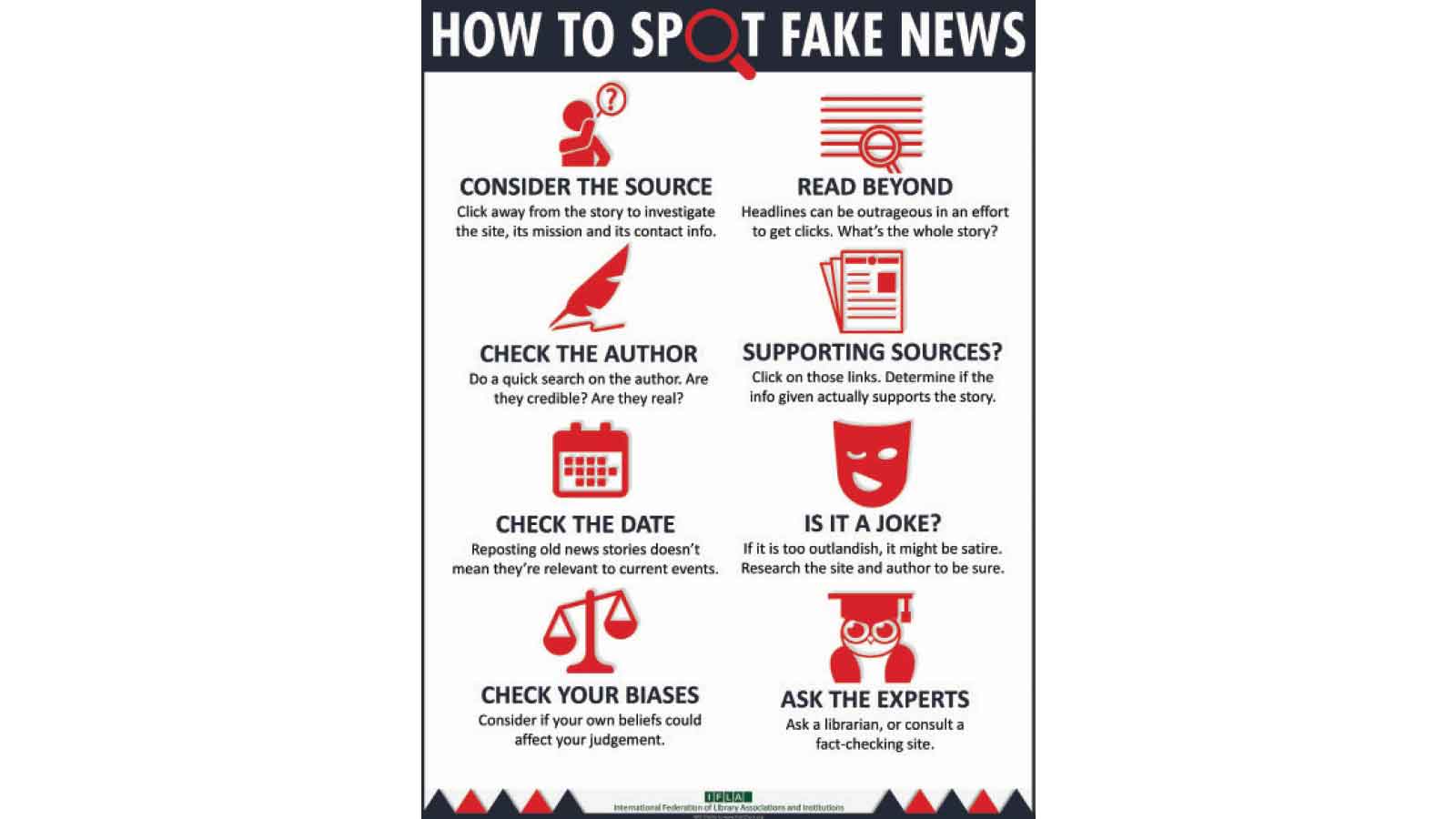
Audry Magaya-Herald Correspondent
ZIMBABWE is living through a digital paradox.
Social media has empowered citizens, amplified marginalised voices, and opened new spaces for dialogue and accountability. Yet, at the same time, it has unleashed a frenzy where anything and everything is turned into content — often without verification, context, or regard for consequences.
In this era of instant virality, facts are increasingly sacrificed at the altar of likes, shares, and online clout.
A growing class of self-styled social media “elites” now dominate digital conversations. Armed with smartphones and large followings, they present themselves as opinion leaders, investigators, and truth-tellers.
However, too many have resorted to publishing unverified, leaked, or outright false information, framing rumours as breaking news. The result is a toxic information ecosystem where fiction travels faster than fact, and accountability is often absent.
What is most alarming is how misinformation has become normalised. Allegations are posted without evidence, private matters are exposed without consent, and individuals are tried and convicted in the court of public opinion long before any legal process takes place. Once shared, such content is nearly impossible to contain. Screenshots circulate, narratives mutate, and even retractions fail to undo the damage.
For individuals, the consequences are devastating. Reputations built over decades can be destroyed overnight. Careers are derailed, families are traumatized, and mental health suffers under relentless online attacks. In extreme cases, victims of social media rumours face social isolation, depression, and loss of livelihood — all without due process or a chance to defend themselves.
Organisations, both public and private, are equally vulnerable. False claims about corruption, misconduct, or incompetence can trigger public panic, investor withdrawal, or customer boycotts. Even when allegations are later disproven, the stain often remains. In an already fragile economy, such misinformation undermines confidence, stability, and development.
Beyond individual harm, the unchecked spread of false information erodes Zimbabwe’s social fabric. Trust — in institutions, media, leadership, and even among citizens — weakens. When people no longer know what to believe, cynicism thrives. Every genuine report is dismissed as propaganda, while fabricated stories gain traction simply because they are sensational.
This environment also discourages constructive debate. Instead of informed discussion, social media platforms become arenas for outrage, insults, and character assassination. Nuance is lost, and complex national issues are reduced to simplistic, emotionally charged narratives designed to provoke reaction rather than understanding.
It is important to be clear freedom of expression is a constitutional right and a cornerstone of democracy. Zimbabwe’s history makes this freedom particularly precious. However, freedom of expression does not mean freedom to harm, defame, or deceive. Rights come with responsibilities, especially in the digital space where one post can reach thousands — or millions — within minutes.
There is a growing tendency to hide behind the banner of “free speech” to justify reckless behaviour online. Yet, no democratic society allows absolute freedom without limits. Just as traditional media is bound by ethical and legal standards, so too must digital actors be held accountable.
Zimbabwe is not without legal tools to address this challenge. The Cyber and Data Protection Act, alongside existing defamation and criminal statutes, provides a framework to regulate harmful online conduct. These laws cover issues such as cyber harassment, unlawful disclosure of data, impersonation, and the deliberate spread of false information.
To restore balance, cyber law must be exercised to its fullest extent fairly, transparently, and consistently. Enforcement should focus on behaviour, not political alignment or social status. Influencers, journalists, activists, and ordinary citizens must all be subject to the same standards.
Effective use of cyber law should not be purely punitive. Education is critical. Many social media users do not fully understand the legal implications of their online actions. Public awareness campaigns, digital literacy programmes, and clear communication from authorities can help citizens distinguish between responsible expression and unlawful conduct.
At the same time, enforcement must be firm enough to deter misconduct. When offenders face real consequences fines, civil liability, or criminal charges where appropriate a clear message is sent, the digital space is not exempt from the rule of law.
Importantly, enforcement should protect victims as much as it disciplines offenders. Fast, accessible mechanisms for reporting harmful content and seeking redress are essential. Victims should not have to endure prolonged abuse while cases drag on.
Social media platforms operating in Zimbabwe also have a role to play. Algorithms that reward sensationalism contribute to the problem. Platforms must take greater responsibility for moderating harmful content, responding to legitimate complaints, and cooperating with lawful investigations.
Influencers, in particular, must recognize the power they wield. With large audiences comes heightened responsibility. Credibility should be built on accuracy, not outrage. Those who consistently spread misinformation should not be celebrated as “bold” or “fearless,” but questioned and challenged.
Zimbabwe stands at a crossroads in its digital evolution. The choice is not between silence and chaos, nor between repression and freedom. The real choice is between a culture of responsibility and one of recklessness.
Facts must matter more than fiction. Verification must matter more than virality. Human dignity must matter more than online clout.
If social media is to remain a tool for progress rather than division, all stakeholders, citizens, influencers, media, platforms, and the state must play their part. Applying cyber law responsibly and decisively is not an attack on free expression; it is a defence of truth, justice, and social stability.
In the end, Zimbabwe’s digital future will be shaped not by how loudly we speak online, but by how truthfully and responsibly we do so.