Online Reporter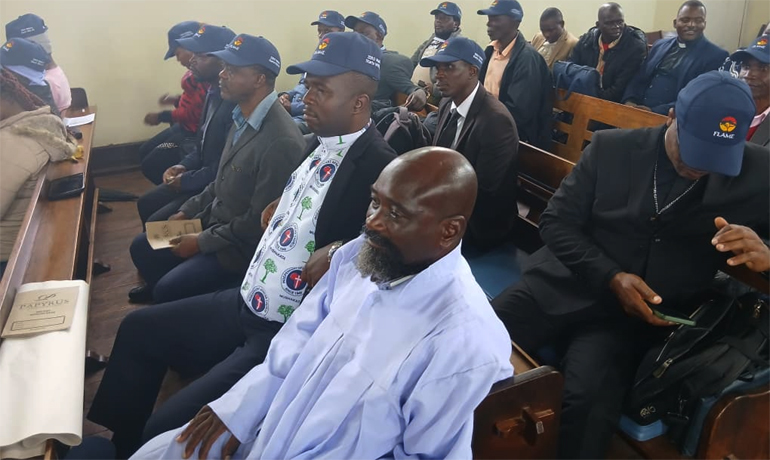
Tendai Gukutikwa
Health Reporter
CLERGY from different churches and faith groups have undergone training on malaria prevention, treatment, and community awareness as health authorities intensify efforts to curb the disease in Manicaland Province.
The training, held at St Andrew’s Methodist Church in Mutare under the Faith Leader Advocates for Malaria Elimination (FLAME) initiative, aimed to equip religious leaders with accurate health information to share within their congregations.
FLAME partnered with the Ministry of Health and Child Care to deliver the programme.
Manicaland Provincial Medical Director, Dr Munyaradzi Mukuzunga, said the engagement comes at a critical time, with malaria cases and deaths continuing to pose a major challenge in the province.
“We are excited that over the past two days we have been engaging religious leaders from various churches and faiths on malaria training. Manicaland is one of the top three provinces affected by malaria,” he said.
Dr Mukuzunga revealed that the province has already recorded malaria-related deaths this year, with several districts currently experiencing outbreaks.
He stressed the need for a whole-of-society approach, noting that religious leaders play a vital role as trusted voices within communities.
The training focused on prevention methods, early detection, and access to treatment.
“When they meet their congregants, they should be able to spread information on how to prevent malaria, how to recognise symptoms, and where to get help,” Dr. Mukuzunga explained.
He also urged communities to make use of community-based health workers for early testing and treatment, underscoring the importance of timely intervention in reducing infections and saving lives.
“We encourage people to go to community health workers who can test and treat malaria early. This helps to reduce complications and deaths,” he said.
Dr Mukuzunga said engaging faith leaders is expected to improve community awareness and encourage positive health-seeking behaviour.
“The success of the programme will depend on how well the information is shared at community level. We want these leaders to become ambassadors in the fight against malaria. If communities understand how to prevent and treat malaria, we can reduce cases and save lives,” he said.
He added that early intervention remains key in controlling the disease.
The FLAME initiative, which is driving the involvement of faith leaders, was established to complement Government efforts in malaria elimination.
In an interview, Bishop Jeremiah Mangiza of the Methodist Church in Zimbabwe, said the programme was introduced after recognising the impact of malaria in communities.
He said the initiative is voluntary and is meant to support the Ministry of Health and Child Care in raising awareness.
“This is about augmenting Government efforts. We are using the platforms that we already have as churches and faith organisations to spread the message,” said Bishop Mangiza.
He said the programme is targeting a wide network of religious leaders across the country.
“We are targeting as many faith leaders as possible. We may train about 150 at a time, but the goal is to reach more than 500,” he said.
Bishop Mangiza added that the initiative has already been rolled out in other provinces and is expanding.
“We started in Harare East, and are moving to other provinces including Mashonaland West and Central. Now we are in Manicaland because the province is heavily affected,” he said.
At regional level, FLAME has also been implemented in several countries.
Bishop Shadreck Chembe of Independent Churches of Zambia said the initiative has created structured networks that allow faith leaders to coordinate their activities and monitor progress.
“We have established structures at national, provincial and district levels involving different faith-based organisations in Zambia and several other countries including Zimbabwe,” he said.
He said the system includes reporting mechanisms to ensure accountability.
He added that FLAME is now active in several countries including Zambia, Zimbabwe, Namibia, Angola, the Democratic Republic of Congo, Mozambique and Tanzania.
Participants at the training said the knowledge gained will help them to better serve their communities.
Reverend Clifford Nunu Ndlovu of Methodist Church in Zimbabwe said the church has a responsibility to promote health awareness.
“The church is not only about spiritual matters. We must also address issues that affect people’s lives, such as health,” he said.
Mrs Theodora Mudoro of the Baháʼí Faith, said religious platforms are effective in reaching large numbers of people.
“As faith leaders, we have direct contact with communities. We are now better equipped to share correct information about malaria prevention and treatment,” she said.
Mr Ebson Mutazu of the Jewish Faith, said the training had strengthened their understanding of the disease.
“We now understand the importance of early testing and the dangers of delaying treatment. This is information we will take back to our communities,” he said.
Mrs Aisa Tiputipu of the Muslim community, said collaboration between health authorities and faith leaders is critical.
“Working together allows us to reach more people and ensure that the message is understood across different communities,” she said.
Traditional healer, Mbuya Clara Dhliwayo of the Zimbabwe National Traditional Healers Association (ZINATHA), said traditional healers also have a role to play.
“As traditional healers, we are part of the community and people trust us. We must also encourage them to seek proper medical treatment for malaria,” she said.