Online Reporter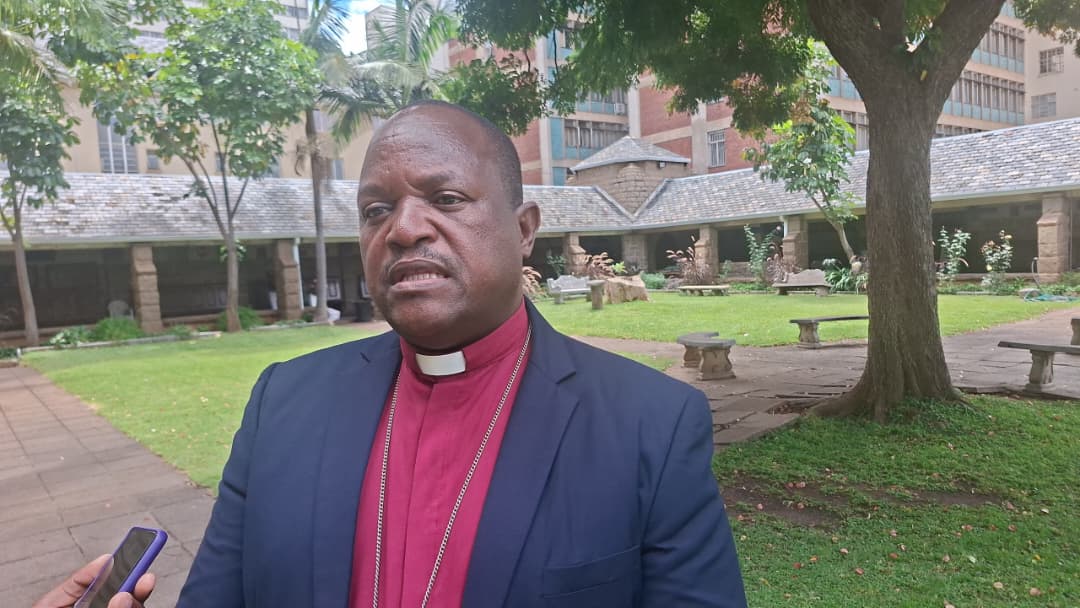
Obey Musiwa
Herald Reporter
GOVERNMENT, church, civil society and international partners on Thursday converged at the Anglican Cathedral in Harare for International Women’s Day celebrations organised by Gender and Faith Network in Zimbabwe (GFN) which brings together church representatives bodies, faith based, development and women’s rights organisations.
Speaking during the commemoration, Women Affairs, Community, and Small and Medium Enterprise Development Permanent Secretary Dr Mavis Sibanda, who was represented by the director in the Department of Community Empowerment, Ms Tariro Charera, said that rights must move beyond paper guarantees to lived realities.
“Rights must move beyond constitutional guarantees such as Sections 17 and 56 to become lived realities,” she said.
“Women are quite simply the backbone of Zimbabwean society, holding families together, sustaining communities, and keeping the nation running.”
The bishop of the Anglican Church of the Province of Central Africa Diocese of Harare, the Right Reverend Dr Farai Mutamiri, quoted John 4, where Jesus broke gender barriers by speaking with the Samaritan woman, to illustrate the church’s role in affirming dignity and empowering women.
He urged women to embrace self-driving in claiming their rightful place.
“Jesus looked beyond the social barriers that had been put there by people. If we are to develop our nation, let us empower women and girls, because they can transform our economy into a middle-class economy,” he said.
Christian Aid Zimbabwe director Aulline Chapisa emphasised interfaith collaboration under the Side-by-Side Global Movement for Gender Justice, saying that faith leaders carry moral authority to challenge harmful norms.
She linked gender equality directly to Vision 2030 and NDS2.
“Faith leaders have the trust of society and the moral authority to speak against vices such as gender-based violence and child marriages,” she said.
“If women are not realising their full potential, the Government is losing the contribution of the majority of its population.”
Evangelical Lutheran Church in Zimbabwe Reverend Elitha Moyo highlighted the church’s stand-alone gender justice desk established in 2012, emphasising teamwork in tackling gender-based violence, child marriages, and substance abuse.
“Human life is the first priority for us as the network and as churches. We cannot go to the community without involving community stakeholders, we are facilitators,” she said.
Rise Up Survivor Network national coordinator Ms Fungai Saunyama said that faith communities hold a unique responsibility and power to challenge harmful norms, protect survivors of sexual and gender-based violence (SGBV), and build inclusive, just societies where women and girls can thrive.
“Faith communities, which touch the lives of millions in Zimbabwe every week, have a unique and powerful role in transforming these norms,” she added.
“By speaking out, providing safe spaces, and mobilising communities, churches can protect, empower, and restore the dignity of survivors.”
ACT Alliance national coordinator Sostina Takure emphasised that women, making up 52 percent of the population, must sit at decision-making tables for sustainable development.
She praised the Government and international partners for pledging loans and support to women’s initiatives.
“We have the UNDP and EU pledging support to women’s developmental initiatives, ensuring they are part of community progress,” she said.
United Nations country representative Mr Wadzanai Madombwe emphasised the UN theme “Rights, Justice, Action For ALL Women and Girls” as a call for faith communities to move from words to action.
“Faith is not only something we believe, but it is also something we live. Let us move from faith in words to faith in action,” he said.