Online Reporter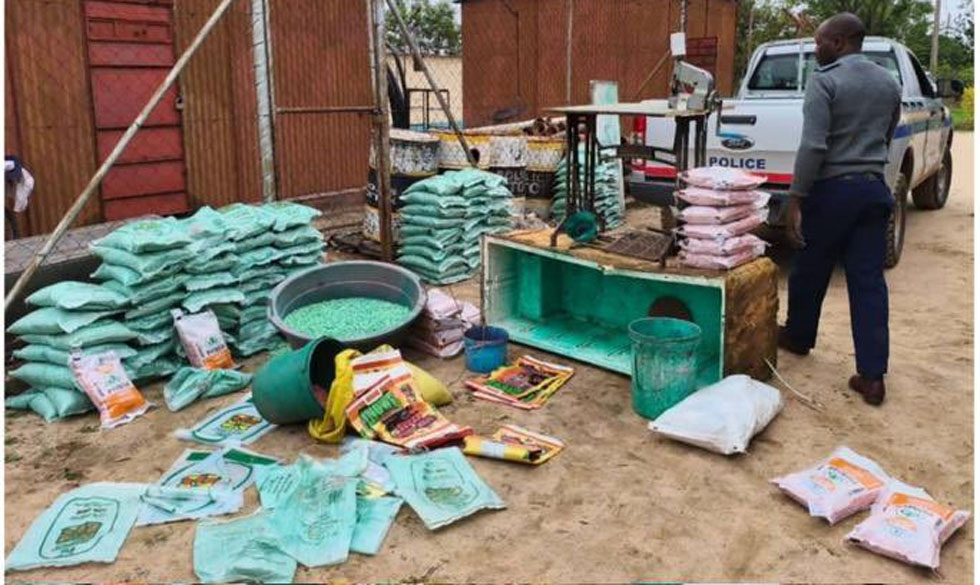
Lloyd Makonya
Correspondent
THE rainy season has finally arrived, and with it comes a worrying surge in fake and uncertified seeds on the market, a threat that continues to undermine Zimbabwe’s agricultural sector.
Across farming communities, reports are emerging of unscrupulous dealers selling counterfeit seed maize to unsuspecting farmers desperate to plant on time.
The consequences can be devastating, ranging from poor germination, stunted growth, unexpected crop failure and drastically reduced yields which have become all too common, translating into significant economic loss at both household and national levels.
For the average farmer who invests in land preparation, fertiliser and labour, fake seed can wipe out an entire season’s work.
At a national scale, the impact can be more concerning, weakening food security, distorting agricultural markets and undermining trust in formal seed systems.
What is often overlooked, however, is the broader damage counterfeit seed poses to Zimbabwe’s innovation ecosystem through violations of intellectual property rights.
Agricultural expert and agronomist, Mr Ronald Charehwa warned that the rise in counterfeit seed is, not just a nuisance, but “a serious threat to the country’s agricultural recovery efforts.”
He noted that fake seed undermines years of scientific progress, adding that “when farmers plant fraudulent seed, they are, not only risking their harvests, but are crippling the research and breeding programmes that drive agricultural development.”
Seed development is driven by research, science and innovation.
Through Plant Variety Protection (PVP) frameworks, breeders and seed companies are granted exclusive rights over new plant varieties they develop. These rights recognise that creating a new drought-tolerant, early-maturing or disease-resistant variety requires years of investment, testing and scientific expertise.
Fake seeds compromise this system by robbing breeders of revenue, disincentivising further research and eroding the foundations of agricultural innovation.
Most counterfeit seed sold on the market illegally uses brand names, packaging designs or protected variety names belonging to established companies.
This misuse constitutes trademark infringement and intellectual property theft, further damaging the credibility of the seed industry.
The implications for food security are equally alarming.
With smallholder farmers contributing a significant portion of Zimbabwe’s staple crop production, widespread use of counterfeit seed reduces national yields and increases vulnerability to hunger.
At a time when climate change already poses significant production risks, the infiltration of fake seed compounds the challenge, pushing farmers deeper into poverty and eroding confidence in the agricultural value chain.
Crops grown from uncertified seed are also more susceptible to pests and diseases, forcing farmers to spend more on chemicals and placing additional strain on already limited incomes.
Mr Charehwa stressed that this situation “poses a dual threat as it undermines food security and sabotages innovation.”
He further explained that farmers who unknowingly plant counterfeit seed often struggle to understand the cause of poor yields, making them more vulnerable to repeat losses.
“The long-term danger is that farmers lose faith in improved varieties and revert to old seed, weakening national productivity gains,” he said.
Despite these challenges, solutions remain within reach. Agricultural authorities continue to urge farmers to purchase seed only from reputable dealers and certified outlets.
Packaging should be inspected carefully, and suspicious products reported immediately.
More than ever, farmers must treat seed buying as a critical investment decision, not a casual transaction.
Seed companies, on their part, are improving product security through holograms, tamper-proof seals and digital verification technologies to help farmers confirm authenticity before planting.
Stronger enforcement of seed laws is essential if Zimbabwe is to counter this growing scourge.
Counterfeit seed is, not merely an agricultural problem, but an economic crime with national consequences.
Coordinated efforts involving the Government, seed producers, farmers’ unions and law enforcement can help protect the integrity of the seed system.
Public awareness campaigns must also be intensified to ensure that farmers understand the importance of certified seed, the risks of counterfeit products and the intellectual property laws that safeguard agricultural innovation.
As the rains continue to fall and planting intensifies across the country, farmers must remain vigilant.
The seed a farmer chooses today determines the harvest they will reap tomorrow.
Genuine, certified seed is the foundation of food security, climate resilience and agricultural prosperity.
Fake seed, on the other hand, threatens livelihoods, undermines innovation and compromises national development.
Zimbabwe’s future harvests depend on the choices made now and protecting the integrity of our seed system has never been more critical.