

 Online Reporter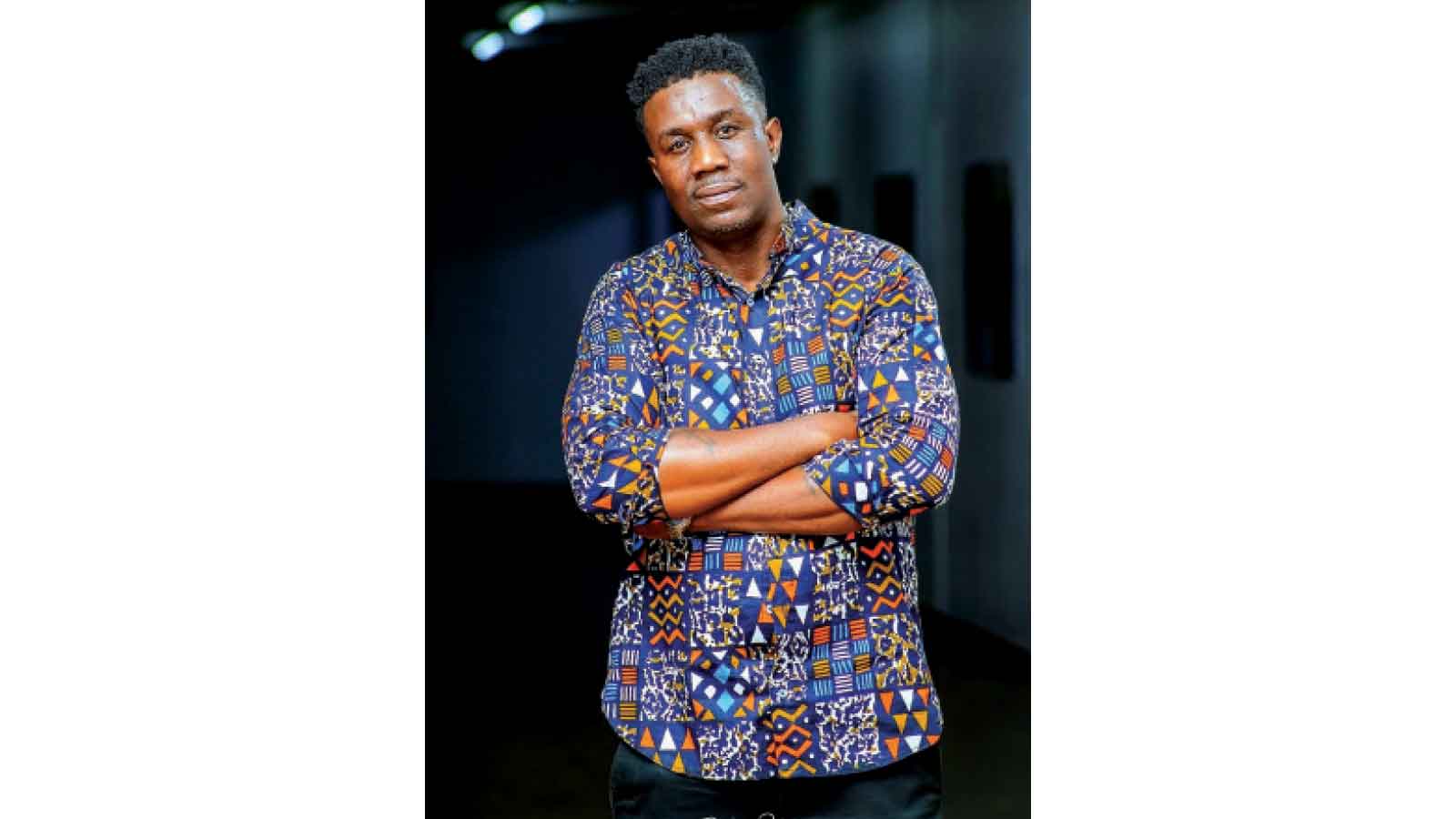
Tafadzwa Zimoyo
Lifestyle Editor
“A family without memory is a tree without roots — it may survive the seasons, but it will never truly understand how it stands.”
It is a quiet truth, almost poetic in its simplicity, yet deeply instructive. In a world where identity is constantly reshaped and history reduced to fragments of digital noise, memory has become both fragile and essential, something to be preserved with intention.
There was a time when stories did not require cameras.
They lived in the hush of dusk, in the crackle of firewood, in the slow rhythm of voices rising and falling under open skies. Grandmothers did not simply tell stories but they carried them. With pauses, proverbs and presence, they passed down entire worlds, binding generations through language, rhythm and remembrance.
Children did not need to be instructed to listen. They gathered instinctively. History was not stored. It was lived.
But those moments are fading.
The courtyards are quieter. The visits less frequent. The long evenings of storytelling are now interrupted by glowing screens and the speed of modern life. In their place stands a hyper-connected world, where digitalisation defines daily existence, where communication is instant, attention fragmented, and memory increasingly externalised.
From education to relationships, life now unfolds through digital interfaces. Yet within this transformation lies a quiet erosion — the gradual disappearance of oral tradition and the fading of intergenerational storytelling.
Still, within this shift lies an unexpected possibility.
For filmmaker Stewart Kwaramba, digitalisation is not the end of memory, it is a new form of preservation.
“In 2012, I produced a documentary about my childhood priest who was celebrating 50 years in the clergy,” he recalls. “The film captured his life, his achievements and his impact on the community. When we screened it, the response was overwhelming. The priest was deeply moved, the community was deeply moved and in that moment, I realised something important: if we do not document our stories, they can disappear.”
That realisation became a turning point, not dramatic, but steady and formative.
Years later, Kwaramba partnered with filmmaker Irvine Nemadziva, and together they established Family Legacy Documentary Africa project.
Its focus is simple in concept but expansive in scope: documenting personal and family histories through film.
“The name was intentional,” Kwaramba explains. “It had to be clear. This is about family, legacy and Africa. But it is also about telling stories in our own voice, with honesty and care.”
The project sits within a broader global tradition of documentary storytelling, although its emphasis differs.
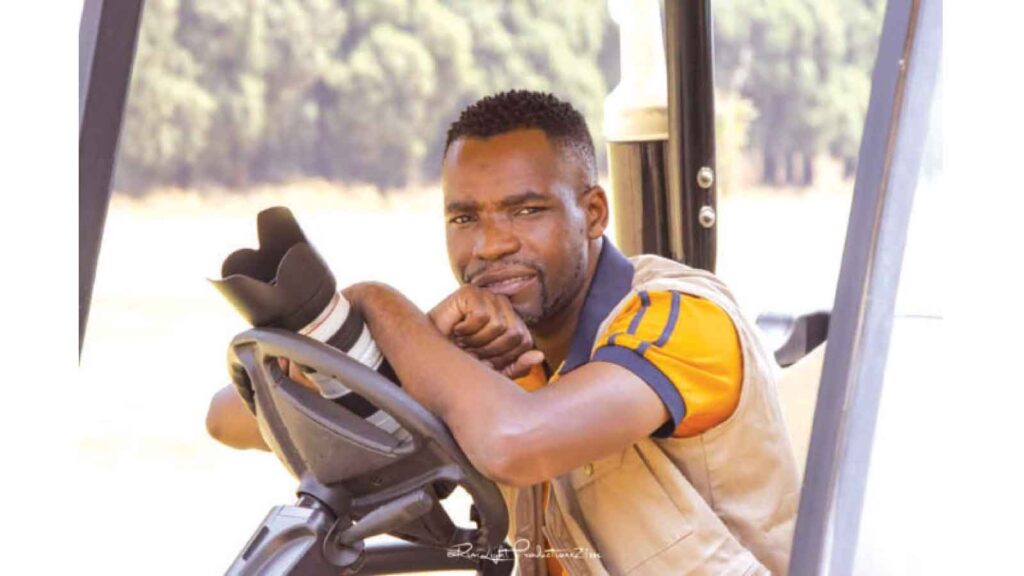
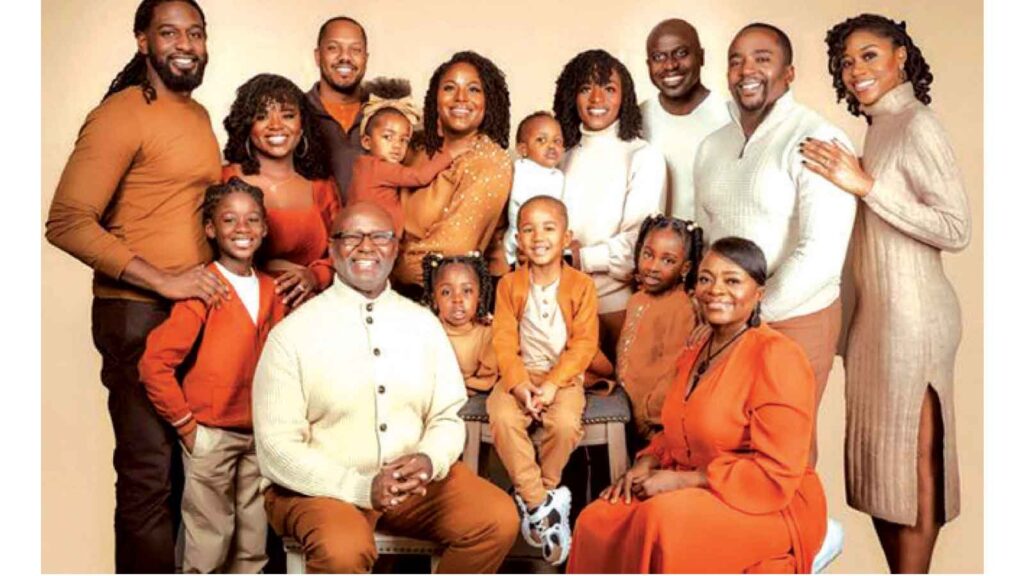
“Documentaries have long existed, but often they focus on public figures or celebrities,” Kwaramba notes. “What we are trying to do is shift that attention to recognise that every family has a story worth preserving. In a rapidly changing world where identity can easily be lost, these records become cultural anchors.”
He adds a broader reflection on preservation.
“Imagine history not only written or spoken, but also captured in film in moving images that future generations can see and feel. In that sense, we are translating memory into something that can endure. We are preserving what would otherwise be lost.”
For Nemadziva, the issue is not abstract, it is generational.
“We are living in a time where many young Africans know more about international celebrities than they do their own grandparents,” he says. “They can trace foreign histories but struggle with their own beyond a few generations. That is not just a gap it is a quiet erosion of identity.”
What Family Legacy Documentary Africa offers is therefore not just documentation, but reconstruction of memory.
It is a structured process that begins with conversation an entry point into personal history. Through interviews, reflection and carefully guided storytelling, fragments of memory are brought forward and shaped into narrative form.
“Our work is not only about recording,” Nemadziva said. “It is about listening. It is about giving people space to articulate their own history with dignity.”
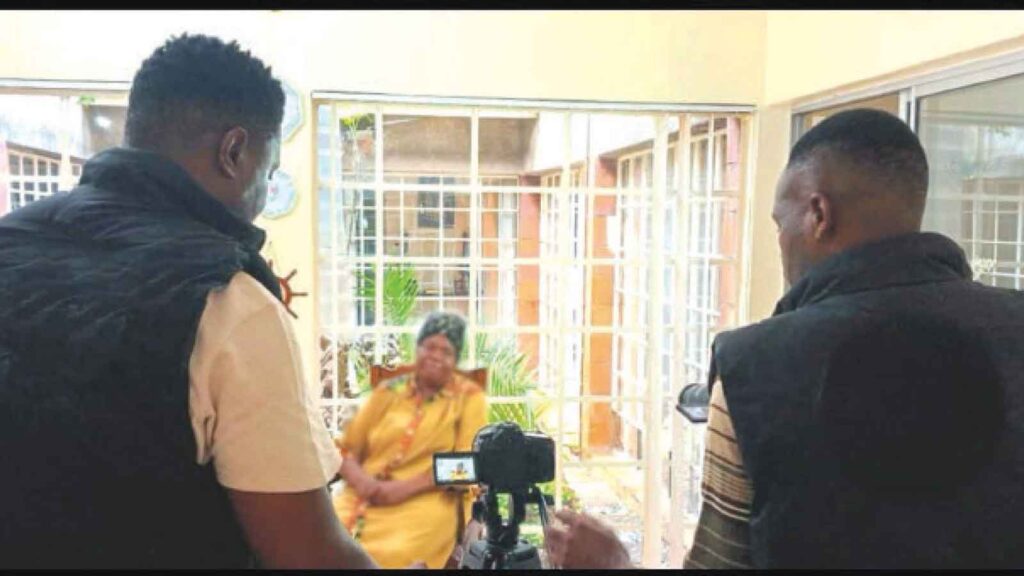
The production process unfolds gradually. Pre-production involves preparation and storytelling frameworks that help participants revisit their past. During filming, interviews often stretch over hours, allowing memory to surface organically.
“People are not just answering questions,” Kwaramba explains. “They are reliving moments of their lives. That is why the process takes time.”
Filming extends beyond controlled environments. The team often travels to significant locations rural homes, schools, and landscapes tied to personal history allowing context to shape narrative depth.
“There is a quiet layer of meaning in those spaces,” Kwaramba says. “They carry memory in ways that studio settings cannot.”
Archival material photographs, old recordings and family images is integrated into the storytelling. These fragments, often faded or imperfect, are given renewed presence through film.
In post-production, these elements are carefully woven together into a cohesive narrative.
“We assemble interviews, visuals and archival material into one structured story,” Nemadziva says. “Clients remain part of the process reviewing and reflecting until the final version represents their history accurately.”
The outcome is not just a film, but a record of lived experience.
Timelines vary depending on scale and complexity, ranging from weeks to several months.
At the centre of this work lies a broader cultural concern: the preservation of identity in a rapidly shifting world.
“Digitalisation has given us tools to reclaim our narratives,” Kwaramba says. “For a long time, African stories were interpreted by others. Now there is an opportunity to present them authentically, in our own voice.”
He frames the initiative as part of a cultural restoration.
“What we are doing is translating oral tradition into a new format. The stories remain, but the medium changes. In that sense, we are continuing the work of memory in a modern form.”
Already, the project has documented nearly 20 families and several businesses. Each story differs in detail but shares a common thread the desire to be remembered.
Among them is the story of Madeline Nyamwanza-Makonese, whose life reflects resilience and historical significance.
“Her story reminded us why this work matters,” Kwaramba says. “It reinforces the importance of preserving lives that have shaped who we are.”
Businesses have also begun to engage with the concept, recognising their histories as part of broader social memory.
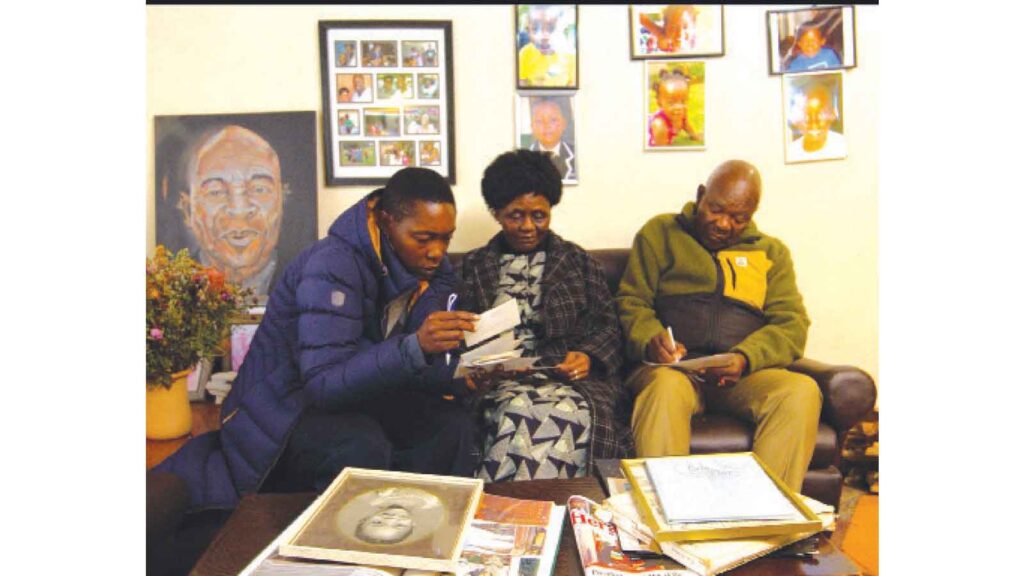
“These are stories of endurance and growth,” Kwaramba says. “They are part of a larger national narrative that deserves to be recorded.”
As interest grows, so does responsibility.
“There is always pressure to scale quickly,” Kwaramba admits. “But we are careful. Growth must not compromise quality or integrity.”
Plans are underway to expand the project into television, allowing these narratives to reach wider audiences.
“Television offers another layer of visibility,” Nemadziva says. “It allows these stories to extend beyond families and become part of collective memory.”
At its core, the project raises a simple but powerful idea that remembering is not passive, but intentional.
In a world where identity can easily fragment, documentation becomes an act of continuity.
“Having a recorded family legacy is no longer optional,” Nemadziva says. “It is a form of grounding. It reminds people where they come from and what they stand for.”
And in that grounding, something quietly transformative occurs.
Connection returns. Memory is restored. Identity is reaffirmed.
And history, once at risk of fading, finds a new form not in silence, but in motion, in image, and in reels that carry memory forward.



