
Emmanuel Kafe
Lifestyle Writer
FAME comes with glitz, glamour, money and red-carpet treatment, yet behind the flashing cameras and cheering crowds lies a steep price: losing the freedom to live an ordinary life.
For celebrities, routine tasks – walking into a supermarket, boarding a commuter omnibus or sharing a quiet dinner with friends – can quickly turn into public spectacles captured on cellphones. From Hollywood A-listers to Zimbabwe’s leading entertainers, fame is both a blessing and a burden. While it unlocks lucrative endorsements, global recognition and exclusive access, it also invites relentless scrutiny that blurs the boundary between professional success and private life.
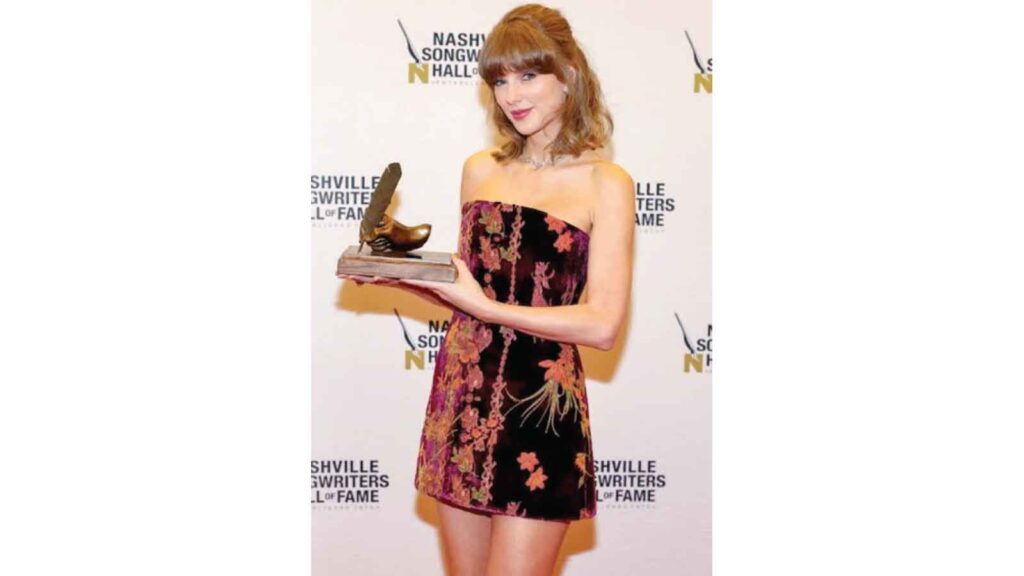
In Hollywood, figures such as Beyoncé, Rihanna, Taylor Swift and Kim Kardashian navigate immense visibility while attempting to shield aspects of their personal lives. Even so, their relationships and family decisions routinely dominate headlines. Similarly, the paparazzi culture trailing stars like Jennifer Lopez and Brad Pitt turns a simple coffee run or airport arrival into global news and social media fodder.
Closer to home, Zimbabwean celebrities face a similar reality as social media transforms ordinary moments into trending topics. For many public figures, fame means strangers feel entitled to know their whereabouts, romantic partners, net worth and private affairs.
Musician Jah Prayzah has largely kept his family and personal life away from the constant glare of publicity, reflecting a growing dilemma among entertainers: how to remain accessible to fans without surrendering their entire lives as public property. Yet privacy rarely curbs curiosity; often, discretion only fuels public speculation.
For comedian Dan Grego, the weight of fame extends into everyday logistics. He has previously revealed feeling self-conscious about using public transport because audiences expect him to drive a car – an admission that underscores the pressure to project constant success. Many fans expect celebrities to wear designer labels, drive luxury vehicles and live lavishly, overlooking the reality that entertainers face the same financial pressures and personal setbacks as anyone else.

This scrutiny extends well beyond the celebrities themselves, affecting spouses, children and relatives who never chose the spotlight.
In a previous interview with The Herald, Sherlynn Sadomba, wife of former footballer Edward Sadomba, described living constantly in the public eye as uncomfortable, though she acknowledged it came with her husband’s career. A casual family outing can quickly become viral content, while private disagreements risk becoming public entertainment.
While international families like the Kardashian-Jenners have built an entertainment empire around visibility, many public figures prefer to shield their children and relatives. In Zimbabwe, protecting those boundaries is increasingly difficult in an era where anyone with a smartphone acts as a commentator or self-appointed gossip reporter.
Veteran actress Mai Jilimba has previously highlighted the harsh treatment entertainers endure online, describing social media as a hostile environment. For artists whose livelihoods depend on visibility, bookings and brand deals, the very platforms that sustain their careers can also become sources of anxiety and emotional strain.

Because modern entertainment operates around the clock, public figures face competing pressures: sharing too much invites further intrusion, while saying too little breeds rumours.
Fame also complicates personal relationships. Celebrities often struggle to distinguish genuine friendships from connections driven by status, money or access, fostering a guardedness that makes trusting newcomers difficult. Romantic relationships face similar strain, where a single photograph can spark dating rumours and a breakup becomes a subject of public debate.
Yet, despite the loss of privacy and relentless scrutiny, fame remains an alluring pursuit – offering opportunities, influence and rewards that continue to draw people into the spotlight.