Theseus Mauruki Shambare-Herald Correspondent
THE Food and Agriculture Organisation (FAO) says Zimbabwe and Zambia have pioneered Africa’s first blue economy strategy for an inland water body under the Lake Kariba initiative, as SADC experts highlight growing momentum in fisheries and aquaculture development in Zimbabwe.
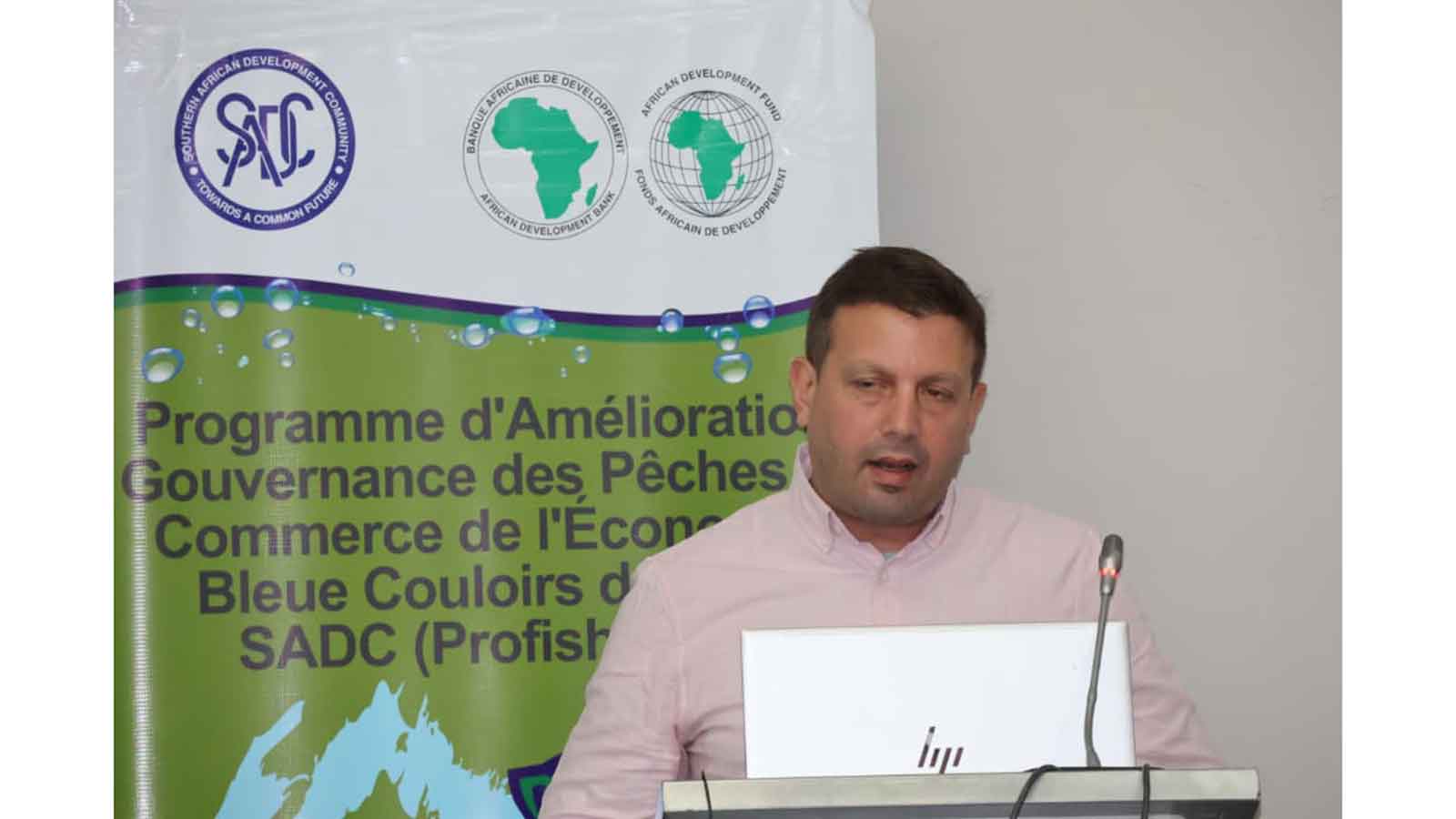
This comes as Zimbabwe’s fisheries sector continues to expand beyond traditional capture fisheries into a broader aquaculture-driven industry, drawing praise from regional partners during the ongoing SADC PROFISHBLUE Project Steering Technical Committee Meeting in Harare.
FAO Subregional Office for Southern Africa Fishery Officer Schmidt Vasco said the technical support provided to Zimbabwe and Zambia helped develop a first-of-its-kind inland blue economy framework designed to guide investment and sustainable management of Lake Kariba.
“So there was a project that asked FAO to support this work on blue economy planning, and it included a strategy on blue economy for the lakes, the first time that such a strategy was developed for an inland water body in Africa,” he said.
Vasco said the initiative also produced an investment plan intended to translate strategy into implementation and attract financing into the sector.
“The other part of the work was to develop an investment plan that really speaks to the strategy, and the idea of the investment plan is to shape the way forward to implement the strategy and also to attract investment,” he said.
He said Lake Kariba’s economy remained heavily dependent on fisheries and aquaculture, which has been expanding particularly on the Zambian side, making it a key area for regional investment.
“As you know, the economy of Lake Kariba, the local economies rely a lot on fisheries and also aquaculture, which has been emerging especially on the Zambian side,” he said.
Vasco added that the strategy also integrates broader natural resource governance priorities, including water management, biodiversity protection and community development around the lake.
“There are also other areas that are extremely important on natural resource management, water management, biodiversity management and all the work with the communities around the lake to achieve development at the community level,” he said.
He warned that climate change and environmental variability are increasingly affecting Lake Kariba’s ecosystem, requiring coordinated regional responses.
“Climate change has been an increasing impact on the lake, climate change and environmental variability,” he said.
Vasco said the blue economy strategy and investment plan were designed to place communities at the centre of development while aligning multiple sectors that depend on the lake.
“This strategy and investment plan is really a way to coordinate and shape what needs to be done on the lake with the people in the communities around the lake at the centre and with the sectors that are important to the lake’s economy, also at the centre,” he said.
Zimbabwe’s fisheries sector has been recording steady growth, with aquaculture expanding into multiple provinces and contributing to national food security and rural livelihoods.
SADC experts say the country’s shift from reliance on traditional capture fisheries towards commercial fish farming reflects broader regional efforts to develop a sustainable blue economy and unlock new investment opportunities.