Online Reporter
Theseus Mauruki Shambare in MHONDORO-NGEZI
THE Food and Agriculture Organisation of the United Nations (FAO), in partnership with the Government, has intensified efforts to digitally transform Zimbabwe’s rural agricultural sector as part of broader initiatives aimed at improving productivity, market access and rural livelihoods.
The intervention comes at a time when agriculture remains the backbone of the economy, supporting the livelihoods of nearly 70 percent of the population and playing a critical role in national food security and poverty alleviation.
Speaking during a two-day review and planning meeting that started on Tuesday in Mhondoro-Ngezi, FAO Digital Villages Initiative coordinator in Zimbabwe Mr Dowsen Sango said the programme seeks to bridge the rural-urban digital divide while modernising smallholder farming systems through technology-driven solutions.
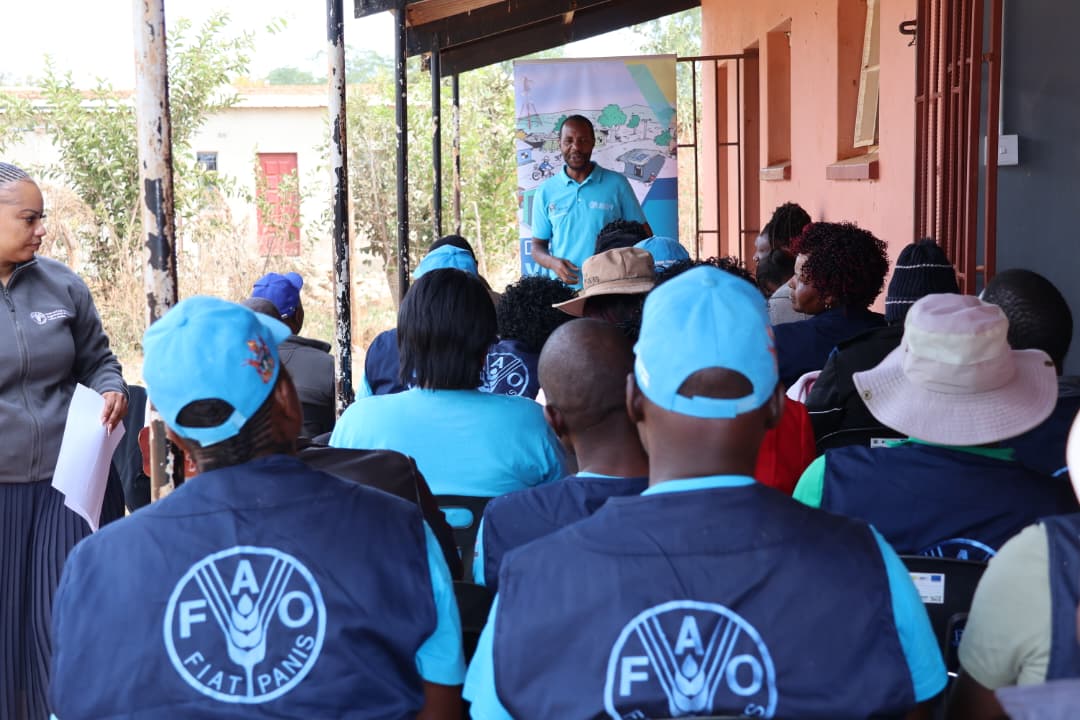
The meeting brought together Government officials, extension officers, agro-dealers, processors and development partners to assess progress made under the “Fostering Digital Villages through Innovative Advisory and Profitable Market Services in Africa (FDiVi)” project, which is also being implemented in Malawi and Rwanda.
Mr Sango said Zimbabwe’s demographic realities made agricultural digitalisation a national priority.
“Agriculture and rural development play pivotal roles in the economic prosperity and social well-being of Africa, including in Zimbabwe,” he said.
“According to the 2022 census, about 61,4 percent of Zimbabwe’s population resides in rural areas, while nearly 70 percent depend on agriculture for their livelihoods. Agriculture is therefore central to the country’s growth, food security and poverty alleviation.”
He said the FDiVi project was targeting local farmers, extension officers, agro-dealers and processors, with particular emphasis on empowering women and youths through digital technologies.

“The project aims to transform agri-food systems in rural Malawi, Rwanda and Zimbabwe using effective digital technologies, including artificial intelligence tools,” said Mr Sango.
“It will facilitate innovative agricultural extension services for increased productivity, enhanced market access and inclusive rural transformation.”
The initiative is testing the use of artificial intelligence-powered chatbots for agricultural advisory services, while also strengthening digital market access platforms for rural farmers.
Mr Sango said the project had now entered its final year, making the current review process critical in assessing progress, identifying impact stories and developing sustainability and exit strategies.
“The review meeting seeks to get firsthand information on progress made on digital advisory services, market access tools, digital capacity building and monitoring systems,” he said.
He said the programme was also promoting “Digital Village Twinning”, a model designed to strengthen village-to-village cooperation, peer learning and knowledge exchange among rural communities.
Agricultural Business Advisory Officer for Mhondoro-Ngezi District Ms Nola Marumbwa said farmers and extension officers had already started benefiting from the training programmes being rolled out under the initiative.
“As we move towards the Ministry’s mandate to achieve food security everywhere, every day, adoption of digital technologies is the way to go,” she said.
“While there is still more that needs to be done, we appreciate the progress made so far and look forward to wider adoption of these technologies as we seek to improve productivity.”
Government and FAO officials expressed optimism that the initiative would leave behind sustainable digital ecosystems capable of supporting rural agricultural transformation beyond the lifespan of the project.
The programme forms part of broader efforts to modernise Zimbabwe’s agricultural sector through innovation, technology adoption and inclusive rural development.