Online Reporter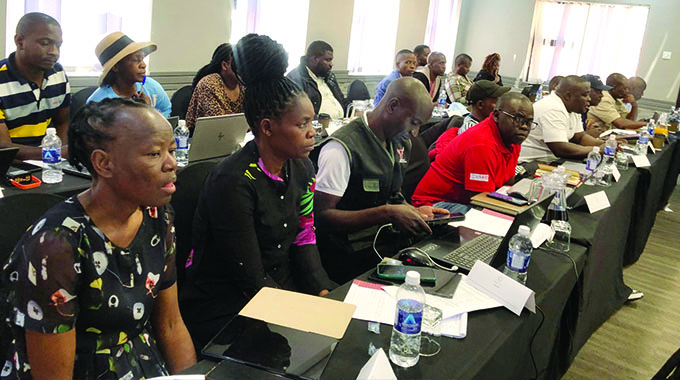
Nomalisa Gumpo and Trish Mukwazo, Zimpapers Writers
AS climate-induced disasters intensify across Zimbabwe, the Food and Agriculture Organisation (FAO) has launched a five-day training workshop in Bulawayo to sharpen the country’s frontline defence against floods, storms, and droughts that continue to erode agricultural productivity and food security.
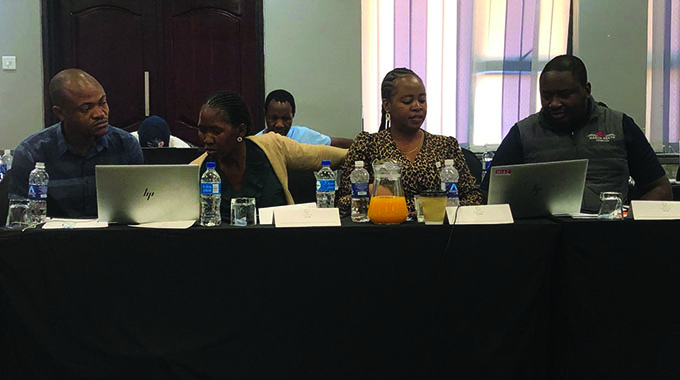
The training, which runs from Monday to Friday, targets agricultural experts from Matabeleland South Province and focuses on using mobile GIS for hazard crowdsourcing and anticipatory action mapping.
The aim is to equip officers with tools to generate real-time, accurate data to predict risks and protect vulnerable farming communities before disasters strike.
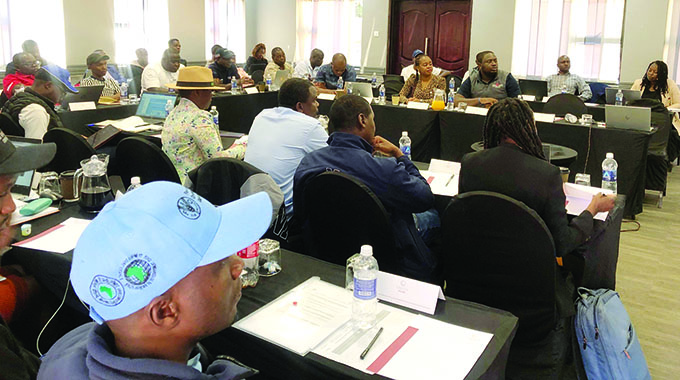
The programme is part of a national initiative introduced in 2019 to institutionalise anticipatory action within Zimbabwe’s disaster risk management systems — shifting from crisis response to proactive prevention through data-driven early warning and technological innovation.
FAO sub-regional co-ordinator for Southern Africa and representative for Zimbabwe, Dr Patrice Talla, said climate shocks were now the top threat to the country’s food systems, but with better early warning, their devastating effects could be reduced.
“Taking actions based on such predictions to support vulnerable communities facing disasters aims to prevent and mitigate the effects of shocks through fast, dignified and cost-effective action that can also protect development gains,” he said.
FAO noted that climate-related disasters have intensified over the past two decades, with humanitarian funding appeals linked to extreme weather rising eightfold since 2000.
The training has brought together frontline officers from seven districts in Matabeleland South — including
Government agricultural departments and services — who monitor livestock health, crop conditions and pest outbreaks.
Dr Talla said building their capacity is critical to ensuring that warnings are understood and acted upon at community level.
“They serve as a direct link between national systems and local communities, ensuring that warnings are understood and acted upon at the grassroots level,” he said.
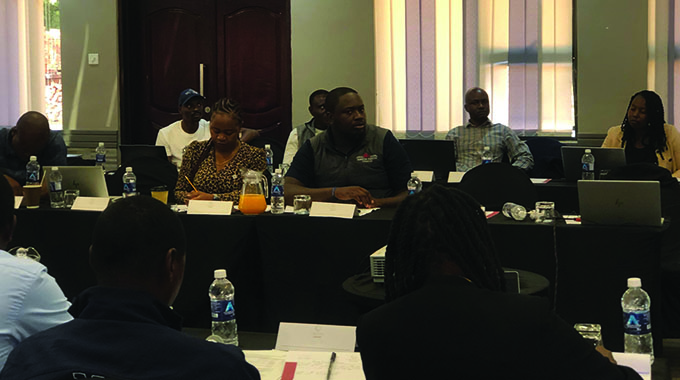
Matabeleland South was chosen for the workshop because it has hosted most of Zimbabwe’s anticipatory action pilot projects. FAO now plans to scale up the approach nationally, subject to funding.
The training also comes as FAO marks its 80th anniversary under the theme “Hand in Hand for Better Food and a Better Future”, reflecting its commitment to supporting Zimbabwe’s agrifood systems through innovation, inclusivity and partnerships.
“By working hand in hand, we can ensure everyone has access to safe, nutritious and affordable food while protecting natural resources for future generations,” Dr Talla said.



 Blessing Chizhande