Online Reporter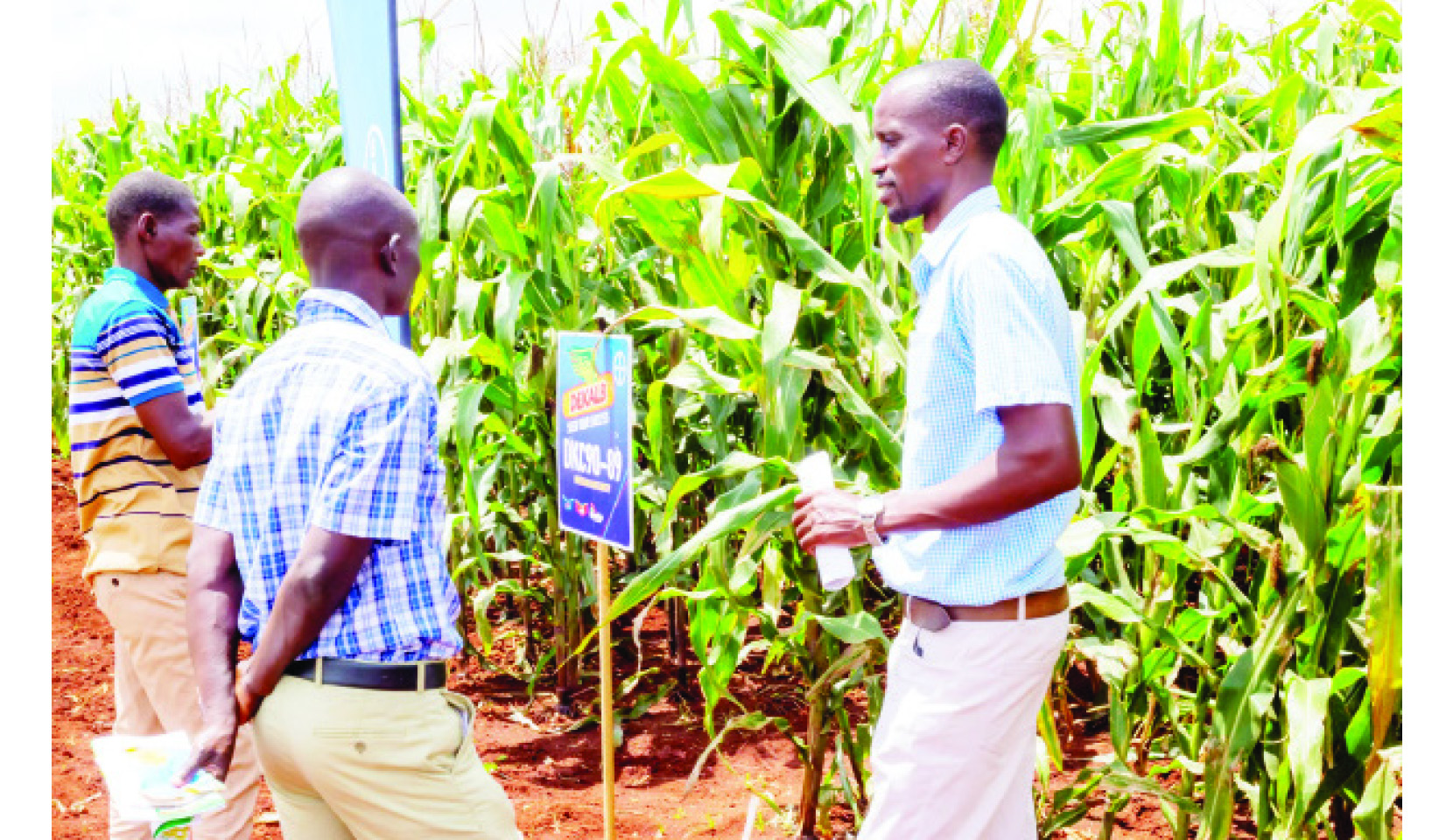
Patience Maturure-Agriculture Correspondent
The Government has underscored the need to revive farmer-led innovation hubs where farmers and researchers collaborate to find solutions to challenges affecting the agriculture sector.
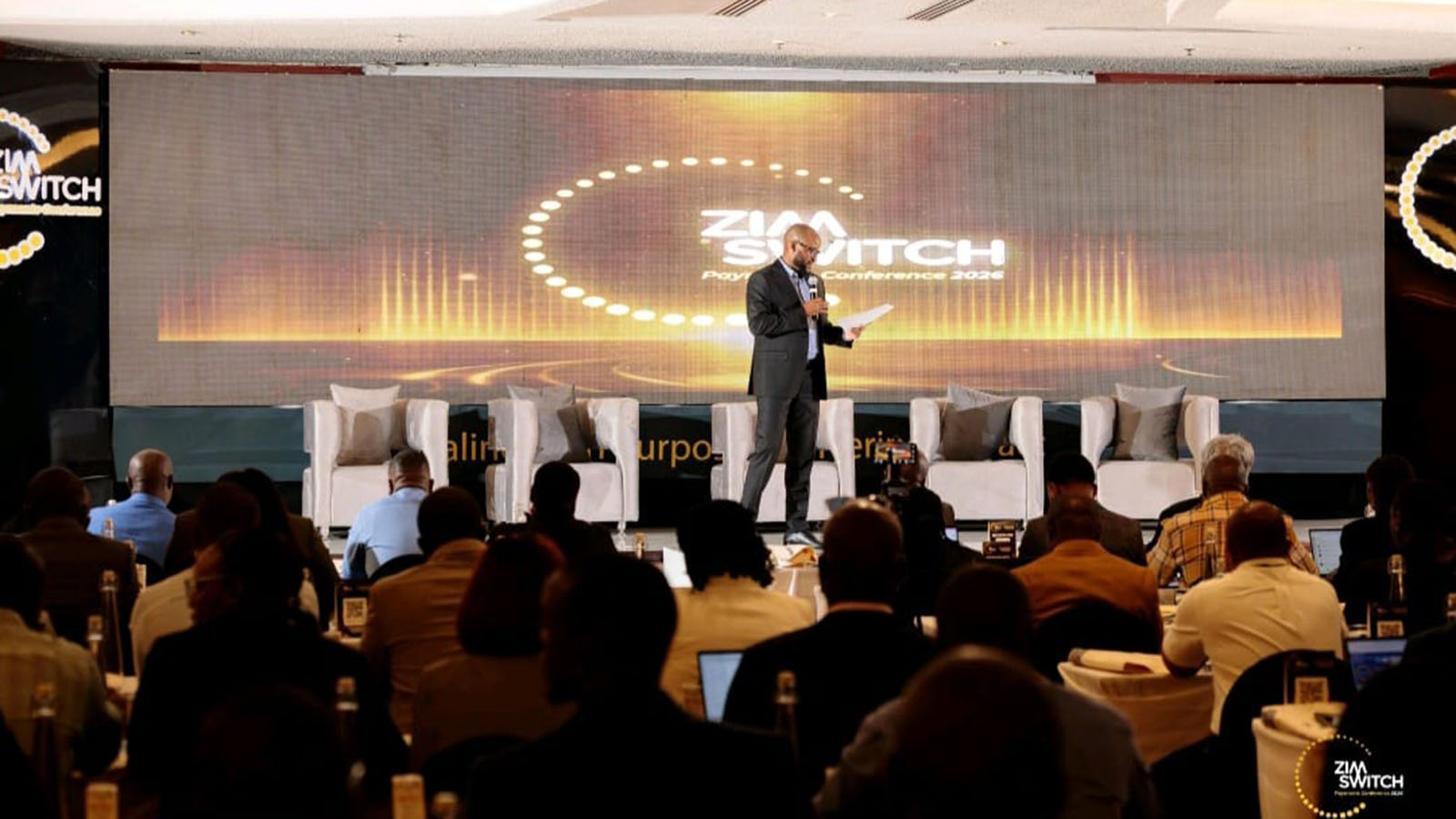
Lands, Agriculture, Fisheries, Water and Rural Development permanent secretary, Professor Obert Jiri, made the call while officiating at the Agricultural Research and Extension Symposium on Wednesday.
Prof Jiri said farmer-led innovation hubs would improve the efficiency and effectiveness of extension services, allowing officers to provide timely and targeted support to farmers.
“Innovation dies on laboratory shelves without effective extension services. Our extension officers are the unsung heroes who translate science into action. Yet, many lacked the digital tools.
“This was until the ministry stepped in to equip all extension officers with state-of-the-art tablets. Let us revive farmer-led innovation hubs, like the successful model in Mhondoro-Ngezi, where researchers and farmers co-design solutions,” he said.
The Government is investing a lot in research and innovation, and Prof Jiri said Public-Private Partnerships are also important as a strategy for both resource leveraging as well as infrastructure and knowledge sharing.
“Collaborations bring accelerated innovations, enhanced impact, improved research quality and increased adoption of research findings,” he said.
Prof Jiri said research was important in understanding the complex systems that shape food systems.
“By studying the social, economic, and environmental factors that influence agriculture, we can develop policies and programmes that support farmers and rural communities.
“The benefits of agricultural research are clear. It can help us achieve food security, reduce poverty, and promote sustainable development. But we need to invest in research to make this happen.
“Let’s harness the power of science and technology to build a more sustainable future for all.
‘‘By doing so, we can ensure that agriculture continues to be a driving force for economic growth, food security, and sustainable development.”
The Ministry of Lands, Agriculture, Fisheries, Water and Rural Development supports research, innovation, and development through several research institutes under the Directorate of Research, Innovation and Specialist Services (ARISS), Department of Veterinary Services, Water Resources, Irrigation Development and WASH, as well as Agricultural Engineering, Mechanisation and Soil Conservation Department.
These institutions provide research-based technologies and technical information for advisory services and research products supporting enhanced agricultural productivity and production of both crops and livestock.
The ministry also collaborates with the Consortium of International Agricultural Research (CGIARs), including the International Maize and Wheat Improvement Centre (CIMMYT) on maize and wheat, the International Crops Research Institute for the Semi-Arid Tropics (ICRISAT) on traditional grains and legumes (sorghum, millets, groundnuts and many others), ICARDA on wheat, as well as International Center for Tropical Agriculture (CIAT) on beans.
Prof Jiri said the Government was reviving the agriculture sector and had also secured US$50 million from the Green Climate Fund for agro-ecology projects to accelerate land audits, ensuring secure land tenure and incentivising technology adoption.
“With limited fiscal space, we must attract diaspora investment and leverage global climate funds.
‘‘The Government’s ongoing land audit must be expedited, while rehabilitating irrigation schemes like Tokwe-Mukosi and Arda estates,” he said.