Chronicle Editor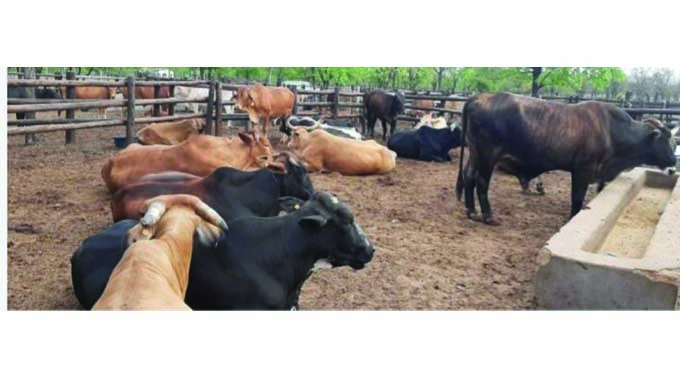
Judith Phiri, Farming Reporter
A SMALL to medium-scale beef cattle producer, Mr Pahlela Phikanisi (60) recorded the top two best-selling steers at a cattle auction in Chiredzi after pen fattening them for over a month.
Mr Phikanisi of Musisinyane Village of Chikombedzi in Chiredzi District was one of the 38 farmers who inducted their cattle at the Mhlanguleni and Chanienga Satellite cattle business centres (CBC) feedlots in the district. In the recent Zimbabwe Agricultural Growth Programme newsletter, Mr Phikanisi said he sold the two Brahman cross after feedloting them and they were valued at US$2 064.
“I sold two Brahman cross steers after feedloting them for 45 days during which time they gained an average weight of 95 kg. The two animals weighed 690kg and 670kg and improved grade from economy at induction, up to commercial at slaughter. They had a total value of US$2 064 after slaughter,” he said.
He also noted that after deductions for the costs feed, induction, grading and inspection, he took home US$1 682 and used part of the proceeds to purchase a variety of household items for his family and agricultural inputs for the four-hectare plot where he planted maize and sorghum.
Mr Phikanisi said farmers in the area have been struggling with a market dominated by middlemen who purchase cattle at very low prices and then make huge profits.
“This scenario discourages many farmers and we have realised that this trend also discourages investment in animal husbandry by the farmers in the district,” he said.
Lack of organised marketing of cattle in Zimbabwe is one of the bottlenecks affecting beef cattle production. As a result, smallholder farmers resort to the informal way of marketing their cattle, with middlemen arbitrarily setting prices and offloading the animals at cattle auction points and to abattoirs in towns often benefiting more than the farmers themselves.
Meanwhile, the newsletter also reported that the Beef Enterprise Strengthening and Transformation (BEST) project engaged First Mutual Micro Finance (FMMF) to pre-finance purchase of feed from Windmill for pen fattening. It also noted that farmers signed a contract with the financier to pay for their feed and for MC Meats to deduct its value and repay the loan when the cattle were slaughtered.



 Online Reporter