

 Online Reporter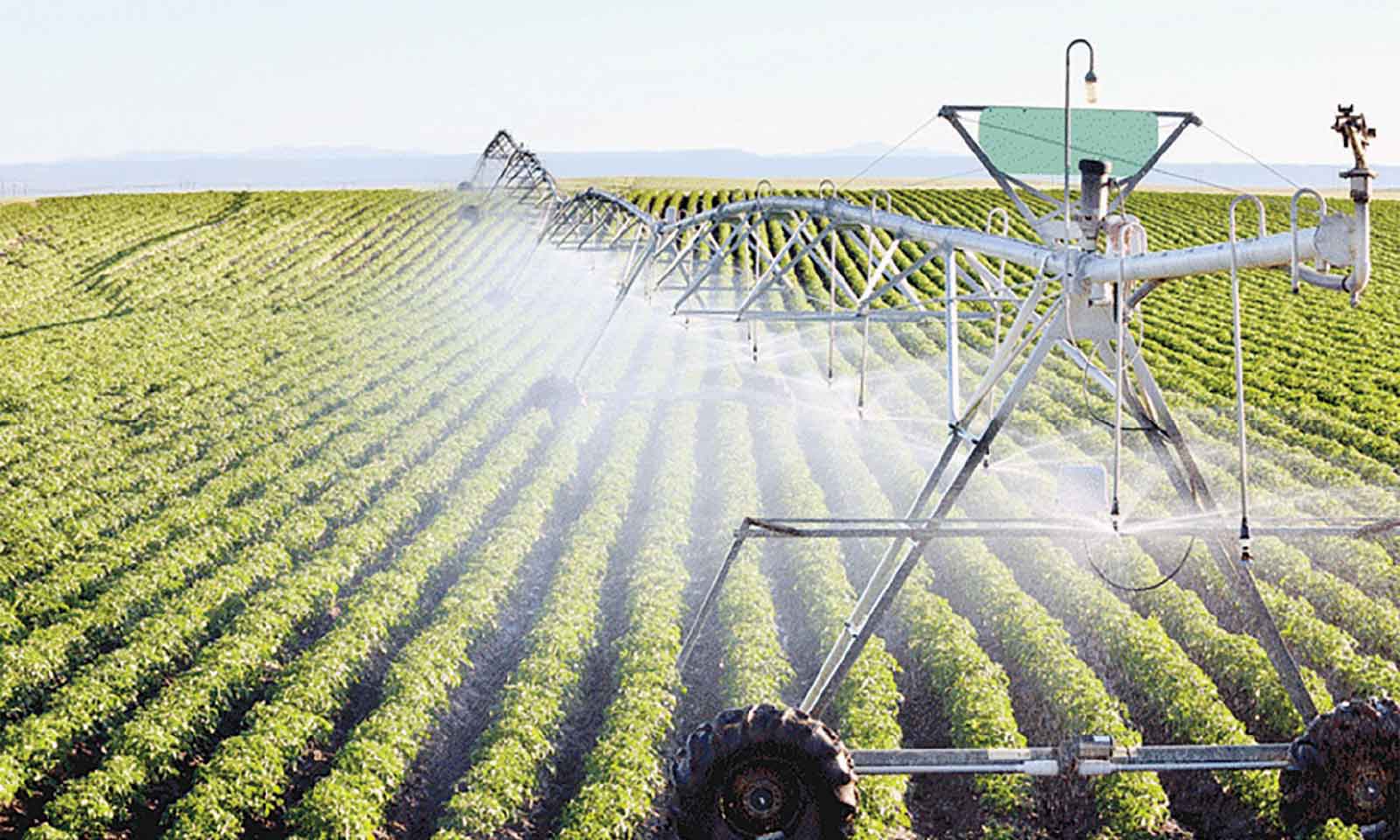
Anashe Mpamombe
ZIMBABWE’s farmers are facing a weather puzzle that grows more complicated every year. Rains that once fell steadily between November and March now arrive late, stop abruptly, or pour heavily when the soil cannot absorb them. In some years, the eastern highlands may see more than 1,000 millimetres of rain, while semi-arid areas like Matabeleland South get only 250–500 millimetres. For farmers who depend on rain-fed maize, these unpredictable patterns can mean disaster.
Experts say that global climate events like El Niño and La Niña have made rainfall increasingly unreliable. El Niño years, like the severe drought of 2023–24, bring scorching heat and little rain, leaving millions of farmers struggling to feed their families. In contrast, some recent forecasts warn of above-normal rainfall, raising the risk of floods in low-lying areas. The message is clear: Zimbabwe’s weather is no longer predictable, and farmers must adapt to survive.
Climate-smart agriculture a practical way of farming that reduces the risk of crop failure, improves yields, and makes farms more resilient to droughts and floods. While the term sounds technical, the principles are straightforward: plant crops suited to local conditions, manage water carefully, take care of the soil, use helpful tools and information, and link production to reliable markets.
Choosing the right crops is a critical first step. Traditional grains such as sorghum, pearl millet, and finger millet are naturally drought-tolerant and can withstand erratic rainfall much better than maize. In parts of Matabeleland South, farmers who planted these grains had reliable harvests even during dry spells, giving their families food security and a source of income. These grains are also nutritious and can be used for both human consumption and animal feed, providing multiple benefits for smallholder farms.
Water management is equally important. Farmers can capture rainwater by building small dams, digging pits, or creating ridges and furrows to hold water in the soil. In areas with irrigation, drip systems and small solar-powered pumps allow farmers to produce more than one crop per year, even if the rains are unpredictable. Communities that manage water together through local associations find it easier to ensure every household has enough for crops and livestock.
Information is a powerful tool. Simple weather alerts, seasonal forecasts, and local rain measurements help farmers decide when to plant or delay sowing. Farmers who have access to this information reduce the risk of planting at the wrong time and losing crops to dry spells or floods. Mobile phones, local extension officers, and community networks are helping to spread this knowledge faster than ever before.
Learning and sharing new techniques is another cornerstone of climate-smart agriculture. Practices like intercropping, timely weeding, and soil conservation make fields stronger against both drought and heavy rains.
Farmer field schools and community training programs have proven that small changes in planting and soil care can dramatically improve harvests.
Women and youth, who are active in agriculture, can also become climate-smart entrepreneurs, growing vegetables, raising livestock, or processing grains for sale.
Finally, farmers must be able to sell what they produce. Linking drought-tolerant crops to reliable markets encourages adoption of climate-smart practices. Adding value, such as milling millet into flour or producing animal feed, increases income and reduces dependence on unpredictable raw crop prices. When farmers see a reward for their efforts, they are more likely to adopt new techniques and crops that will protect their livelihoods.
Zimbabwe’s farmers face a future of uncertainty, but they also have opportunity. Climate-smart agriculture is practical, adaptable, and rooted in everyday experience. Farmers who plant resilient crops, manage water carefully, care for the soil, use weather information, and connect to markets will not only survive unpredictable rains — they will thrive.
The rains may be unpredictable, but farmers’ response does not have to be. By embracing climate-smart practices, Zimbabwe’s farmers can safeguard food for their families, stabilise incomes, and build farms capable of withstanding the shocks of a changing climate. It is not just about survival it is about turning climate risk into resilience, one field at a time.



