Judith Phiri [email protected]
FARMERS have called on the Zimbabwe Energy Regulatory Authority (ZERA) to prioritise their climate contingency energy pillar which focuses on building infrastructure resilience, securing power supply backups and diversifying energy mixes to withstand extreme weather and transition risks.
This comes as Zimbabwe is bracing for a dry and erratic 2026 to 2027 rainy season driven by an 88 percent to 94 percent probability of a strong or “super” El Niño phase, according to updates from the Meteorological Services Department.
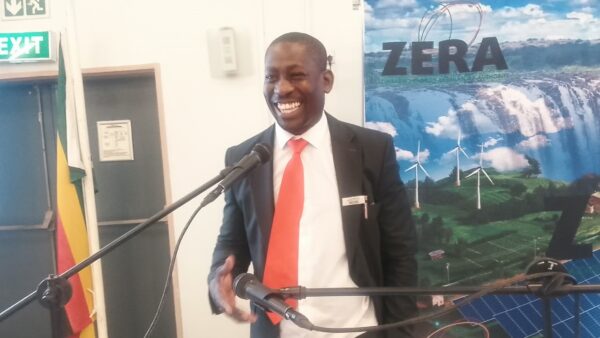
Speaking at the 2026 Pre-Strategy Review Meeting Workshop for Stakeholder Consultation and Feedback in Bulawayo on Thursday, Zimbabwe Commercial Farmers Union Matabeleland North Chairperson, Mr Thembelani Mpofu said planning ahead for the erratic rainy season was critical.
“The Meteorological Services Department are telling us that we are going to be faced by a serious pandemic that is going to hit us very hard. What we are saying as farmers, once that happens, our crops are going to suffer if a drought is coming.
“We are afraid of hunger. It’s going to come, one way or the other, but what we are saying as
farmers, can ZERA please do assist us we cannot depend on rain alone. We need to do irrigation which requires energy,” he said.
“Most of our smallholder farmers are not going to harvest anything if we depend on rain alone. We therefore propose to ZERA that have a climate contingency energy pillar. Prioritise energy for solar and small dams now.”
He said this will directly support the National Development Strategy 2 (NDS2) which has a
target of 35 000 solarised village programme for national security.
Mr Mpofu said the moment irrigation is not viable for smallholder farmers, to irrigate a quarter of a hectare, one has to spend between US$45 and US$50 or more on diesel.
“The national grid is far away for most of our farmers. What we are saying, we propose that you assist us as our farmers. You connect us to the national grid. We create mini grids on different farms.
“All the land is there actually. We are saying as farmers, we can provide. Let’s work together and
assist one another and make Zimbabwe great again. We also appreciate the issue of lowering of fuel prices,” he added.
He called for decentralising of ZERA monitoring teams in Matabeleland so that they can be close to farmers, while also proposinf smart solutions for new electricity plants across the country.
Mr Mpofu said they propose smart agriculture tariffs to be introduce and off-peak irrigation tariffs.
“Let us irrigate at night from 10pm to 5am at a lower cost. We get cheaper power and ZERA gets lower balancing. We reduce pressure on the daytime grid.
“Secondly, let’s have a seasonal cooperative tariff. From October to January, our plant this season gives registered farmer cooperatives a stable and predictable energy prices. Let us stop the price shock during the season when we need you the most,” he added.