

 admin
admin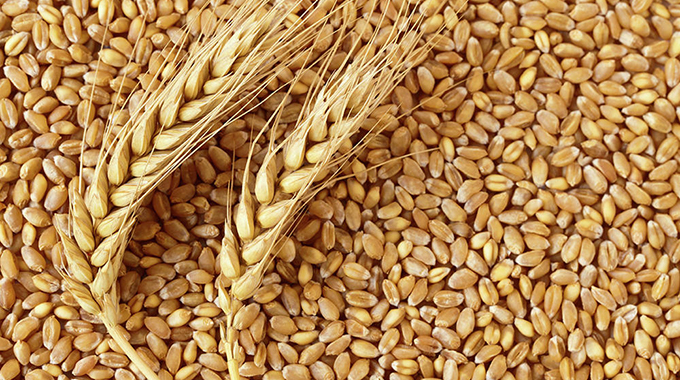
Precious Manomano Herald Reporter
Farmers have harvested more than the national annual demand of 360 000 tonnes of wheat, having cut 369 166 tonnes from the 76 000 hectares harvested so far, with another 5 700ha still to go as the reserve stock is built up.
With 93 percent of the planted area now harvested, the total harvest is expected to reach 380 000 tonnes, the largest ever and the first time the country has reached self-sufficiency since commercial winter wheat was planted in 1996,
Zimbabwe is anticipating a harvest of 380 000 tonnes this year, which will make it the biggest ever.
Agricultural Advisory and Rural Development Services chief director Professor Obert Jiri said the department has extension workers on the ground tracking the production of crops, and have recorded the 369 166 tonnes as safely harvested.
“Our role is to track production so we have tracked production of wheat and we are assured that farmers have accumulated 369 166 tonnes but this is not the final result as we are still compiling to see our final results for wheat production. But for now, these are our wheat production results,” he said.
Much of the harvested wheat has already been delivered to the GMB and the contracting millers, but a reasonable amount is still on the farmers undergoing final drying before being delivered and paid for.
The weekly update from Agricultural and Rural Development Advisory Services indicates that most of the provinces have completed harvesting with some wheat has been downgraded due to the rains received in the last few days and destruction by veld fires. But the destruction and damage is very localised and Zimbabwe is already guaranteed a reasonable surplus in carryover stocks.
Zimbabwe Indigenous Women Farmers Association Trust president, Mrs Depinah Nkomo, said the progress was well appreciated, and urged farmers to work even harder next season.
“Yes this is greatly appreciated. Farmers are working hard to ensure that the country becomes self-sufficient.
“Challenges such as rains and veld fires have affected the output but this is a good output since we are still waiting for about six percent of the crop which is not yet harvested. This is a positive development towards food security,” she said.
Zimbabwe Commercial Farmers Union president Dr Shadreck Makombe said farmers should plant early next season, starting in April to minimise the risk of rains and veld fires with an earlier harvest.
Almost all wheat is grown under full irrigation, although there is a small output from small-scale farmers of controlled farming on wetlands. But while wheat does require the cooler temperatures, farmers can successfully plant in April.
Mashonaland West was leading in wheat production with 136 199 tonnes followed by Mashonaland Central with 66 923 tonnes and Mashonaland East 54 620 tonnes.
In Zimbabwe, wheat is the second most important cereal crop after maize.
Last season, farmers produced wheat that covered nine months’ supply of local demand showing that a reasonable extra effort would take the country into self-sufficiency. This security was required since global wheat markets have been affected by the conflict in Ukraine, since it was a major exporter together with Russia.
By backing and paying its own farmers the Second Republic led by President Mnangagwa has by ensuring all arable land was put to good achieved national food self-sufficiency.



 Online Reporter