

 admin
admin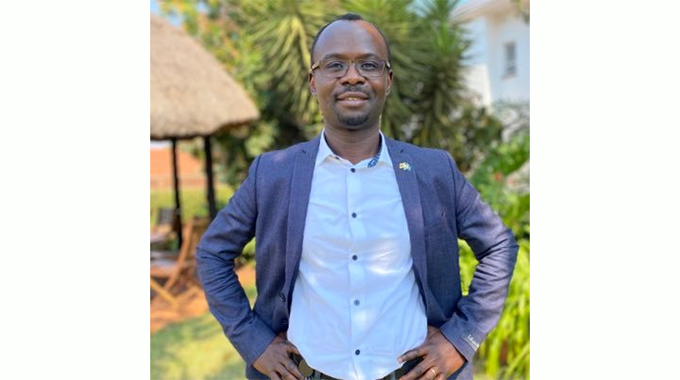
Rumbidzayi Zinyuke Senior Reporter
The Swedish Government has invested US$6 million in a project aimed at supporting communities in four districts in climate change adaptation initiatives.
The Utariri Project, which will be rolled out in Mbire, Hurungwe, Muzarabani and Nyaminyami districts starting next month, will run for three years.
Utariri is a Shona word meaning stewardship.
Deputy head of mission and head of development cooperation at the Swedish Embassy in Zimbabwe Dr Berthollet Kaboru said the initiative would build resilience in the communities that will benefit from the project.
“The objective is to support communities around Mbire and surrounding areas so that they can contribute to climate change efforts. The Government of Zimbabwe has ambitious programmes and we are trying to align with these to make sure that the local communities are properly aligned and that they gain most of their livelihoods from activities that are climate smart,” he said.
He said activities that would be supported by the project include reforestation and income generation projects that allow communities to deal with climate related challenges.
The project will be implemented by Dan ChurchAid as the lead organisation in partnership with African Wildlife Foundation, the Future of Hope Foundation, among others working with various Government departments that include Agritex, the department of social development, Environmental Management Agency, National Parks and Wildlife and the Ministry of Women Affairs.
Dan ChurchAid country director Mr Mads Lindegaard said the partners were working towards creating stewardship towards biodiversity by communities.
“Very few Zimbabweans are actually aware of the incredible potential wealth that nature conservation has had in this country but in order to be able to preserve nature, communities need to have decent livelihoods. If one is hungry why would they protect the animals that destroy their fields? We need to find ways of giving communities the ability to have good livelihoods and at the same time understand the potential wealth that nature can bring in terms of tourism, hunting and sustainable harvesting of nature,” he said.
Mr Lindegaard said that they were going to take a holistic approach that involved more partners to ensure that they cover all aspects of biodiversity from water, farming, reforestation and also protection of wildlife in a way that allows communities to coexist more safely with animals.
“After the three years is up, we want to see communities that have gained increased understanding of the role biodiversity plays in their lives. They should understand why it is important to preserve trees in order to continue having water in the well or stream and why it is important to preserve nature to keep the temperatures down so that you can succeed in your fields as well. We want to see communities getting into the value chain,” he added.
He said the project would support the production of chilli by communities as a way of chasing away elephants from their fields.
The chillies would then be exported to markets like China where there is high demand, thus improving income for the farmers as well as the country’s foreign currency earnings.



 Online Reporter