Online Reporter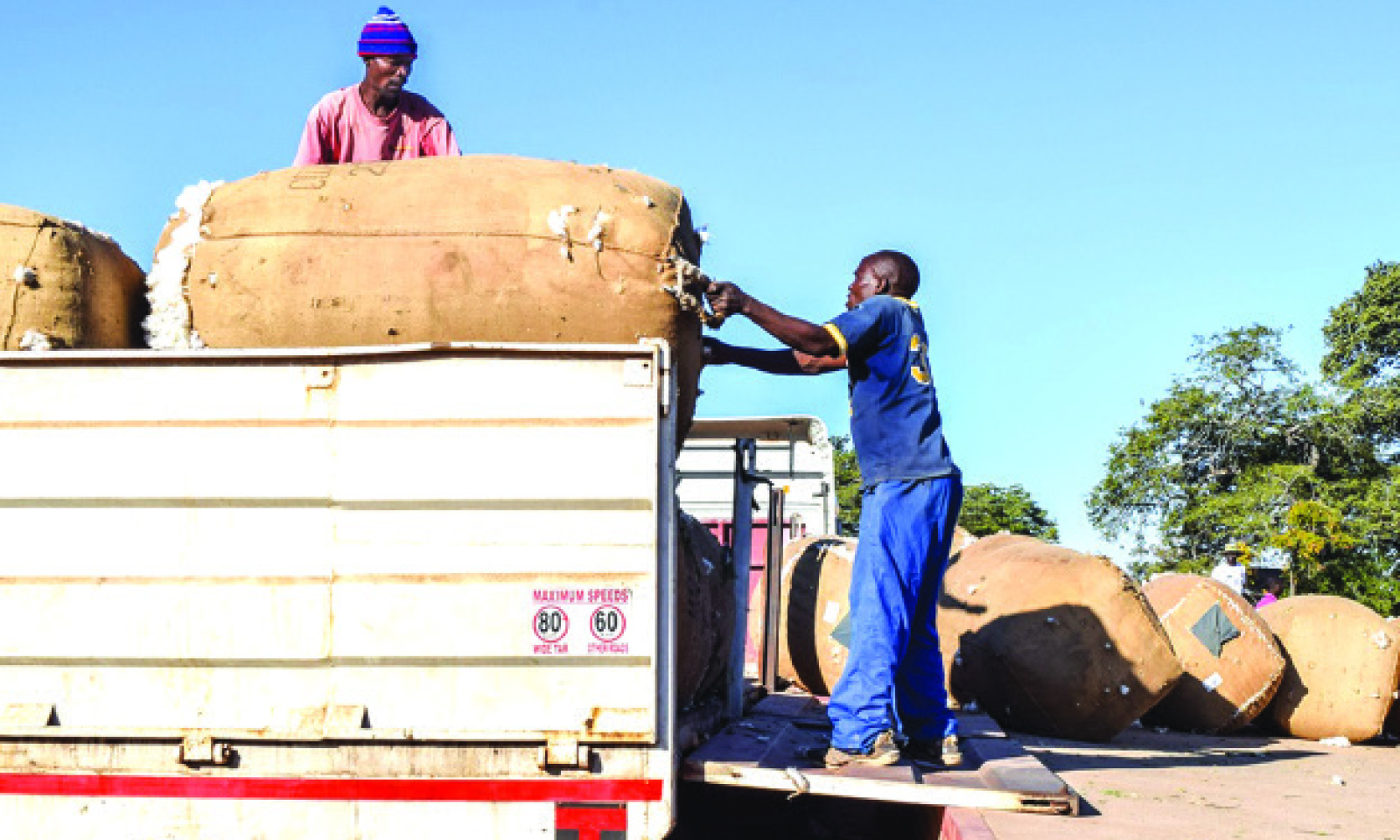
Obert Chifamba
Agri-Insight
IN recent times, the agricultural marketing landscape has undergone momentous transformations, some of which have far-reaching effects on farmers’ operations and financial well-being.
Today, as we assess these changes, it is crucial to understand their implications on the farming community, particularly in sectors such as cotton production where for years many farmers did not understand the payment modalities and were just happy to get their fat cheques season after season.
Payments for cotton and maize, for instance, would come in the form of a cheque that was sent by mail to postal addresses farmers would have provided. Usually, this would be at neighbouring schools or business centres, as long as they were officially recognised. I vividly remember that parents would give their children strict instructions not to miss the Friday afternoon assembly at school where mail would be distributed to intended recipients.
This would happen a couple of weeks or so after delivering produce to either Grain Marketing Board (GMB)or Cotton Marketing Board (CMB)depots across the country.
Most of the farmers would then go and cash out the money at general dealer shops, banks or input suppliers where they would buy various forms of merchandise before getting some hard cash for later use. For cotton, the cheque would come courtesy of the then CMB while the GMB would deal with grain matters, which were predominantly maize, then.
The marketing season was a time farmers and their families would look forward to and it was also the time they would attend to all pending matters requiring money to be addressed.
Cotton farmers would wait eagerly for what they thought was a bonus coming through the generosity of the CMB. I only learnt that it was not a bonus, but a grade-based price differential that would be arrived at after the final grading of the white gold given that is all treated as belonging to grade D at the time of delivery.
This means that the first payments would be for grade D even if the quality of the lint is way better than that.
This is later followed by the final grading that will allow the farmer to be awarded the correct grade for their produce then the initial payment would be subtracted from the final earnings, and the remainder dispatched as the final payment.
This was the money farmers would use to wrap up preparations for new seasons and even buy new clothes their families needed for the Christmas and New Year holidays. This was just so exciting and the transition from one season to the next was seamless.
This practice of re-grading — wherein cotton was assessed for quality and adjusted pricing accordingly — often left farmers grappling with complex accounting. The lack of clarity regarding payment structures meant that some farmers perceived their income inaccurately, leading to potential financial mismanagement and unrealistic expectations.
I guess someone, somewhere just took it for granted that farmers were also aware of this marketing and payment matrix.
However, the good thing is that these farmers still managed to make the most of the system despite its skewed nature and would immediately pool funds for the procurement of inputs in groups. This would allow farmers to establish early crops every season, something that enabled them to produce enough both for the market and food security.
Fast forward to the 2000 and beyond after the Government implemented the land reform programme and the West did not take kindly to the move and responded by imposing sanctions on the country, which completely changed the agricultural production and marketing terrain.
There were disruptions in almost every segment of the production process with most processes rendered redundant after being cut off traditional lifelines, as sanctions took their toll.
Critical processes such as the procurement of agricultural inputs was not spared, as prices were influenced through man-made shortages designed to punish the citizens for reclaiming their land.
Many farmers had been used to cooperative models for procuring seeds, fertilisers and equipment, allowing them to benefit from bulk purchasing discounts and shared knowledge. This collective approach enabled them to pool resources and mitigate costs effectively.
The sudden change in the agricultural landscape in terms of markets, service availability and the pricing volatilities created an increasingly complex environment.
Farmers were now faced with an array of challenges including fluctuating commodity prices, climate change impacts that incidentally came at a time when characterised by shifting consumer preferences. Many farmers were left scrambling to adapt, often without the support systems that cooperatives once provided.
However, the situation was to start changing for the better, with Government coming up with a number of initiatives to support the farmer during the production and marketing processes. Many things have changed in the sector and what we have now is a renaissance farmer who does not observe a stone that is about to strike him without springing into action.
It is unfortunate that some markets are still “captured” and not as friendly to our farmers as they used to be before the land reform, but the Government and some liberal markets have come in handy.
It is also fast becoming necessary for farmers to embrace education and resource-sharing initiatives that can help them navigate this changing landscape. Enhanced access to market information, financial literacy programmes, and cooperative efforts can empower them to make informed decisions, optimise their incomes, and strengthen their position within the market.
At the moment the agricultural marketing landscape is still at a crossroads – with both challenges and opportunities ahead. And by acknowledging the strengths of the lessons learned from the past and fostering collaboration among producers, stakeholders can work towards a more sustainable and prosperous future for agriculture. Farmers just need to remain vigilant and adaptable to ensure that they are not just surviving, but thriving in this ever-evolving industry.
The country’s march towards the 2030 dream of becoming an upper middle income economy has brought with it a fresh perspective to agriculture with every farmer now treating his activities in the same manner a conventional company owner treats her job. Farming is a business that requires the farmer to put on new lens and see the opportunities that are there through the adoption of the correct initiatives.
It is this ‘farming as a business’ spirit that is also critical in shaping the marketing landscape, as all farmers are now producing crops for the dollar. Farming has now easily become the biggest source of livelihood for millions of Zimbabweans and looks set to even change the historical migratory pattern from rural-urban to urban-rural.



 Bongani Ndlovu