Chronicle Editor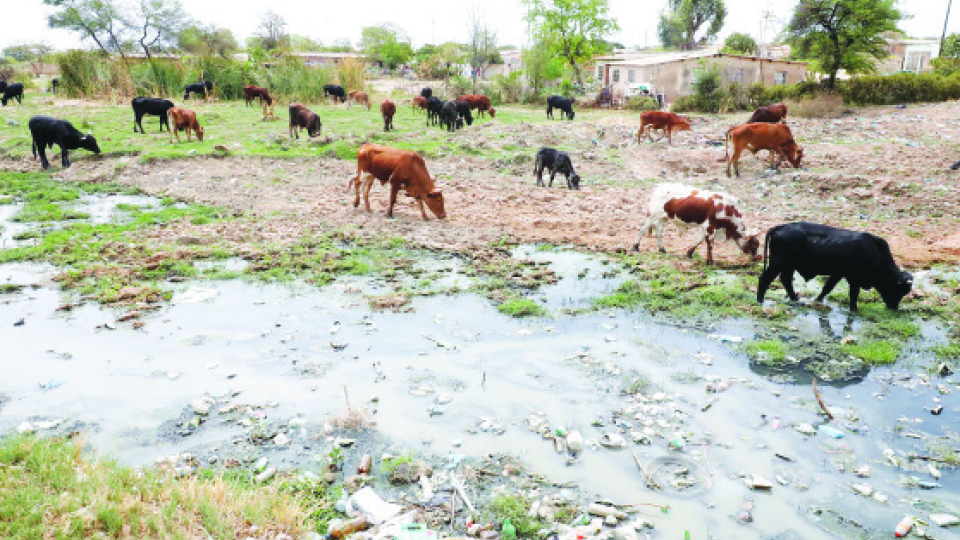
Raymond Jaravaza, [email protected]
THE Department of Veterinary Services has sounded the alarm for farmers to stay vigilant against livestock diseases following the onset of the rainy season, saying these diseases could potentially devastate herds if left unchecked.
The Meteorological Services Department (MSD) has forecasted good rains for the 2024/25 season, attributed to the La Niña weather phenomenon, which promises normal to above-normal rainfall across Zimbabwe and southern Africa. While this is a welcome development for crop farmers preparing their fields, livestock farmers are being urged to brace for the challenges that come with the rainy season.
In an interview, the Department of Veterinary Services director, Dr Jairus Machakwa, said tick-borne diseases (TBDs), soil-borne diseases such as anthrax and Blackleg, and vector-borne diseases like lumpy skin disease are expected to surge during the wet season.
“Vector-borne diseases such as lumpy skin disease increase during the rainy season. Key tick-borne diseases to watch out for include heart water, theileriosis (January Disease), anaplasmosis (gallsickness), and babesiosis (redwater). These diseases spread rapidly due to increased tick activity,” he said.
“Proactive measures, such as tick control and vaccinations, are crucial to mitigate risks associated with tick-borne and soil-borne diseases.”
Dr Machakwa said anthrax and Blackleg pose a significant risk to livestock.
“The diseases are typically contracted when animals ingest spores while grazing close to the ground, where there is contaminated soil,” he said.
Blackleg is a fatal cattle disease that produces an acute local infection, and the resulting blood poisoning leads to rapid death. The name blackleg derives from the fact that the site of infection is often a leg muscle and that the affected muscle is dark in colour.
Every year local farmers lose countless cattle to theileriosis, commonly known as January disease — a tick-borne disease that usually affects cattle between December and March, with a peak in January.

To curb the spread of tick-borne diseases among livestock, the Department of Veterinary Services encourages farmers to take precautionary measures.
“Regular cattle dipping conducted weekly during the rainy season effectively controls tick populations. Farmers are also advised to ensure constant tick grease application. Applying tick grease between dipping sessions helps to maintain effective protection against diseases,” said Dr Machakwa.
The department also advised farmers to consult with veterinary staff to vaccinate against major tick-borne diseases such as January disease before the rainy season.
“This allows the animal sufficient time to develop immunity. The Department of Veterinary Services currently produces these three vaccines, which are easily accessible locally to farmers across the country. Regular inspection of cattle for ticks and reporting any signs of illness to the nearest veterinary office is also encouraged,” said Dr Machakwa.
He further warned against the illegal movement of livestock to prevent the spread of pests and diseases.
Dr Machakwa said regular inspection of livestock for ticks and early reporting of illnesses to veterinary offices are also encouraged.
“The first rains have resulted in the growth of green grass in grazing pastures and along highways and farmers are warned to stay watchful of bloat, a life-threatening condition in ruminant animals,” he said.
“When animals graze young, lush pasture, especially with high legume content, it results in natural foaming agents trapping gas in the rumen, preventing belching and leading to pressure build-up and that can be fatal.”
Dr Machakwa said signs of bloat include loss of appetite, reluctance to move, distress, rapid breathing, and staggering.
“Untreated bloat leads to compressed lungs, obstructed blood flow and death. To prevent bloat, farmers must restrict pasture intake by limiting grazing time. Feeding hay before turning onto pasture also helps,” he said.
Dr Machakwa said farmers should ensure clean resting environments for livestock through the rotation of kraals, frequent changing of wet bedding for poultry, and strict hygiene on dairy farms.
“Young animals such as calves, kids, lambs, chicks and those that are sick or weak should be properly housed and protected from rain, windy and cold conditions which may lead to diseases such as pneumonia,” he said.



 Online Reporter