Online Reporter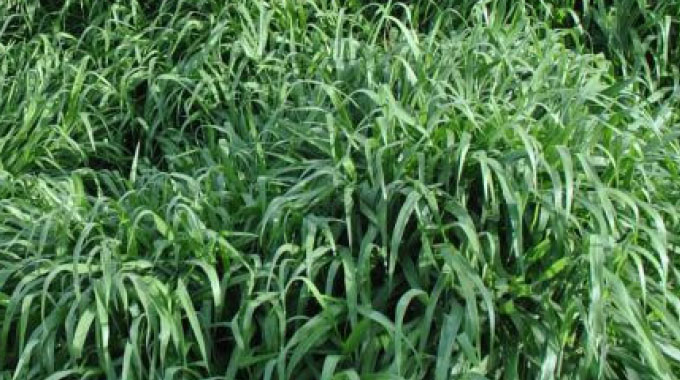
Sikhulekelani Moyo, Business Reporter
WITH the rainy season drawing to an end, experts in the livestock sector have called on farmers to harvest and bale any available forage in preparation for the upcoming dry season.
Livestock deaths due to starvation have been a recurring problem for farmers during dry seasons and droughts. To mitigate the losses, many farmers have adopted supplementary feeding as a drought alleviation strategy.
However, supplementary feed can be costly, making it unaffordable for many smallholder farmers who rely on natural pastures.
This situation has prompted experts to train farmers to produce their feed by harvesting various plants and preserving them for future use.
Matabeleland South provincial livestock specialist, Mr Hatitye Zondai, advised farmers to begin their fodder production. He also urged them to exploit water harvesting techniques to conserve water for their animals.
He recommended that farmers select crops suitable for silage production, such as maize, sorghum or legumes noting that these are high-yielding and should be harvested at the milk dough stage or at 50 percent flowering when their nutritional value is high.
“Regarding feed conservation, farmers should start hay baling, urea stover treatment on stover as well as silage making,” said Mr Zondai.
He further advised farmers to buy supplementary feed in good time, depending on the number of animals and to consider reducing herd size to match available feed and water resources.
Mr Zondai also suggested that farmers should cull unproductive animals or those more susceptible to drought stress, assess the condition of relief grazing areas, and implement pasture management practices such as rotational grazing.
The El Niño-induced drought that affected the country last year served as a learning experience for farmers.
This has inspired many to engage in silage and fodder production for the first time, while others have intensified these activities.
Commercial farmers incurred significant expenses to purchase feed to sustain their animals during that drought.
Gravifodder Pvt Ltd fodder consultant Mr Mbuso Nyathi echoed the call for action, stating that livestock farmers should start harvesting anything that will benefit their livestock.
“Cut it when it’s still green and preserve the nutrients by storing it under shade to retain them. You can also harvest your stover and preserve it, don’t allow it to be in the sun because as it bleaches and dries further, it loses nutrients,” said Mr Nyathi.
He urged farmers to “stock up now for the lean season” and to “not wait until your livestock has a poor body score; start supplementing early so that they don’t lose weight. The objective is to maintain body scores by feeding them as early as possible.”
Mr Nyathi highlighted the variety of resources farmers can utilise to prepare for the dry season, including acacia pods, monkey loaf pods, cow pears and ihabahaba.
He also stressed the importance of maintaining good animal health through proper management, “zero ticks, and clean water,” to prevent diseases.
“Start early, maintain value, and keep your animals healthy,” Mr Nyathi advised.
Amid the increasing incidents of drought and the subsequent depletion of pastures, coupled with the outbreak of livestock diseases in recent years, more farmers are at risk of losing their cattle. This also negatively impacts national economic performance, given the close link between agriculture and the wider economic value chain.
Through close collaboration between farmers, the Government and other partners, Zimbabwe is increasingly embracing fodder production. Farmers in the southern region view this as a game-changer in growing the sector and enhancing resilience against shocks such as climate change.
Fodder production involves growing high-yielding annual or perennial crops to feed animals and a variety of fodder crops are available for farmers to choose from depending on available resources, climatic conditions, season and required usage.
By increasing fodder production for use, farmers also anticipate a reduction in the cost of buying feed from shops, which will positively influence downstream industries and the price competitiveness of final products.
Livestock has long been a vital source of livelihood in Zimbabwe, and the Government has implemented various programmes to support the growth of the sector and reduce deaths due to disease or drought. @SikhulekelaniM1